Imagine waking up every day feeling a persistent cloud over your thoughts, where even simple tasks like getting out of bed feel overwhelming. According to a 2025 Gallup poll, 18.3% of U.S. adults—nearly 48 million people—are currently experiencing or being treated for depression, marking a historic high. This widespread condition affects people across all walks of life, but many struggle silently, unsure of the depression severity levels they’re facing, which can delay getting the right help and worsen symptoms over time.
The problem is that without understanding these levels, individuals may dismiss mild symptoms as “just stress” or feel hopeless about severe ones, leading to unnecessary suffering, strained relationships, and reduced quality of life. This can create a cycle where untreated depression progresses, impacting work, family, and overall health. Fortunately, recognizing depression severity levels is a crucial first step toward effective management.
In this article, you’ll learn about the different depression severity levels, including symptoms, assessment tools, treatment options, and coping strategies tailored to each stage. We’ll cover how to identify your level, why it matters for personalized care, and evidence-based ways to seek relief. Drawing from established guidelines like those from the American Psychiatric Association (APA) and the National Institute for Health and Care Excellence (NICE), as well as recent research from the National Institute of Mental Health (NIMH) and Centers for Disease Control and Prevention (CDC), this guide empowers you with knowledge to take action. Remember, if symptoms are severe, consult a healthcare professional immediately.
For related reading, see our guide on Signs of Mental Health Issues: Ultimate Guide to Understanding Depression
What Are Depression Severity Levels?
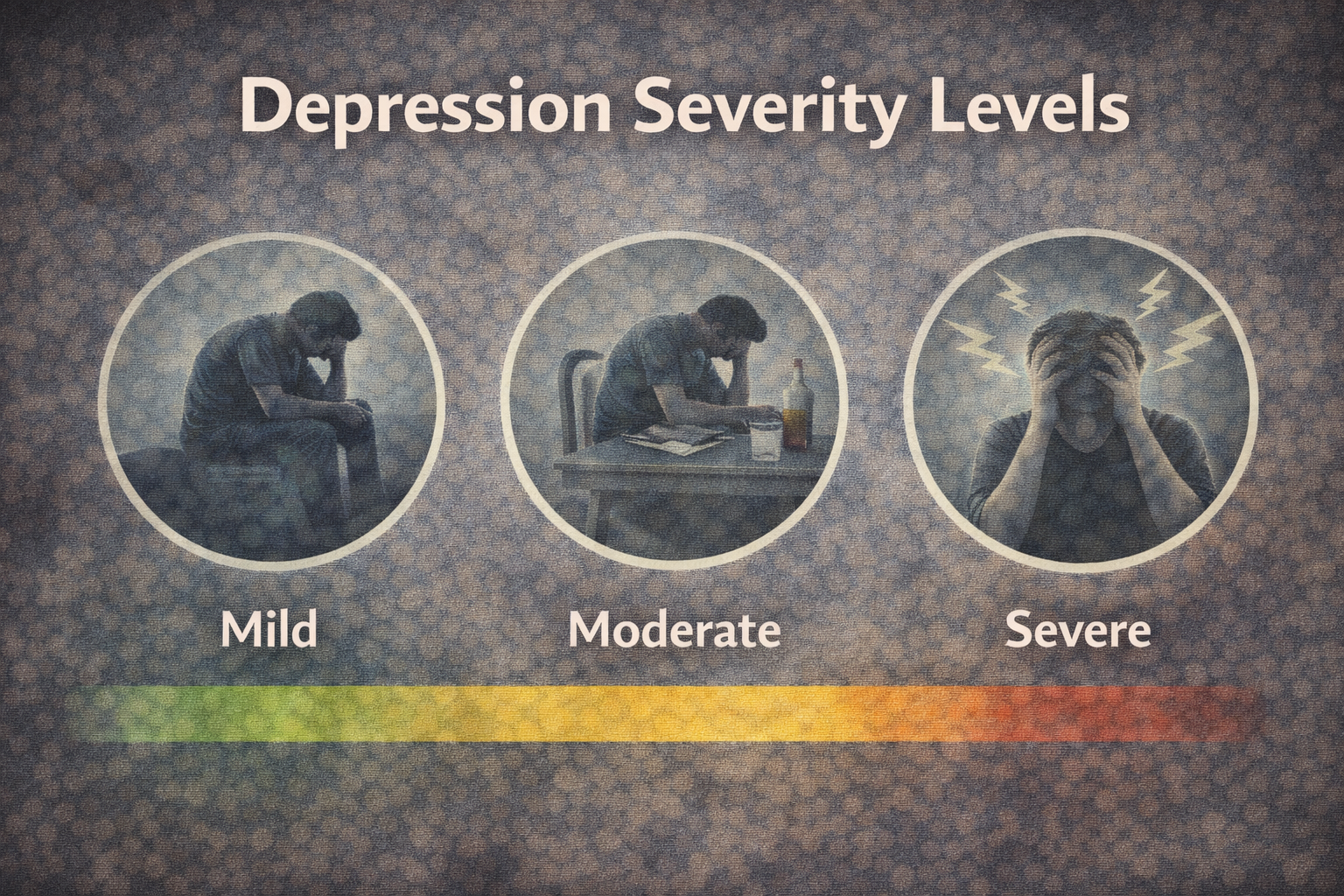
Depression severity levels refer to the intensity and impact of depressive symptoms, ranging from mild to severe. These levels help guide treatment decisions and predict outcomes. According to the DSM-5, severity is based on the number of symptoms, their duration, and how much they impair daily functioning. Understanding depression severity levels allows for targeted interventions, preventing escalation and improving recovery rates.
Symptoms of Mild Depression
Mild depression often flies under the radar because it doesn’t completely halt daily activities. You might experience low mood, mild irritability, reduced interest in hobbies, or subtle changes in sleep and appetite. These symptoms can persist for weeks or months but allow you to maintain work and social obligations, albeit with extra effort.
Based on the Patient Health Questionnaire-9 (PHQ-9), scores of 5-9 indicate mild depression. Research from the NIMH suggests mild cases are common, affecting a significant portion of U.S. adults—estimates from large surveys like NESARC-III show about 10-15% of lifetime major depressive disorder (MDD) cases fall into this category. Without attention, mild depression can progress, so early recognition is key.
For example, someone with mild depression might feel unmotivated at work but still meet deadlines. Lifestyle adjustments often help here, but monitoring is essential.
Signs of Moderate Depression
Moderate depression builds on mild symptoms but with greater intensity, making everyday tasks more challenging. Persistent sadness, fatigue, concentration difficulties, and feelings of worthlessness become more pronounced, noticeably affecting work, relationships, and self-care.
PHQ-9 scores of 10-14 signal moderate depression, where functional impairment is evident but not debilitating. CDC data from 2021-2023 indicates that moderate symptoms contribute to the overall 13.1% prevalence of depression in U.S. adults and adolescents, with higher rates in younger groups. This level often leads to a decline in confidence and increased isolation.
Consider a parent who struggles to engage with their children due to exhaustion—moderate depression can strain family dynamics if unaddressed.
Symptoms of Severe Clinical Depression
Severe depression involves intense, overwhelming symptoms that markedly disrupt life. Profound hopelessness, significant weight changes, sleep disturbances, and suicidal thoughts are common, often requiring immediate intervention. In extreme cases, psychotic features like delusions may appear.
PHQ-9 scores of 15-27 denote severe depression, representing about 5-6% of U.S. adults with major depressive episodes involving severe impairment, per NIMH statistics. This level demands urgent care, as it heightens risks like suicide.
A person with severe depression might be unable to work or care for themselves, emphasizing the need for professional support.
Throughout, depression severity levels influence how symptoms manifest and respond to treatment. Recognizing yours can lead to better outcomes.
Research Shows: A 2018 study in JAMA Psychiatry, based on NESARC-III data, found that among those with lifetime MDD, 49.5% were severe, 39.7% moderate, and 10.8% mild, highlighting the need for tailored approaches.
For related reading, see our guide on Signs of Mental Health Issues: Clinical Depression vs Sadness
Why Understanding Depression Severity Levels Matters
Grasping depression severity levels isn’t just academic—it’s a practical tool for reclaiming your life. It helps differentiate between passing blues and clinical needs, enabling timely interventions that can halt progression. Studies show early awareness reduces long-term complications, making this knowledge empowering for you and your loved ones.
Impact on Daily Life and Relationships
Mild depression severity levels might cause subtle productivity dips, like difficulty focusing during meetings. In contrast, severe levels can lead to isolation, job loss, or relationship breakdowns. NIMH reports that depression affects over 21 million U.S. adults annually, with severe cases often resulting in absenteeism or strained interactions.
For instance, moderate depression might make social gatherings exhausting, eroding connections over time.
Importance for Personalized Treatment Choices
Knowing your depression severity level guides treatment selection, from lifestyle tweaks for mild cases to combined therapy and medication for severe ones. This prevents undertreatment, as APA guidelines emphasize matching interventions to severity. Early recognition can reduce the risk of mild depression evolving into severe, potentially avoiding hospitalization.
Long-Term Health Implications
Untreated severe depression is linked to higher suicide risk and comorbidities like anxiety or heart disease. CDC data links chronic depression to increased healthcare costs and reduced lifespan. Addressing severity early promotes resilience and better overall health.
Expert Insight: As a clinical psychologist might note, “Understanding severity isn’t about labeling—it’s about unlocking the right support to thrive.”
How to Identify Depression Levels
Identifying depression levels starts with self-awareness but should involve professional input for accuracy. This process helps you gauge if symptoms are mild, moderate, or severe, informing next steps. Research suggests regular monitoring can catch escalations early, improving prognosis.
Self-Assessment Tips
Track your mood, sleep, energy, and appetite over two weeks using a journal. Note patterns like persistent sadness or loss of interest. Online tools like the PHQ-9 provide preliminary scores—5-9 for mild, 10-14 moderate, 15+ severe—but they’re not diagnostic.
Be honest; underreporting delays help.
Recognizing Warning Signs in Others
Look for withdrawal, irritability, appetite changes, or expressions of hopelessness in loved ones. They might neglect hygiene or avoid activities. Encourage gentle conversations, like “I’ve noticed you’ve seemed down—want to talk?”
When to Seek Professional Evaluation
If symptoms last beyond two weeks, interfere with life, or include suicidal thoughts, contact a doctor or hotline immediately. The 988 Suicide & Crisis Lifeline is available 24/7. Early evaluation prevents worsening.
Important: Self-assessments are helpful starting points but never replace a professional diagnosis. Always consult a healthcare provider for personalized advice
For related reading, see our guide on Signs of Mental Health Issues: How Depression Affects the Body
Depression Severity Scale Test
Depression severity scale tests like the PHQ-9 offer structured ways to quantify symptoms, aiding in tracking and treatment planning. These tools are validated for screening, not standalone diagnosis. Using them regularly can highlight changes in depression severity levels.
Overview of the PHQ-9 Tool
The PHQ-9 is a 9-item questionnaire rating symptoms from 0 (not at all) to 3 (nearly every day). Cutoffs are: 5-9 mild, 10-14 moderate, 15-19 moderately severe, 20-27 severe. It’s widely used in primary care for its reliability in monitoring progress.
Other Assessment Tools Like DSM-5 Criteria
Clinicians apply DSM-5 criteria, counting symptoms (at least five for two weeks) and assessing impairment. Mild involves 5-6 symptoms with minor impact; moderate 7-8 with noticeable effects; severe 9+ possibly with psychosis.
How to Take a Depression Severity Assessment
Answer questions honestly about the past two weeks. Score yourself, then discuss with a professional for interpretation. Free versions are online via NIMH resources.
Mild vs Moderate Depression
Comparing mild vs moderate depression highlights key differences in intensity and impact, helping you pinpoint your experience. While both share core symptoms, moderate involves greater disruption. Understanding this aids in choosing appropriate interventions.
Key Differences in Symptoms and Impact
Mild depression features subtle, manageable symptoms like occasional low mood, with minimal life disruption. Moderate amplifies these—frequent fatigue affects self-esteem and daily roles.
| Symptoms | Mild | Moderate |
| Mood | Occasional sadness | Persistent sadness |
| Interest Loss | Reduced, but engaged | Frequent disinterest |
| Impact | Minor productivity dip | Noticeable work/social strain |
Risks of Progression Without Intervention
Mild can escalate to moderate if ignored; studies show untreated cases worsen in 20-30% within months. Early lifestyle changes prevent this.
Case Examples
Sarah, with mild depression, felt unmotivated but functioned; therapy helped. John, moderate, struggled at work—medication and counseling restored balance.
Mild Depression Treatment Options
For mild depression, treatments focus on non-invasive approaches to build resilience. Evidence suggests these can resolve symptoms without meds in many cases. Always consult a doctor to rule out underlying issues.
Lifestyle and Self-Help Strategies
Regular exercise, a balanced diet, and sleep hygiene form the foundation. Watchful waiting, per NICE guidelines, monitors symptoms while implementing changes like 30 minutes of daily walking.
Therapy and Counseling Approaches
Cognitive-behavioral therapy (CBT) or interpersonal therapy effectively addresses thought patterns without medication for mild cases. Sessions teach coping skills.
When to Consider Medication
If symptoms persist, low-dose selective serotonin reuptake inhibitors (SSRIs) like fluoxetine may be added. APA recommends this cautiously.
Moderate Depression Coping Strategies
Moderate depression requires more structured support to manage amplified symptoms. Combining approaches often yields best results, as per meta-analyses showing 60-80% improvement rates.
Daily Routines and Support Systems
Build routines with small goals, like morning walks, and foster social connections. Support groups provide validation.
Combined Therapy and Medication
Antidepressants like SSRIs paired with psychotherapy are recommended by NICE. Meta-analyses confirm this efficacy.
Holistic Approaches
Mindfulness and yoga, backed by recent studies, reduce symptoms by 20-30%. Practice daily for benefits.
Pro Tip: Track small wins in a journal to combat the negativity bias common in moderate depression—it builds momentum gradually.
Levels of Depression Explained: Severe Cases
Severe depression demands intensive care to address debilitating symptoms. Levels of depression explained here focus on urgent strategies, emphasizing safety and recovery.
Intensive Treatment Options
Combined medication and therapy; electroconvulsive therapy (ECT) for treatment-resistant cases, per APA guidelines.
Hospitalization and Crisis Management
If suicidal, hospitalization ensures safety. Immediate help via 988 is crucial.
Long-Term Recovery Plans
Ongoing monitoring and relapse prevention through therapy maintain gains.
Scientific Evidence & Research
Research underscores the importance of matching treatments to depression severity levels. Studies provide a foundation for evidence-based care.
Clinical Studies
A 2023 meta-analysis in Psychological Medicine found no baseline severity moderation on psychotherapy vs. pharmacotherapy efficacy, but combined treatments were superior for severe cases, with response rates up to 70%.
Expert Opinions
APA and NICE guidelines recommend SSRIs as first-line pharmacotherapy and CBT for all levels, noting combined approaches for moderate to severe.
Statistical Data
From 2021-2023 CDC data, 13.1% of U.S. adults/adolescents had depression symptoms; higher in females (16%) vs. males (10%), emphasizing targeted interventions.
Common Mistakes to Avoid
Avoiding pitfalls in managing depression can accelerate recovery. Common errors stem from misconceptions, but better approaches exist.
Mistake #1: Ignoring Early Symptoms
This allows progression to severe levels. Track changes and seek help early instead.
Mistake #2: Social Isolation
It worsens the mood cycle. Maintain connections through scheduled outreach.
Mistake #3: Self-Medicating
Masks issues and risks addiction. Opt for professional guidance always.
Frequently Asked Questions (FAQs)
What is Severe Depression?
Severe depression involves most DSM-5 symptoms markedly interfering with life, like profound hopelessness and functional impairment. PHQ-9 scores of 20+ indicate the need for immediate treatment like medications and therapy. It affects about 5-6% of U.S. adults with severe impairment, per NIMH. If thoughts of harm arise, call 988 immediately. Consult a professional for tailored care.
How to Measure Depression Severity?
Use tools like the PHQ-9 to score symptoms over two weeks: mild 5-9, moderate 10-14, severe 15+. This provides a baseline for discussion. Validated in clinical settings, it’s free online but requires professional follow-up for accuracy. Regular reassessment tracks progress.
Depression Severity Assessment Tool Options?
Options include PHQ-9, Montgomery-Åsberg Depression Rating Scale (MADRS), or DSM-5 criteria. Free online versions exist, but always follow up with a clinician. These tools help quantify symptoms but aren’t substitutes for diagnosis.
Understanding Depression Severity Levels?
Levels range from mild (minimal impact) to severe (debilitating), based on symptom count, duration, and impairment per ICD-10/DSM-5. Mild might involve subtle changes; severe includes suicidal ideation. Knowing your level guides treatment—mild often responds to lifestyle, severe needs intensive care.
Depression Stages and Symptoms?
Depression has no formal stages but can progress from mild (irritability, low energy) to severe (hopelessness, suicidal thoughts). Monitor for worsening over weeks. Early intervention prevents escalation; consult a doctor if symptoms intensify.
How to Identify Depression Levels?
Observe persistent mood changes, use self-tests like PHQ-9, and seek evaluation if impacting life. Track patterns in sleep, appetite, and interest. Professional assessment confirms level and rules out other causes.
Moderate Depression Coping Strategies?
Combine therapy, medications like SSRIs, and exercise; build support networks for management. Evidence shows 60% improvement with this approach. Start small, like daily walks, and track progress. Speak with a provider for personalized plans.
Conclusion
Recognizing depression severity levels transforms how you approach mental health, enabling tailored treatments that enhance outcomes and restore quality of life. Whether dealing with mild symptoms through lifestyle tweaks or severe ones with intensive care, this knowledge empowers you to break the cycle of suffering. You’ve now gained insights into symptoms, tools, and strategies that research shows can lead to meaningful recovery—many people see 50-70% symptom reduction with appropriate interventions.
Take one clear next step: Assess your symptoms using a PHQ-9 tool today and discuss results with a healthcare professional. Recovery starts with that action.
Schedule a mental health check-up today—reach out to your doctor or use resources like the SAMHSA helpline at 1-800-662-4357. For ongoing support, sign up for our weekly mental health tips newsletter.
Remember, depression is treatable, and seeking help is a strength. With the right support, brighter days are ahead—you’re not alone in this journey.
Medical Disclaimer:
This article is for informational and educational purposes only and does not constitute medical advice. The information provided should not be used for diagnosing or treating a health problem or disease. Always consult with a qualified healthcare professional before making any changes to your mental health treatment, starting new medications, or trying new supplements.
If you’re experiencing a mental health crisis, please call the 988 Suicide & Crisis Lifeline or visit your nearest emergency room. For non-emergency support, contact the Substance Abuse and Mental Health Services Administration (SAMHSA) National Helpline at 1-800-662-4357.
The content in this article is based on current research and expert consensus as of 2026, but medical knowledge evolves. Always verify information with your healthcare provider.