Anxiety is a natural response to stress, but it can become overwhelming when it persists and interferes with daily life. Understanding when to seek help for anxiety is crucial, as untreated symptoms can escalate over time. This section explores the basics of anxiety, including its symptoms, types, and when it crosses into problematic territory.
Symptoms Indicating Need for Anxiety Treatment
Physical symptoms of anxiety often mimic other health issues, making them easy to dismiss. Common signs include a racing heart, shortness of breath, sweating, and trembling, which can occur even without an obvious trigger. These manifestations stem from the body’s fight-or-flight response, but when frequent, they signal the need for evaluation.
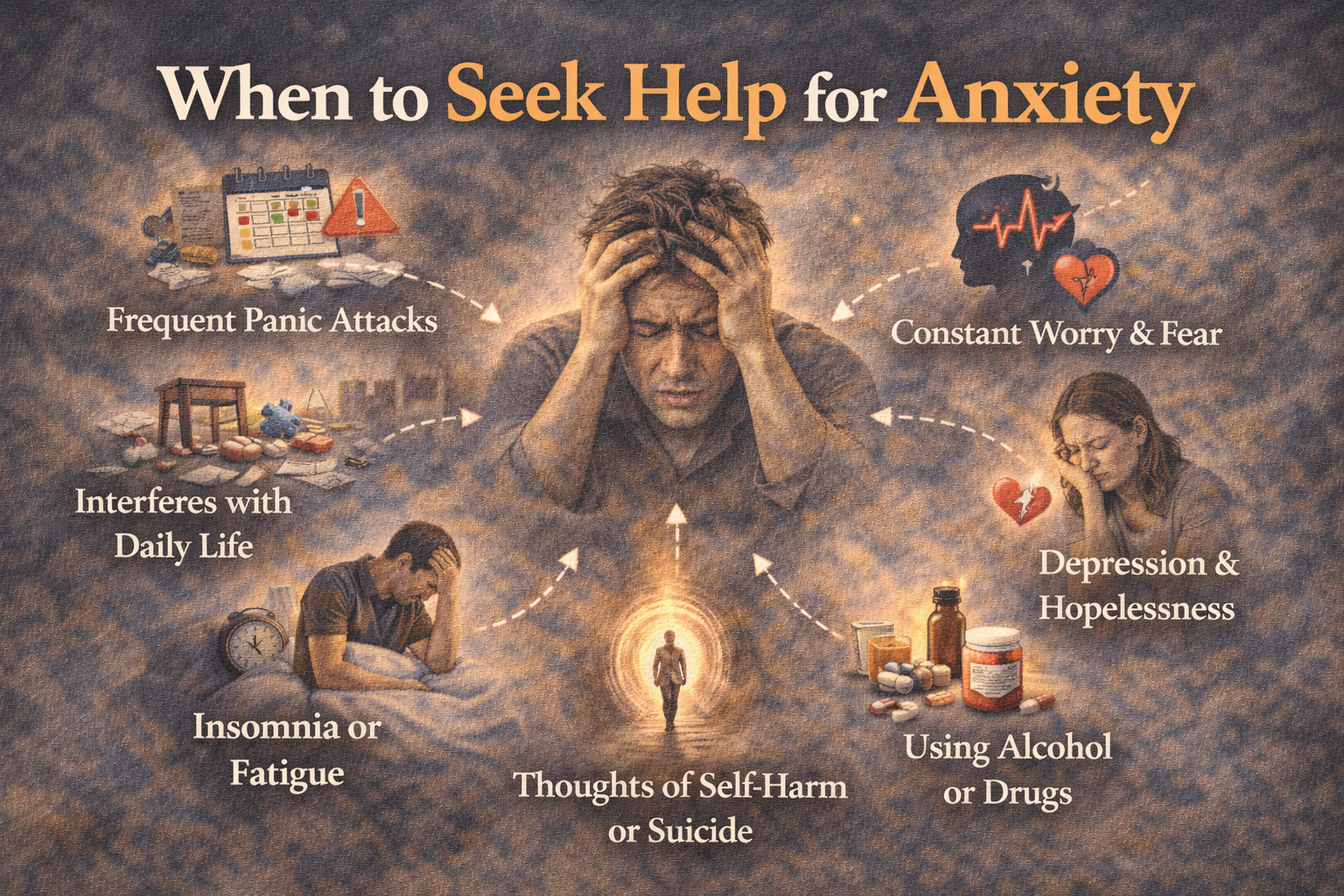
Emotionally, anxiety may present as persistent worry, a sense of impending doom, or heightened irritability. You might find yourself overthinking everyday decisions or feeling on edge constantly. Behaviorally, avoidance of social situations or restlessness can disrupt routines. Research suggests that if these symptoms last more than a few weeks, consulting a healthcare provider is advisable to rule out underlying conditions.
Important:
If physical symptoms like chest pain or dizziness mimic a heart attack, seek immediate medical attention to exclude serious health issues. Always consult a doctor before assuming it’s just anxiety.
Types of Anxiety Disorders
Generalized Anxiety Disorder (GAD) involves excessive, uncontrollable worry about various aspects of life, such as work or health, often without a specific cause. According to the National Institute of Mental Health (NIMH), about 2.7% of U.S. adults experience GAD annually.
Panic Disorder features sudden, intense fear episodes known as panic attacks, accompanied by physical symptoms like rapid heartbeat or nausea. These can feel life-threatening and lead to avoidance behaviors.
Social Anxiety Disorder affects interactions, causing intense fear of judgment in social settings. It impacts about 7.1% of adults, per NIMH data, and can hinder relationships and career growth.
When is Anxiety a Problem?
Anxiety becomes a problem when it persists for months and disrupts daily functioning, such as work performance or sleep. Differentiating normal stress—like pre-exam nerves—from chronic anxiety involves assessing intensity and duration. Normal stress resolves quickly, while overwhelming anxiety lingers and impairs quality of life.
If you’re questioning when to seek help for anxiety, consider if it’s affecting your relationships or health. Early recognition can prevent complications, as studies show untreated anxiety increases risks for other issues.
Research Shows:
A 2020 meta-analysis in JAMA Psychiatry found that untreated anxiety raises the risk of depression by up to 50%, highlighting the value of timely intervention.
For a broader foundation, see our guide on Signs of Mental Health Issues: Agoraphobia Understanding
Why It’s Important to Seek Help for Anxiety
Recognizing the need for support is a step toward reclaiming control. Delaying help can allow anxiety to deepen its hold, but addressing it promptly offers significant benefits. This section explains the impacts and why acting early matters.
Impact on Daily Life
Anxiety can interfere with work, relationships, and routine activities, leading to reduced productivity and social withdrawal. You might avoid meetings or gatherings, straining professional and personal bonds. Over time, this isolation can exacerbate feelings of loneliness.
Long-term Health Risks
Untreated anxiety heightens the risk of depression, heart issues, and sleep disorders. It may also lead to substance misuse as a coping mechanism. According to experts, chronic anxiety stresses the body, potentially contributing to hypertension or weakened immunity.
Benefits of Early Intervention
Early intervention improves quality of life through timely treatment, preventing symptom escalation. Research indicates better outcomes with prompt care, including reduced relapse rates. You gain tools to manage anxiety effectively, fostering resilience.
Expert Insight:
As noted by clinicians at the Mayo Clinic, “Early intervention can halt the progression of anxiety, allowing individuals to thrive rather than just cope.”
Signs You Need Anxiety Help
If anxiety feels unmanageable, it’s time to evaluate the signs. This list highlights key indicators that suggest professional support could make a difference in your well-being.
Physical Signs of Anxiety That Need Attention
Hyperventilation, dizziness, and muscle tension are common, often signaling heightened arousal. Frequent panic attacks with nausea or chest pain warrant attention, as they can mimic other conditions.
Emotional and Behavioral Indicators
Uncontrollable worry or rumination dominates thoughts, while avoidance behaviors and irritability strain interactions. These patterns can erode self-confidence over time.
Signs Anxiety is Out of Control
Inability to concentrate or sleep disrupts daily functioning, with escalating fear impacting decisions. If these persist, seeking help is essential.
Pro Tip:
Track your symptoms in a journal for a week. Note triggers and intensity—this simple step can clarify when anxiety crosses from manageable to needing intervention.
For a broader foundation, see our guide on Signs of Mental Health Issues: Complete Guide to Anxiety Disorders
How to Know if Anxiety is Serious
Determining severity involves assessing how deeply it affects you. Serious anxiety isn’t just occasional worry; it’s persistent and disruptive. Here’s how to recognize it.
How to Recognize Severe Anxiety Symptoms
Intensity matters: overwhelming fear or dread, coupled with physical escalation like persistent fatigue, indicates a deeper issue. These symptoms can feel all-consuming.
Duration and Frequency
Symptoms lasting over six months, or frequent episodes without clear triggers, suggest chronicity. Mayo Clinic guidelines recommend evaluation if anxiety endures this long.
Self-Assessment Tips
Track symptoms in a journal and evaluate interference in life areas like work or hobbies. If it hinders enjoyment, it’s time for professional input.
(Word count: approximately 220)
When to See a Doctor for Anxiety
Knowing when to see a doctor for anxiety can prevent unnecessary suffering. Follow these steps to prepare and understand the process.
Red Flags Requiring Immediate Help
Suicidal thoughts or severe panic demand urgent care—call 988 or visit an ER. Inability to function daily also signals the need for prompt intervention.
Preparing for Your Appointment
- List symptoms and triggers.
- Note medical history, including family mental health.
- Prepare questions about potential causes.
What to Expect from Diagnosis
Expect assessments via questionnaires and discussions. Your doctor may refer you to a mental health specialist for tailored care.
For more on preparing for doctor visits, see our guide to mental health consultations.
How to Tell if You Need Anxiety Medication
Medication isn’t always necessary, but it can be a valuable tool. Discuss options with your doctor to see if it fits your needs.
When Medication is Recommended
For moderate to severe cases unresponsive to therapy, medication helps stabilize symptoms. It’s often combined with lifestyle changes for best results.
Types of Anxiety Medications
SSRIs like sertraline offer long-term relief but may cause initial nausea (pros: effective, low addiction risk; cons: delayed onset). Benzodiazepines provide quick calm but risk dependency (pros: fast-acting; cons: sedation). Beta-blockers manage physical symptoms like tremors (pros: non-sedating; cons: not for all anxiety types).
Combining Medication with Therapy
Enhanced outcomes occur with CBT, as studies show combined approaches reduce symptoms by up to 70%.
When to Get Help for Anxiety Attacks
Anxiety attacks can be terrifying, but knowing when to seek help empowers you. Follow these steps for management.
Recognizing Anxiety Attacks
Sudden onset of intense symptoms, lasting 10-30 minutes, includes heart palpitations and fear.
Immediate Coping Strategies
- Practice deep breathing: Inhale for 4 counts, hold for 7, exhale for 8.
- Use grounding: Name five things you see, four you touch.
When Attacks Require Professional Help
Recurrent, unpredictable episodes signal the need for therapy or medication to prevent escalation.
Indicators to Seek Anxiety Therapy
Therapy builds long-term skills. If self-help isn’t enough, consider these indicators.
Benefits of Anxiety Therapy
It fosters skill-building for management, reducing reliance on avoidance.
Types of Therapy
CBT reframes thoughts effectively. Exposure therapy addresses phobias gradually.
Finding a Therapist
Use directories like Psychology Today or referrals. Check credentials and ensure a good fit.
Ready to start? Book a therapy session today for personalized guidance.
Scientific Evidence & Research
Evidence supports timely intervention. This section reviews key findings.
Clinical Studies
Studies show CBT as the gold standard, effective in 50-75% of cases per APA guidelines, reducing symptoms significantly.
Expert Opinions
Mayo Clinic recommends early intervention to prevent worsening, emphasizing combined approaches.
Statistical Data
19.1% of U.S. adults have anxiety annually; lifetime prevalence is 31.1%, with only about 43% receiving treatment (NIMH, ADAA).
For more, visit NIMH on anxiety disorders or ADAA facts.
Common Mistakes to Avoid
Avoid these pitfalls to better manage anxiety.
Mistake #1: Avoiding Triggers
Why it’s problematic: Reinforces fear cycle. Better approach: Gradual exposure with professional guidance.
Mistake #2: Believing Every Anxious Thought
Why it’s problematic: Amplifies anxiety. Better approach: Challenge thoughts via mindfulness.
Mistake #3: Delaying Professional Help
Why it’s problematic: Allows symptoms to worsen. Better approach: Seek early assessment.
Frequently Asked Questions (FAQs)
When Anxiety Requires Professional Help
Seek help if anxiety interferes with daily life, lasts over six months, or includes panic attacks. Therapy and medication can manage it effectively. Persistent worry, physical symptoms like rapid heartbeat, and avoidance behaviors signal the need for a doctor or therapist to prevent escalation. Consult a professional for personalized advice.
Reasons to Seek Help for Anxiety
Key reasons include impaired relationships, work performance, or health risks like insomnia. Early help improves outcomes. Untreated anxiety can lead to depression; statistics show 31.1% lifetime prevalence, with benefits from CBT per NIMH. Addressing it promptly enhances overall well-being.
When to Consult a Therapist for Anxiety
Consult if self-help fails or symptoms overwhelm. Therapists provide tools like CBT. Ideal for moderate cases; combine with lifestyle changes for best results, as per Mayo Clinic guidelines. This approach builds long-term resilience.
How to Know if Anxiety is Serious
It’s serious if uncontrollable, frequent, and disruptive. Monitor for severity like suicidal thoughts. Use self-assessment; if impacting function, seek evaluation promptly. Early recognition prevents complications.
Signs Anxiety is Out of Control
Signs include constant rumination, physical exhaustion, and isolation. Professional intervention is key. ADAA notes a 43% treatment gap; address early to avoid complications like co-occurring disorders.
When is Anxiety a Problem?
When it exceeds normal stress, persists, and affects life quality. Differentiate by duration and intensity. NIMH advises help if worries dominate daily thoughts, interfering with routines.
How to Recognize Severe Anxiety Symptoms
Look for intense fear, hyperventilation, and dissociation. Immediate help if suicidal. Mayo Clinic lists impending doom as a red flag; track patterns for accurate assessment.
Conclusion
Recognizing signs early leads to effective management, better relationships, and improved health through therapy and support. Knowing when to seek help for anxiety empowers proactive steps toward relief, transforming overwhelming worry into manageable moments.
Schedule a consultation with a mental health professional as your clear next action. Contact your doctor or use resources like the 988 Lifeline if in crisis.
For more strategies, explore our comprehensive guide to anxiety management or sign up for weekly mental health tips.
You’re not alone—help is available and recovery is possible. Taking this step shows strength, and brighter days await.
Medical Disclaimer:
This article is for informational purposes only and not a substitute for professional medical advice. Consult a healthcare provider for personalized guidance.
If you’re experiencing a mental health crisis, please call the 988 Suicide & Crisis Lifeline or visit your nearest emergency room. For non-emergency support, contact the Substance Abuse and Mental Health Services Administration (SAMHSA) National Helpline at 1-800-662-4357.
The content in this article is based on current research and expert consensus as of 2026, but medical knowledge evolves. Always verify information with your healthcare provider.