Imagine a sudden wave of intense fear striking without warning—your heart racing, shortness of breath, and a terrifying sense that you’re dying or losing control. This harrowing experience is a reality for millions, with 2.7% of U.S. adults facing panic disorder each year, according to the National Institute of Mental Health. If you’re among the 25-55-year-olds in the USA grappling with these unexpected attacks, know that you’re not alone, and effective help exists.
Panic disorder involves recurrent, unexpected panic attacks that can disrupt your daily life, leading to constant worry about when the next one might hit and avoidance of situations that could trigger them. This can strain work, relationships, and overall well-being, making simple tasks feel overwhelming. However, understanding this condition is the first step toward regaining control.
In this panic disorder overview, you’ll discover key insights into symptoms, causes, diagnosis, evidence-based treatments, daily management strategies, and more. We’ll draw from authoritative sources like the NIMH and Mayo Clinic to provide medically accurate information that empowers you to navigate mental health challenges. By the end, you’ll have practical tools to discuss with your healthcare provider for personalized support.
For a broader foundation, see our guide on Signs of Mental Health Issues: Complete Guide to Anxiety Disorders
What is Panic Disorder?
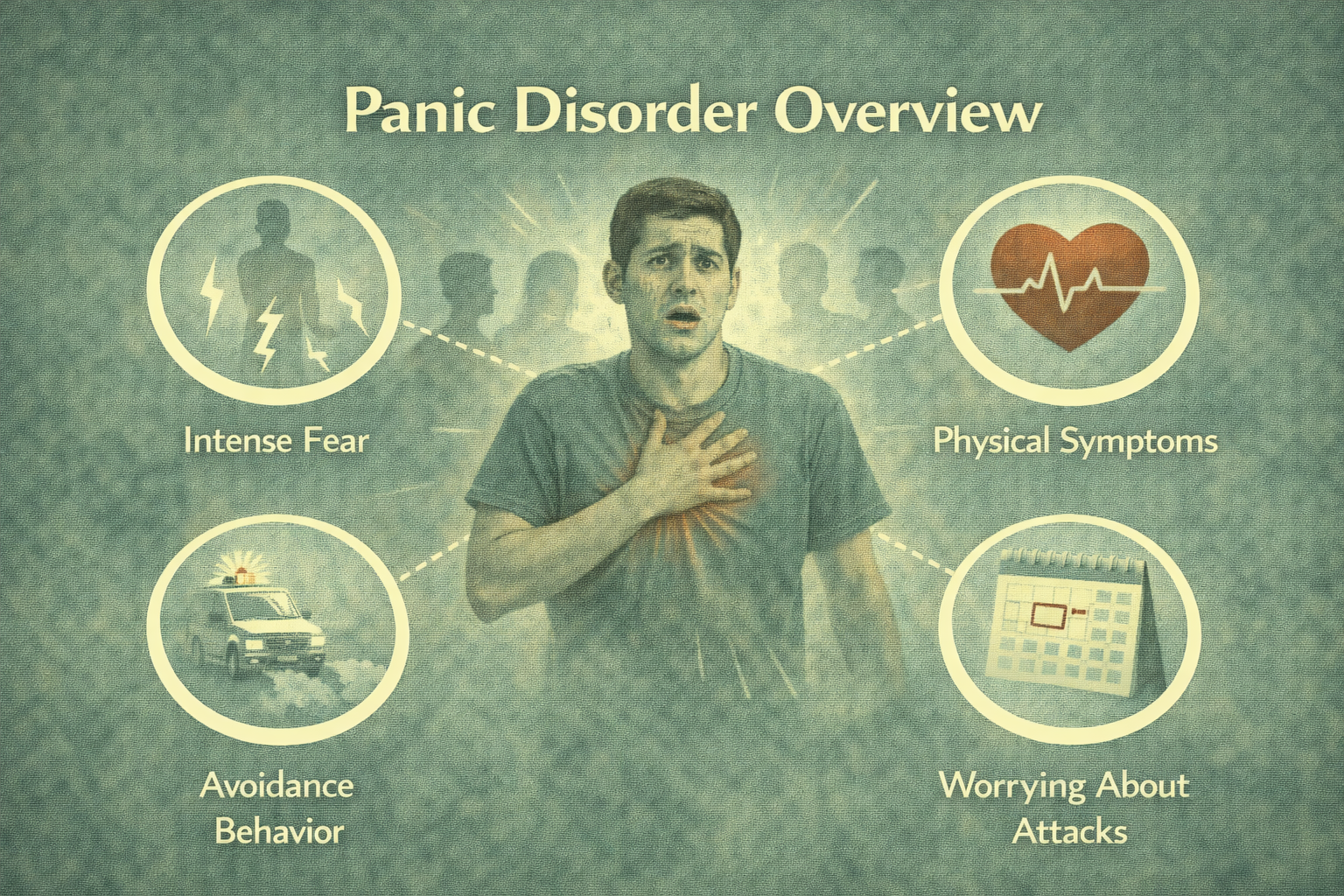
Panic disorder is a type of anxiety disorder characterized by recurrent, unexpected panic attacks—sudden surges of intense fear or discomfort that peak within minutes. These attacks can feel life-threatening, but they’re not dangerous, though they significantly impact quality of life. This panic disorder overview aims to clarify what sets it apart from everyday stress.
Symptoms of Panic Disorder
Symptoms of panic disorder often include physical sensations like a pounding heart, sweating, trembling, or shortness of breath. You might also experience chest pain, nausea, dizziness, or chills/hot flashes. Cognitive symptoms, such as fear of dying, losing control, or going crazy, add to the distress.
These symptoms arise abruptly and can mimic serious medical issues, like a heart attack, prompting many to seek emergency care. Research suggests that recognizing these as panic-related can reduce unnecessary worry. However, if symptoms persist, consulting a doctor is crucial to rule out other conditions.
Signs of Panic Disorder
Signs of panic disorder go beyond isolated attacks; they include recurrent episodes followed by at least a month of persistent concern about future attacks or significant behavioral changes, like avoiding places where attacks occurred. You might start dodging crowds, driving, or even leaving home, leading to isolation.
Unlike occasional panic from stress, panic disorder involves unexpected attacks without clear triggers. This unpredictability heightens anxiety, creating a cycle of fear. Early recognition of these signs can lead to timely intervention, improving outcomes.
Panic Disorder vs Anxiety
Panic disorder involves specific, intense attacks, whereas generalized anxiety features ongoing worry without the sudden peaks. There’s overlap—both can cause physical symptoms—but panic disorder’s diagnostic criteria require recurrent attacks and fear of more.
The impact on daily functioning differs; panic disorder often leads to avoidance behaviors, while milder anxiety might not. Understanding this distinction helps in seeking appropriate treatment. For instance, someone with panic might benefit from targeted therapies, unlike broad anxiety management.
Pro Tip:
Track your attacks in a journal noting time, location, and preceding thoughts. This can reveal subtle patterns, making management easier before symptoms escalate.
Why Does Panic Disorder Matter?
Panic disorder isn’t just fleeting fear; it profoundly affects your life, underscoring why awareness and treatment are vital. Left unmanaged, it can escalate, but with knowledge, you can mitigate its hold. This section explores its effects, prevalence, and daily realities.
Effects of Panic Disorder
The effects of panic disorder include interference with work, relationships, and overall quality of life. Constant anticipation of attacks can lead to exhaustion, concentration issues, and social withdrawal. Additionally, it raises risks for depression or substance misuse as coping mechanisms.
Physical health suffers too, with chronic stress contributing to fatigue, headaches, or cardiovascular strain. Research shows untreated cases may worsen over time, emphasizing early action.
Prevalence and Impact in the USA
In the USA, panic disorder affects 2.7% of adults annually, with women at 3.8% compared to 1.6% for men—women are twice as likely. Lifetime prevalence stands at 4.7%, often starting around age 24.
This translates to economic burdens like missed workdays and healthcare costs, totaling billions yearly. Higher rates in women may link to hormonal factors, but impacts span all demographics.
For more on how mental health affects society, see our article on mental health impacts.
Living with Panic Disorder
Living with panic disorder means navigating daily challenges, from unpredictable attacks to emotional tolls like shame or frustration. Many adapt by limiting activities, but this can diminish joy and independence.
However, early intervention fosters better outcomes, allowing fulfilling lives. Support networks and strategies help reclaim normalcy, turning a challenging condition into a manageable one.
Research Shows:
A study from the Mayo Clinic notes that untreated panic disorder can lead to complications like agoraphobia in up to 50% of cases, highlighting the importance of prompt care.
For a broader foundation, see our guide on Signs of Mental Health Issues: Generalized Anxiety Disorder (GAD)
What Causes Panic Disorder?
The causes of panic disorder are multifaceted, involving a blend of genetic, biological, and environmental factors. No single element is responsible, but understanding them aids in prevention and treatment. Let’s break it down.
Causes of Panic Disorder
Genetic predisposition plays a role, with family history increasing risk— if a close relative has it, your chances rise. Brain chemistry imbalances, particularly in fear-regulating areas like the amygdala, contribute to heightened responses.
Temperamental factors, such as high sensitivity to anxiety, can predispose individuals. Studies suggest these biological underpinnings make some more vulnerable.
What Triggers Panic Disorder
Triggers often include environmental stressors like trauma, abuse, or significant life changes, such as job loss or divorce. Lifestyle factors, including excessive caffeine, smoking, or poor sleep, can exacerbate vulnerability.
Major transitions, like moving or parenthood, may onset symptoms in susceptible people. Recognizing triggers helps in proactive management.
Risk Factors and Contributors
Risk factors combine biological and psychological elements, with no sole cause but interactions amplifying effects. For example, childhood adversity paired with genetics heightens likelihood.
Women face higher risks, possibly due to hormonal fluctuations. Addressing modifiable factors, like stress reduction, can lower odds.
For deeper insights, explore our article on anxiety causes.
Expert Insight:
As noted by mental health professionals, “Panic disorder often stems from a misfiring fight-or-flight response, but with therapy, you can retrain your brain’s reactions.”
How is Panic Disorder Diagnosed?
Diagnosing panic disorder involves a thorough evaluation to distinguish it from other conditions. It’s not just about symptoms but their pattern and impact. This step-by-step process ensures accurate identification.
Panic Disorder Diagnosis Criteria
Diagnosis requires recurrent unexpected attacks with at least four symptoms, like rapid heartbeat or fear of dying. Followed by a month of persistent concern or behavioral changes. Exclusion of substances or medical causes is essential.
Using DSM-5 guidelines, clinicians assess frequency and severity. This criteria help differentiate from transient stress.
Medical Evaluation Process
The process starts with a physical exam to rule out heart issues, thyroid problems, or other ailments mimicking symptoms. Then, a mental health assessment reviews history, fears, and attack details.
Self-reported questionnaires aid in capturing patterns. Collaboration between primary care and mental health experts is common.
Differential Diagnosis
Differentiating from other anxiety disorders, like phobias or PTSD, is key—panic is unexpected, unlike triggered fears. Co-occurring conditions, such as agoraphobia, are noted if avoidance develops.
Important:
If chest pain or shortness of breath occurs, seek immediate medical attention to exclude heart conditions, even if panic is suspected. Always consult a professional.
What are the Treatment Options for Panic Disorder?
Treatment for panic disorder is highly effective, often combining therapy and medication for optimal results. Options vary by severity, but evidence supports starting with non-drug approaches. Here’s a comparison.
Treatment for Panic Disorder
Cognitive Behavioral Therapy (CBT) is first-line, with high efficacy—studies show effect sizes around 0.67 compared to usual care. It focuses on challenging fear thoughts and gradual exposure.
Exposure therapy confronts avoided situations safely, reducing fear over time. For severe cases, combining with medication enhances outcomes.
Panic Disorder Medication Options
SSRIs like paroxetine or fluoxetine manage long-term by balancing brain chemicals, taking weeks to effect. Benzodiazepines, such as alprazolam, offer quick relief but risk dependency, so short-term use.
SNRIs like venlafaxine provide alternatives with proven efficacy. Always monitor side effects with your doctor.
Alternative and Combined Approaches
Combining psychotherapy and meds yields better remission rates, up to 63% in studies. Alternatives include mindfulness-based therapies.
Tapering meds under guidance prevents withdrawal. Many find success with apps like Calm for supplemental support, offering guided exposures and tracking.
How to Manage Panic Disorder Daily
Daily management of panic disorder empowers you to reduce attack frequency and intensity. Simple, evidence-based steps can make a difference. Focus on building routines that promote calm.
How to Manage Panic Disorder
During attacks, use breathing exercises like 4-7-8 technique: inhale for 4, hold 7, exhale 8. Grounding—naming five things you see—anchors you.
Regular exercise, aiming for 30 minutes daily, and sleep hygiene (consistent bedtime) build resilience. Journal triggers to anticipate and prepare.
Natural Remedies Panic Disorder
Mindfulness meditation and yoga calm the nervous system; apps guide beginners. Reduce caffeine and alcohol, as they can trigger symptoms.
Herbal supplements like chamomile tea may soothe, but consult your doctor first to avoid interactions.
Coping with Panic Disorder
Build a support network—share with trusted friends or family for emotional backup. Stress reduction via progressive muscle relaxation: tense and release groups sequentially.
These strategies complement professional care, enhancing control.
See our guide to daily mental health routines for more tips.
Best Practices and Expert Tips
Best practices for panic disorder involve proactive habits and expert-backed advice. Implementing these can prevent escalation and foster long-term wellness.
Understanding Panic Disorder Symptoms in Depth
Dive deeper by recognizing early signs, like subtle heart rate increases, for proactive intervention. Track patterns with apps to predict and diffuse triggers.
This awareness shifts from reaction to prevention, empowering daily life.
Panic Disorder Support Groups
Support groups offer peer insights and reduce isolation; organizations like the Anxiety and Depression Association of America (ADAA) provide online/in-person options.
Sharing experiences normalizes struggles and uncovers new coping ideas.
Expert Tips for Prevention
Avoid stimulants like caffeine or alcohol, which amplify symptoms. Schedule regular therapy check-ins, even when feeling better, to maintain progress.
Build resilience through positive habits, like gratitude journaling, for mental fortitude.
Ready to connect? Join a support group or schedule a consultation today.
Pro Tip:
Incorporate “safety behaviors” sparingly—carrying water for dry mouth might help initially, but gradually phase them out to build true confidence.
Scientific Evidence & Research
Scientific evidence underscores panic disorder’s treatability, with robust studies guiding recommendations. This section highlights key findings.
Clinical Studies
The Bergen 4-Day Treatment, a concentrated CBT, achieved 90% remission at 18-month follow-up in panic patients. Meta-analyses confirm CBT’s superiority long-term over meds alone, with effect sizes up to 0.88 for exposure combos.
These intensive formats show rapid, lasting relief.
Expert Opinions
NIMH experts endorse CBT and SSRIs/SNRIs as first-line, emphasizing evidence-based choices. The American Psychological Association (APA) highlights inhibitory learning in therapy for fear extinction.
Consensus favors personalized, combined approaches.
Statistical Data
Annual prevalence is 2.7%, with 44.8% severe; women are twice as likely, onset averaging 24. Untreated, it co-occurs with depression in 50-65% of cases.
For more, visit NIMH’s panic disorder page, Mayo Clinic symptoms, or JAMA CBT study.
Common Mistakes to Avoid
Avoiding common pitfalls can accelerate recovery from panic disorder. Awareness prevents reinforcing cycles.
Mistake #1: Too Much Worrying and Symptom Monitoring
Constantly scanning for symptoms fuels the anxiety cycle, increasing attack likelihood. It shifts focus from life to fear.
Instead, practice detached mindfulness—observe thoughts without engagement, redirecting to present activities.
Mistake #2: Trying to Control or Fight Symptoms
Resisting sensations intensifies them, prolonging attacks. Suppression backfires.
Better: Accept and ride them out with breathing techniques, knowing they’ll pass naturally.
Mistake #3: Avoiding Triggers or Situations
Dodging feared places reinforces fear, shrinking your world.
Approach gradually with professional-guided exposure to rebuild confidence and expand life.
Research Shows:
A meta-analysis in the British Journal of Psychiatry found avoidance behaviors reduce CBT efficacy, stressing exposure’s role.
Frequently Asked Questions (FAQs)
What are the symptoms of panic disorder?
Panic disorder symptoms include sudden attacks with heart palpitations, sweating, trembling, shortness of breath, and fear of dying. These recur unexpectedly, causing ongoing worry. Additional details: Attacks last minutes but leave lingering fatigue; cognitive fears like losing control are common. Consult a professional if interfering with life.
What causes panic disorder?
Causes involve genetics, brain chemistry, and environmental factors like stress or trauma. No single trigger, but family history increases risk. More context: Brain changes in the amygdala heighten fear responses; lifestyle like caffeine can contribute. Speak with a healthcare provider for personalized assessment.
How is panic disorder treated?
Treatment includes CBT for long-term efficacy and medications like SSRIs. Combination approaches yield up to 63% response rates in studies. Details: CBT teaches coping; meds balance chemicals. Alternatives like exposure therapy help. Always discuss options with your doctor.
What is the difference between a panic attack and panic disorder?
A panic attack is a single intense fear episode; panic disorder involves recurrent attacks with persistent fear of more. Further: Attacks are episodic, disorder chronic with avoidance. Early help prevents progression.
Can panic disorder be cured?
While not always “cured,” it’s highly manageable with therapy and lifestyle changes, leading to remission in 90% of intensive CBT cases. Explanation: Many achieve symptom-free lives; ongoing strategies maintain gains. Professional guidance is key.
When should I seek help for panic disorder?
Seek help if attacks interfere with daily life or cause avoidance behaviors. Early intervention improves outcomes significantly. More: If co-occurring with depression or substance issues, act promptly. Resources like 988 lifeline for crises.
Are there natural remedies for panic disorder?
Natural remedies include mindfulness, exercise, and reducing caffeine, but combine with professional treatment for best results. Details: Yoga and herbal teas may soothe; evidence supports as adjuncts, not replacements. Consult before starting.
Conclusion
Understanding panic disorder empowers early recognition, effective treatments like CBT, and daily management to reclaim life from fear. This panic disorder overview equips you with tools for symptoms, causes, and strategies, potentially reducing attacks and boosting well-being. Many transform their experiences into strengths through informed action.
Take a clear next step: Consult a mental health professional for personalized diagnosis and treatment. Schedule an appointment today or explore support groups via ADAA.
With proper care, many thrive beyond panic disorder—help is available, and you’re capable of positive change.
Medical Disclaimer:
This article is for informational purposes only and is not a substitute for professional medical advice, diagnosis, or treatment. Always seek the advice of your physician or qualified health provider.