Imagine watching a loved one slowly withdraw from daily life, their usual spark dimmed by an invisible weight, leaving you feeling utterly helpless. According to the National Institute of Mental Health, an estimated 21.0 million adults in the United States had at least one major depressive episode in 2021, impacting not just individuals but entire families across the country. This widespread condition ripples through households, creating emotional strain and uncertainty for everyone involved.
Families often grapple with recognizing the subtle signs of depression, offering meaningful support without overstepping, and preventing their own burnout in the process. You might wonder if your efforts are helping or if you’re missing key strategies to make a real difference. It’s common to feel overwhelmed, but you’re not alone in this challenge.
This article offers practical, evidence-based guidance on depression support for families, covering everything from spotting symptoms to accessing resources and building resilience. You’ll learn actionable steps to foster recovery, strengthen family bonds, and protect your own well-being. Backed by insights from reputable organizations like the National Alliance on Mental Illness (NAMI) and the Substance Abuse and Mental Health Services Administration (SAMHSA), these strategies draw from expert-recommended approaches to empower you in supporting your loved one effectively.
What is Depression Support for Families?
Depression support for families involves a collaborative approach where relatives provide emotional, practical, and informational assistance to help a loved one navigate this challenging mental health condition. It’s about creating a nurturing environment that encourages recovery while maintaining healthy boundaries for everyone involved. Understanding this support is crucial because depression doesn’t affect just one person—it influences the entire family dynamic, often leading to increased stress and potential misunderstandings.
Understanding Depression and Its Impact on Families
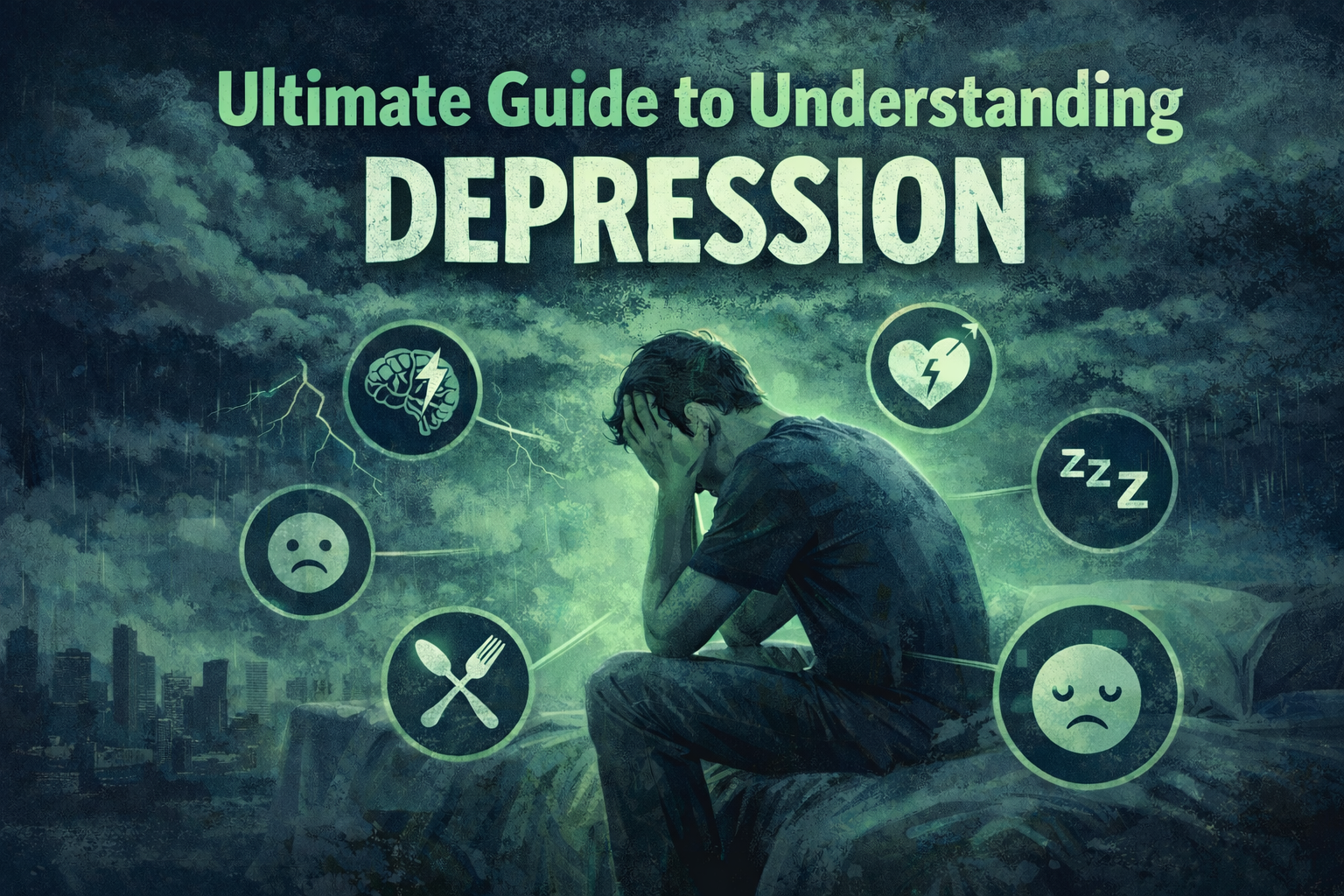
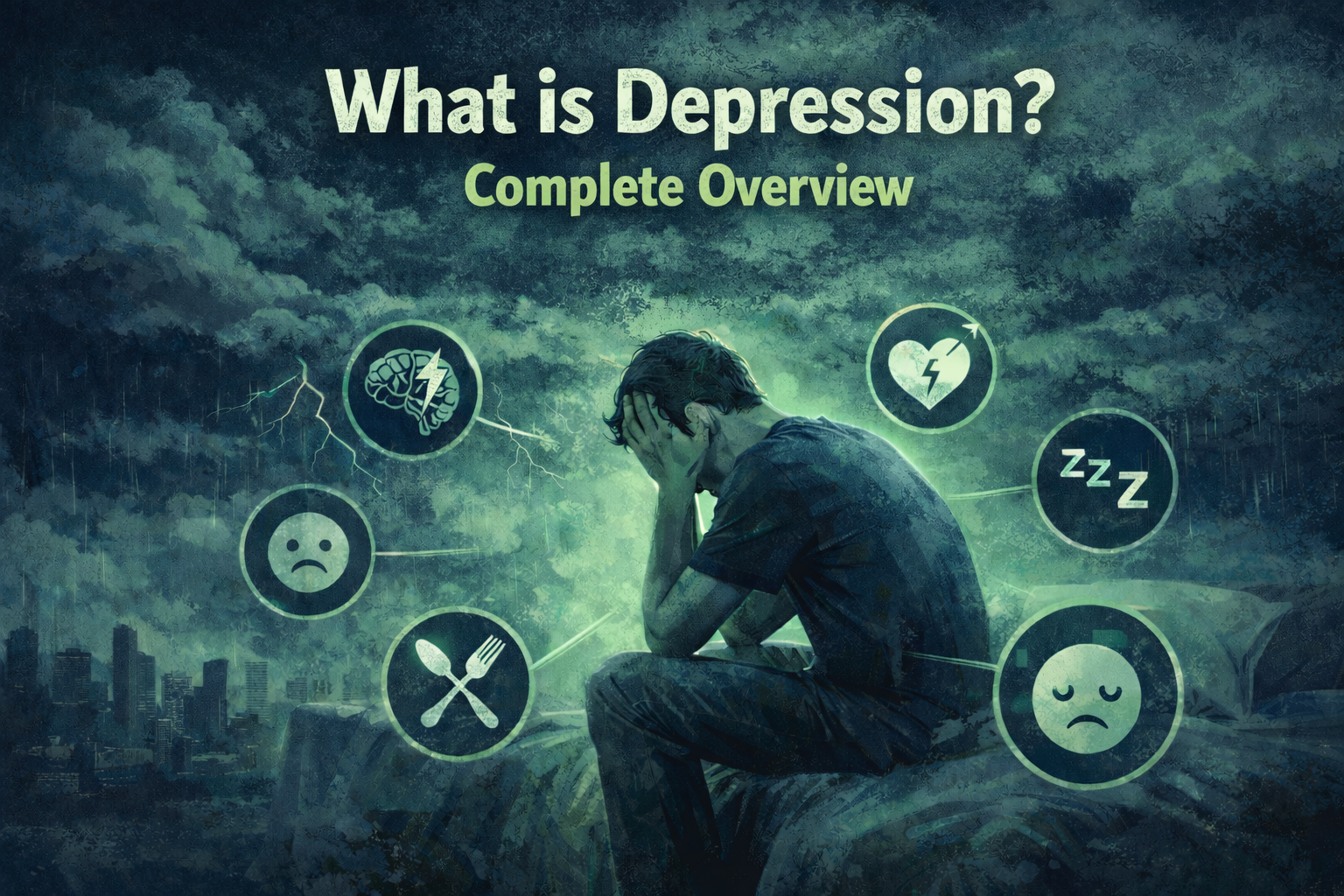
Depression is a serious mood disorder that affects how a person feels, thinks, and handles daily activities. Symptoms can include persistent sadness, loss of interest in hobbies, and changes in sleep or appetite patterns. When one family member experiences depression, it can create ripple effects, such as heightened tension during interactions or shifts in household responsibilities.
This strain may lead to relational conflicts or feelings of helplessness among other family members. Research indicates that about 8.3% of U.S. adults experience a major depressive episode annually, frequently involving family caregivers who provide essential support. Recognizing these impacts early can help families address them proactively.
Key Elements of Family Support in Depression
Effective family support includes offering emotional empathy, like active listening without judgment, and practical help, such as assisting with daily tasks or appointment scheduling. Informational support might involve sharing reliable resources about depression management.
These elements play a vital role in encouraging treatment adherence and reducing the sense of isolation often felt by those with depression. By fostering open communication, families can help their loved one feel understood and less alone in their journey.
Differences Between Informal and Professional Support
Informal support comes from day-to-day interactions, like providing encouragement during tough moments or simply being present. This type builds on existing relationships and offers immediate comfort.
Professional support, however, involves structured interventions such as therapy sessions or support groups led by trained experts. While informal efforts are invaluable, combining them with professional guidance often yields the best outcomes for long-term recovery in depression support for families.
Research Shows:
A study published in the Journal of Clinical Psychology found that family involvement in depression care can reduce symptoms by up to 40% in some cases, highlighting the power of combined support efforts.
For related reading, see our guide on Signs of Mental Health Issues: Signs and Symptoms of Depression
Why Depression Support Matters for Families
Providing depression support for families isn’t just about helping the individual with depression—it’s essential for the overall health and harmony of the household. Strong family involvement can accelerate recovery and prevent the condition from worsening, while also safeguarding the well-being of caregivers. This section explores the multifaceted benefits, showing how support creates positive outcomes for everyone.
Benefits for the Depressed Individual
Family support can lead to faster symptom relief and improved treatment adherence. When loved ones offer encouragement, individuals with depression often feel more motivated to engage in therapy or medication routines.
Studies show that supportive family environments act as a buffer against life stressors, potentially reducing depressive episodes. This involvement can also lower the risk of relapse, fostering a sense of security that aids long-term recovery.
Impact on Family Well-Being
Active support helps prevent caregiver burnout, which affects 40-70% of those caring for depressed relatives, often leading to their own depressive symptoms. By sharing responsibilities and seeking mutual understanding, families can build resilience and closer bonds.
This approach reduces overall household stress, creating a more positive atmosphere where everyone thrives.
Long-Term Societal Advantages
On a broader scale, effective family support for depression can decrease healthcare utilization and associated costs. Healthier families contribute to stronger communities through improved productivity and reduced mental health stigma.
Ultimately, empowering families leads to better mental health outcomes nationwide, as supported by data from organizations like the CDC.
Expert Insight:
As a clinical psychologist might note, “Family support isn’t about fixing the problem—it’s about walking alongside your loved one, which can transform recovery from an isolated struggle into a shared journey toward healing.”
For related reading, see our guide on Signs of Mental Health Issues: Ultimate Guide to Understanding Depression
How to Recognize Depression in a Family Member
Spotting depression early can make a significant difference in getting timely help. If you’re noticing changes in your loved one’s behavior or mood, understanding the signs is the first step in providing effective depression support for families. This knowledge empowers you to act compassionately and appropriately.
Common Signs and Symptoms
Look for persistent sadness that lasts most of the day, nearly every day, or a noticeable loss of interest in activities they once enjoyed. Changes in appetite—either eating too little or too much—can lead to unintended weight fluctuations.
Sleep disturbances, such as insomnia or oversleeping, are also common indicators. These symptoms might appear gradually, making them easy to overlook at first.
Withdrawal from family gatherings or social events often accompanies these changes, as the person may feel overwhelmed by interactions.
Behavioral Changes to Watch For
Increased irritability or frustration over minor issues can signal underlying depression. Fatigue that persists despite rest, or difficulty concentrating on tasks, are red flags.
Suicidal thoughts or expressions of hopelessness require immediate attention—these are urgent signs not to ignore. Gender differences may play a role; women are more likely to experience depression, potentially showing more emotional symptoms.
When to Seek Immediate Help
If symptoms persist for more than two weeks and interfere with daily life, professional intervention is crucial. Any mention of self-harm or suicide demands urgent action—contact the 988 Suicide & Crisis Lifeline right away.
Early help can prevent escalation, so encourage your loved one to consult a healthcare provider promptly.
For related reading, see our guide on Signs of Mental Health Issues: Depression Books and Resources
How Families Can Help with Depression
Families play a pivotal role in recovery by offering consistent, informed support. Learning how families can help with depression involves practical steps that build trust and encourage progress. Start small, and remember that your involvement can significantly influence outcomes.
Practical Ways to Provide Emotional Support
Begin by listening actively without interrupting or offering unsolicited advice. Validate their feelings with phrases like, “That sounds really tough—I’m here for you.”
Encourage small healthy habits, such as short walks or balanced meals, which can boost mood over time. Your empathy helps reduce their sense of isolation.
Encouraging Professional Treatment
Gently suggest seeking help from a therapist or doctor, perhaps by offering to research options together. Accompany them to appointments if they’re comfortable, providing reassurance along the way.
Remind them about medication or therapy homework kindly, framing it as a team effort for their well-being.
Building a Supportive Home Environment
Promote open dialogues about feelings without judgment, and establish routines that include family time. Set boundaries to prevent codependency, ensuring caregivers maintain their own health.
This balanced approach fosters a safe space where recovery can thrive.
Pro Tip:
Schedule regular “check-in” times with your loved one, not just during crises, to normalize conversations about mental health and catch issues early.
Family Support Groups for Depression
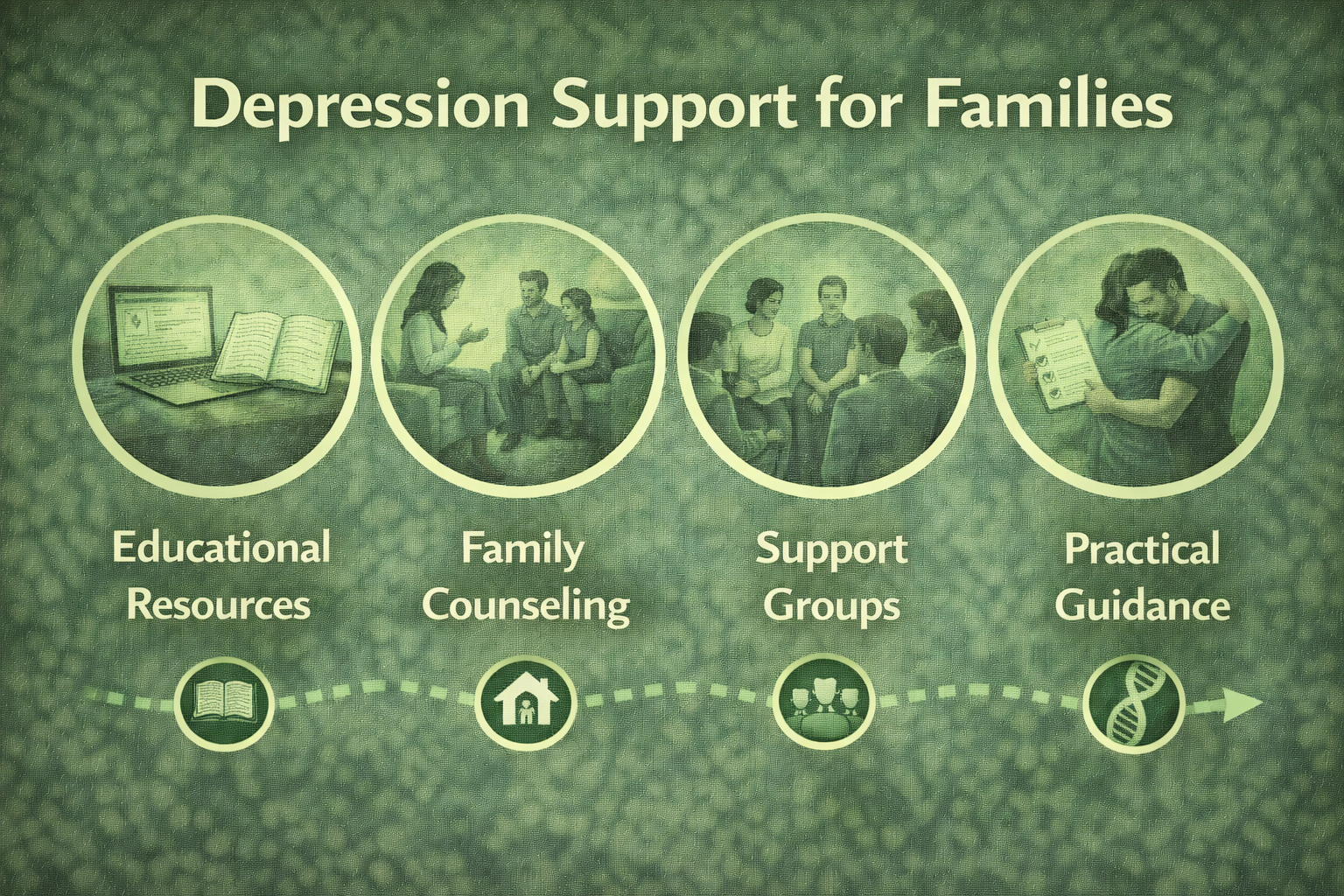
Joining a support group can provide invaluable connections for families navigating depression. These groups offer shared experiences and practical advice, making the journey less isolating. Exploring options is a key step in enhancing depression support for families.
Benefits of Joining Support Groups
Participants often report reduced isolation through hearing similar stories, which normalizes their experiences. Groups provide coping strategies tailored to family dynamics, helping members manage stress more effectively.
This peer support can lead to improved emotional resilience for both caregivers and their loved ones.
Top USA-Based Groups
NAMI Family Support Groups offer free, peer-led sessions focused on education and empathy for families dealing with mental health conditions. DBSA provides specialized support for depression and bipolar disorder, with online and in-person options available nationwide.
These organizations emphasize confidentiality and mutual respect.
How to Find Local Groups
Use NAMI’s online locator tool or SAMHSA’s helpline to identify nearby meetings. Many groups now offer virtual sessions, making participation easier regardless of location.
Start by attending one session to see if it fits your needs.
We recommend exploring NAMI membership for additional resources and community access.
Resources for Families of Depressed People
Accessing reliable resources is essential for informed support. From helplines to educational tools, these options equip families with knowledge and assistance. Building a toolkit can transform how you approach depression support for families.
National Helplines and Websites
The SAMHSA Helpline at 1-800-662-HELP connects you to local treatment and support services 24/7. For immediate crises, the 988 Suicide & Crisis Lifeline provides confidential help anytime.
Educational Materials and Tools
Families for Depression Awareness hosts free webinars on understanding and supporting depression. Websites like NAMI.org provide articles, videos, and toolkits for caregivers.
These resources help demystify depression and offer practical tips.
Financial and Legal Support Options
Look into programs like Medicaid for treatment coverage or nonprofit grants for therapy costs. SAMHSA’s locator can help find low-cost options in your area.
Understanding these aids ensures access to care without added financial stress.
Coping with Family Member’s Depression
Caring for someone with depression requires strategies to maintain your own health. Learning effective coping methods prevents exhaustion and sustains your ability to provide support. This balance is vital for long-term family well-being.
Self-Care Strategies for Caregivers
Prioritize your hobbies and social connections to recharge emotionally. Regular exercise or mindfulness practices can help manage your stress levels.
Seeking your own therapy ensures you have a space to process feelings.
Managing Family Stress and Dynamics
Set realistic expectations for recovery, acknowledging that progress takes time. Involve all family members in discussions to share the load evenly.
Dealing with Caregiver Burnout
Watch for signs like constant fatigue or irritability, which signal burnout. Take scheduled breaks and delegate tasks when possible.
Remember, caring for yourself enables better support for your loved one.
Important:
If burnout leads to your own depressive symptoms, seek professional help immediately—caregiver depression affects up to 20% of those in your role, and early intervention is key.
Family Therapy for Depression Support
Family therapy addresses depression within the context of relationships, offering tools to improve interactions. This professional approach can enhance depression support for families by resolving underlying conflicts. Consider it as a valuable addition to individual treatment.
What is Family Therapy?
Family therapy involves sessions with a licensed therapist focusing on communication patterns and family roles. It views depression as interconnected with family dynamics rather than isolated.
Sessions typically last 50-60 minutes and occur weekly.
Effectiveness in Treating Depression
Research suggests family therapy can reduce depressive symptoms and improve overall functioning. It’s particularly helpful when family tensions contribute to the condition.
Many participants report stronger bonds and better coping skills post-therapy.
How to Access Therapy in the USA
Contact providers through the American Association for Marriage and Family Therapy (AAMFT) directory. Many insurance plans cover sessions; check your policy for details.
Online platforms like BetterHelp offer convenient, affordable options for family-focused counseling.
A popular choice is BetterHelp, which connects you with licensed therapists specializing in family dynamics for depression support.
Scientific Evidence & Research
Understanding the research behind depression support for families builds confidence in your approaches. Studies highlight the positive impacts of involvement, while statistics underscore the need for action. This evidence-based overview supports informed decision-making.
Clinical Studies
Clinical research demonstrates that family support can buffer depressive symptoms from life stressors, leading to milder experiences. Longitudinal studies link higher family support to faster recovery trajectories over extended periods, such as 23 years.
These findings emphasize proactive family engagement.
Expert Opinions
Mental health experts stress that family involvement enhances treatment outcomes by providing consistent encouragement and reducing isolation. They recommend combining informal support with professional interventions for optimal results.
This consensus comes from organizations like the American Psychological Association.
Statistical Data
Approximately 7.5 million U.S. adults with depression live with children, potentially affecting family dynamics. Additionally, 33% of parents report high stress levels related to mental health concerns.
These numbers highlight the widespread impact on households.
For in-depth reading, visit NIH studies on depression or medical journals on family support.
Common Mistakes to Avoid
Even with good intentions, certain approaches can hinder progress in depression support for families. Recognizing these pitfalls helps you provide more effective help. Focus on empathy and education to steer clear of them.
Mistake #1: Minimizing Their Feelings
Dismissing emotions with phrases like “Just cheer up” invalidates their experience, increasing feelings of isolation and misunderstanding. This can make them less likely to open up in the future.
Instead, validate their feelings by acknowledging the difficulty, which builds trust and encourages communication.
Mistake #2: Trying to “Fix” It Alone
Assuming you can handle everything without professional input overlooks that depression often requires expert treatment. This approach may lead to frustration for both parties.
A better strategy is to encourage therapy while offering ongoing support, recognizing your role as a partner in recovery.
Mistake #3: Ignoring Your Own Needs
Neglecting self-care can result in burnout, reducing your ability to help effectively. It may also model unhealthy behaviors to your loved one.
Frequently Asked Questions (FAQs)
How to Support Family Member with Depression?
Depression support for families begins with active, non-judgmental listening to validate their feelings. Encourage seeking professional help, such as therapy or medication, and offer practical assistance like joining appointments. Create a supportive home by promoting healthy routines and patience, as recovery is gradual. Consult a healthcare provider if symptoms worsen, and remember to care for your own mental health to avoid burnout.
Helping a Loved One with Depression – What Should I Say?
Avoid dismissive comments like “cheer up,” which can invalidate their experience. Instead, use empathetic phrases such as “I’m here for you” or “How can I support you today?” This shows genuine care without trying to fix the problem immediately. Building trust through consistent, compassionate communication encourages them to share more openly over time. If needed, suggest professional help gently.
What Are Family Support Groups for Depression?
Family support groups for depression, like those from NAMI, are peer-led meetings where caregivers share experiences and learn coping strategies. They help reduce isolation by connecting you with others in similar situations. These groups are free and confidential, often available in-person or online. Locate one through NAMI’s website for ongoing emotional and practical support.
Resources for Families of Depressed People in the USA?
Key resources include the SAMHSA Helpline (1-800-662-HELP) for referrals and the 988 Lifeline for crises. DBSA offers depression-specific groups, while Families for Depression Awareness provides educational webinars and tools. These are tailored for caregivers, offering free or low-cost options. Explore them to gain knowledge and connect with support networks.
Coping with Family Member’s Depression – Tips for Caregivers?
Prioritize self-care by maintaining hobbies, exercising, and seeking your own support to prevent burnout. Set healthy boundaries and involve other family members to share responsibilities. Encourage positive routines like shared meals or walks. Recognize your stress signs early and address them—perhaps through therapy—to sustain effective support for your loved one.
What is Family Therapy for Depression Support?
Family therapy for depression support focuses on improving communication and resolving conflicts that may exacerbate symptoms. It’s effective in reducing overall depression severity and enhancing family functioning. Sessions involve a licensed therapist and are often covered by insurance. Access it via AAMFT providers or platforms like BetterHelp for convenient, family-centered care.
Supporting Relatives with Depression – When to Seek Help?
Seek immediate help if symptoms last over two weeks, worsen, or include self-harm thoughts—call 988 for crises. Early intervention prevents escalation, so encourage a doctor’s visit if daily life is impaired. Professional support is crucial; don’t wait for rock bottom. Resources like SAMHSA can guide you to appropriate services promptly.
Conclusion
Effective depression support for families not only accelerates recovery for the individual but also alleviates household stress and cultivates deeper, more resilient connections. By implementing strategies like active listening, encouraging professional help, and joining support groups, you empower everyone to navigate challenges with greater ease and hope. The knowledge gained here equips you to make meaningful changes, transforming potential isolation into shared strength.
Take one actionable step today: Reach out to a local NAMI support group or call the SAMHSA Helpline at 1-800-662-HELP for guidance. These resources are readily available and can provide immediate insights tailored to your situation.
Join a NAMI family support group to connect with others, or consider professional consultation for personalized advice. For more comprehensive strategies, explore our mental health hub page.
You’re not alone in this—families worldwide are successfully managing depression through informed, compassionate support. With patience and the right tools, you can guide your loved one toward brighter days while preserving your own well-being. Hope and healing are within reach.
Medical Disclaimer:
This article is for informational and educational purposes only and does not constitute medical advice. The information provided should not be used for diagnosing or treating a health problem or disease. Always consult with a qualified healthcare professional before making any changes to your mental health treatment, starting new medications, or trying new supplements.
If you’re experiencing a mental health crisis, please call the 988 Suicide & Crisis Lifeline or visit your nearest emergency room. For non-emergency support, contact the Substance Abuse and Mental Health Services Administration (SAMHSA) National Helpline at 1-800-662-4357.
The content in this article is based on current research and expert consensus as of 2026, but medical knowledge evolves. Always verify information with your healthcare provider.