In 2025, 18.3% of U.S. adults—about 47.8 million people—were dealing with depression or receiving treatment for it, marking a historically high rate that has persisted since 2024. If you’re among those feeling persistent sadness, loss of interest in activities, or overwhelming fatigue, you know how these symptoms can disrupt daily life, work, and relationships. Barriers like high costs, long wait times for appointments, geographic limitations, or the stigma surrounding mental health often prevent people from seeking the help they need, leading to prolonged suffering and isolation.
This guide to depression online resources is designed to bridge those gaps, offering accessible, evidence-based options tailored for USA adults aged 25-55. You’ll discover a range of tools—from virtual therapy platforms and free support groups to self-help apps and screening tests—that can help manage symptoms and foster recovery. Whether you’re exploring options for yourself or a loved one, these depression online resources provide flexible, convenient support. Drawing from authoritative sources like the National Institute of Mental Health (NIMH) and the Substance Abuse and Mental Health Services Administration (SAMHSA), along with insights from recent clinical studies, this article empowers you to take informed steps toward better mental health.
For a broader foundation, see our guide on Signs of Mental Health Issues: Ultimate Guide to Understanding Depression
What Are Depression Online Resources?
Depression online resources refer to digital tools, platforms, and services designed to help individuals manage depressive symptoms through accessible, technology-based support. These resources have become increasingly vital as mental health needs rise, offering alternatives to traditional in-person care that can be used anytime, anywhere. In this section, we’ll explore what these tools entail, their various types, and how they compare to conventional methods, highlighting why they’re a game-changer for many seeking help.
Overview of Available Tools and Platforms
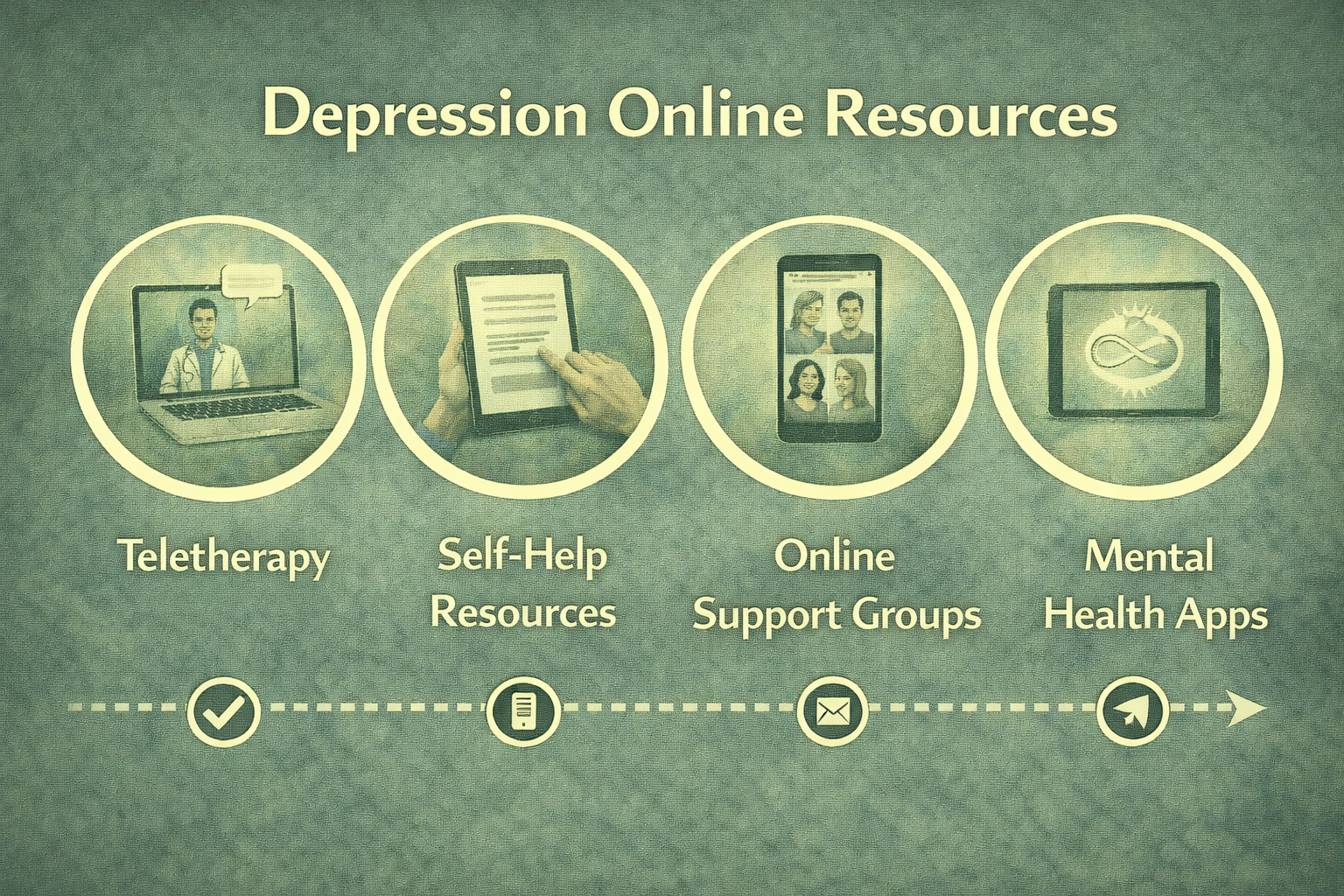
Depression online resources encompass a wide array of digital aids, including apps for mood tracking, websites with educational content, and virtual services for therapy and support. Key categories include online therapy platforms, community forums, self-help modules, and screening tools. For instance, trusted USA sources like SAMHSA provide helplines and resource directories, while NIMH offers evidence-based information on symptoms and treatments.
These tools often integrate features like interactive exercises or chat functions to promote active engagement. Research suggests that using such resources can help reduce feelings of isolation by connecting users with information and communities. Examples include SAMHSA’s Behavioral Health Treatment Services Locator and NIMH’s digital fact sheets, which are free and tailored for American audiences.
Types of Depression Online Resources
Depression online resources can be broadly divided into interactive and passive types. Interactive ones, such as live chat sessions or app-based exercises, encourage real-time participation—for example, guided mindfulness apps that respond to user input. Passive resources, like articles or videos, provide information without requiring engagement, such as reading about coping strategies on a website.
Additionally, options range from free to paid. Free resources might include government-sponsored sites or nonprofit forums, while paid ones often involve subscription-based therapy apps. This variety allows users to choose based on their needs and budget, making depression online resources adaptable for different lifestyles.
Research Shows:
A 2024 meta-analysis in JAMA Psychiatry found that digital interventions for depression can reduce symptoms by an average of 40%, similar to the effects seen in traditional therapy for mild cases.
How They Differ from In-Person Help
Depression online resources offer unparalleled flexibility, allowing access from home without scheduling conflicts or travel. However, they may lack the depth of personal connection found in face-to-face sessions, where nonverbal cues enhance understanding. Studies indicate they’re most suitable for mild to moderate depression, where self-paced learning can be effective.
For severe cases, online tools often serve as a complement rather than a replacement, with many platforms recommending professional oversight. This hybrid approach can improve outcomes, as users build skills digitally while pursuing in-person care if needed.
For a broader foundation, see our guide on Signs of Mental Health Issues:Seasonal Affective Disorder (SAD)
Why Depression Online Resources Matter
In an era where mental health challenges are on the rise, depression online resources play a crucial role in making support accessible and effective. They empower individuals to take proactive steps toward wellness, reducing the burden of untreated depression. Here, we’ll examine their accessibility, proven benefits, and relevance in our digital landscape.
Accessibility for Busy USA Adults Ages 25-55
For working professionals and parents in this age group, depression online resources overcome significant barriers like time constraints and location. Rural residents or those with demanding jobs can access help without commuting, fitting sessions into lunch breaks or evenings. This convenience is especially valuable in the USA, where mental health provider shortages affect over 100 million people in underserved areas.
Moreover, these tools often work on smartphones, making them ideal for on-the-go use. By eliminating waitlists and travel, they encourage earlier intervention, which can prevent symptoms from worsening.
Proven Benefits for Mental Health Management
Depression online resources help reduce isolation by fostering virtual connections and providing 24/7 access to coping strategies. Users report improved mood through consistent engagement, as community support and educational content build resilience. For example, online forums allow sharing experiences, normalizing struggles and enhancing emotional skills.
Additionally, they promote self-awareness, helping individuals track patterns and apply techniques like mindfulness. Evidence shows this leads to better long-term management, with many experiencing reduced symptom severity.
Expert Insight:
As a clinical psychologist from UCLA Health notes, “Online resources democratize mental health care, offering evidence-based tools that empower users to manage depression effectively, especially when integrated with professional guidance.”
Importance in Today’s Digital World
With depression rates climbing—reaching 18.3% among U.S. adults in 2025—online tools are essential for scalable support. The COVID-19 era accelerated their adoption, highlighting how digital platforms can maintain care during disruptions. For young adults, where rates hit 26.7% under age 30, these resources align with tech-savvy lifestyles, making help more approachable.
For a broader foundation, see our guide on Signs of Mental Health Issues: Depression Support Groups
Best Online Therapy for Depression
Online therapy has revolutionized depression treatment, providing licensed professional support through digital means. This section compares top platforms, explores options, and guides you on starting, emphasizing their role in effective symptom management.
Top Platforms like BetterHelp and Talkspace
Platforms like BetterHelp and Talkspace stand out for their licensed therapists and flexible formats, including video, text, and audio sessions. Users praise their matching algorithms, which pair you with counselors specializing in depression. For USA audiences, these services ensure HIPAA compliance and often accept insurance, with high satisfaction rates—over 80% in user reviews.
They offer unlimited messaging, making them ideal for ongoing support. Many find success with cognitive behavioral therapy (CBT) delivered virtually, which research suggests can be as effective as in-person for moderate depression.
Virtual Counseling for Depression Options
Telehealth services for depression include app-based counseling and website portals, focusing on evidence-based approaches like CBT or interpersonal therapy. Costs range from $60-90 per session, with some platforms offering sliding scales or insurance coverage. Consider factors like therapist credentials and session frequency when choosing.
These options provide privacy and convenience, but always verify if they suit your severity level—mild cases may benefit most.
Pro Tip:
Start with a platform’s free assessment quiz to get personalized therapist recommendations, saving time and ensuring a better fit for your depression symptoms.
How to Get Started
- Sign up on the platform’s website or app, providing basic information about your needs.
- Complete a matching questionnaire to pair with a licensed therapist.
- Schedule your first session—many offer same-day options—and begin discussing goals. Follow up with regular check-ins to track progress.
How to Access Free Depression Support Groups Online
Free online support groups provide peer connection without cost, helping combat depression’s isolation. This section recommends trusted groups, explores forums, and outlines safe participation steps.
Recommended Groups from NAMI and DBSA
Organizations like the National Alliance on Mental Illness (NAMI) and Depression and Bipolar Support Alliance (DBSA) host peer-led online forums for sharing experiences. ADAA (Anxiety and Depression Association of America) offers anonymous communities focused on anxiety and depression overlap.
These groups meet via video or chat, fostering empathy and practical advice. They’re accessible nationwide, with schedules accommodating different time zones.
Online Forums for Depression Support
Features include real-time chats, threaded discussions, and shared recovery stories, building a sense of community. Benefits extend to reduced loneliness, as users learn from others’ coping strategies.
Many forums moderate content for safety, ensuring supportive environments.
Steps to Join and Participate Safely
- Visit the organization’s website and register with an email.
- Choose a group that matches your needs, like weekly meetings.
- Set personal boundaries, such as sharing only what feels comfortable, and report any concerns to moderators.
Best Apps for Managing Depression
Apps for depression management deliver daily tools right to your phone, supporting self-care between professional sessions. We’ll review top options, their integration, and tips for use.
Top Apps Like Calm and Moodpath
Calm excels in mindfulness exercises and sleep stories, while Moodpath (now part of Sanvello) focuses on mood tracking and CBT-based insights. Both are user-friendly, with intuitive interfaces for daily check-ins.
Features include guided meditations and progress reports, helping users monitor improvements.
Managing Depression with Online Resources Via Apps
These apps integrate seamlessly with therapy, allowing data sharing with counselors. Free versions offer basic tools, while premium unlocks advanced features like personalized plans.
They complement other depression online resources by providing portable support.
User Tips for Maximum Benefit
Set daily reminders for mood logs to spot patterns. Track progress weekly and adjust habits accordingly. Combine with journaling for deeper insights.
How to Help Someone with Depression Online
Supporting a loved one digitally requires empathy and boundaries. This section covers strategies, resources, and pitfalls to avoid.
Virtual Support Strategies
Listen actively during video calls or chats, validating their feelings without judgment. Encourage exploring professional resources gently.
Consistency matters—regular check-ins show care.
Resources for Caregivers and Friends
Free online chat for depression, like SAMHSA’s helpline, offers guidance. Depression recovery stories online, found on NAMI’s site, inspire hope.
These tools equip you to provide informed support.
Important:
If someone expresses suicidal thoughts, urge them to call the 988 Lifeline immediately—online support isn’t a substitute for crisis intervention.
Avoiding Common Pitfalls in Online Help
Respect boundaries by not pushing advice unsolicited. Avoid minimizing their experience with phrases like “just cheer up.”
Depression Self-Help Resources Online
Self-help tools empower users to build skills independently. We’ll discuss screenings, symptom tests, and mindfulness exercises.
Free Online Depression Screening Test
NIMH and Mental Health America (MHA) provide tools like the PHQ-9 for self-assessment. Results offer insights, but aren’t diagnoses.
Interpret scores as prompts to seek professional advice if elevated.
Symptoms of Depression Test Online
Quick quizzes on sites like HelpGuide.org identify signs like persistent sadness or energy loss. They guide when to pursue help.
If symptoms persist, consult a doctor.
Mindfulness Exercises for Depression Online
Guided sessions from HelpGuide.org focus on breathing and presence, reducing rumination. Daily practice, even 10 minutes, can ease symptoms.
Scientific Evidence & Research
Backing depression online resources with science builds trust. This section reviews studies, opinions, and data.
Clinical Studies
Meta-analyses show digital interventions for depression yield moderate effect sizes (Hedges’ g around 0.43), comparable to in-person CBT for many users. Guided online therapy often outperforms unguided, with reductions in symptoms up to 40%.
Long-term follow-ups indicate sustained benefits when combined with lifestyle changes.
Expert Opinions
Experts from UCLA Health affirm that online therapy is effective for mild to moderate depression, emphasizing its accessibility. They recommend starting with evidence-based platforms.
Statistical Data
Depression affects 18.3% of U.S. adults as of 2025, with rates at 26.7% among those under 30. Prevalence has risen since the pandemic, underscoring the need for scalable online tools.
Common Mistakes to Avoid
Navigating depression online resources requires caution. Here are key errors and better approaches.
Mistake #1: Ignoring Privacy and Security Issues
Overlooking data protection risks breaches, eroding trust. Better approach: Choose HIPAA-compliant platforms like BetterHelp.
Mistake #2: Not Verifying Therapist Competence
Unchecked credentials may lead to poor advice. Better approach: Review licenses and user reviews before committing.
Mistake #3: Over-Reliance Without Professional Guidance
Depending solely on apps can delay treatment for severe cases. Better approach: Use online tools alongside in-person care if symptoms worsen.
Frequently Asked Questions (FAQs)
What are the best online resources for depression help?
Top options include SAMHSA’s helpline, NIMH tools, and platforms like BetterHelp for therapy. These provide free screenings, support groups, and apps tailored for USA users. They offer accessible entry points for education and connection, but consult a professional for personalized plans. Many integrate evidence-based strategies to manage symptoms effectively.
Is online therapy for depression effective?
Yes, studies show online therapy reduces depression symptoms with moderate effect sizes similar to in-person treatment, making it a viable option for many. Meta-analyses indicate guided sessions work best for moderate cases, with benefits lasting months. However, effectiveness varies by individual—severe depression may require hybrid care. Always discuss with a healthcare provider.
Where can I find free depression support groups online?
Organizations like DBSA and ADAA offer free, anonymous online groups for peer support and sharing experiences. NAMI also hosts virtual meetings focused on recovery. These provide community without cost, but they’re not therapy substitutes. Join via their websites for schedules and guidelines.
What are good apps for managing depression?
Apps like Calm for mindfulness and Sanvello for tracking help manage symptoms daily, with features backed by mental health experts. They include mood logs and exercises to build coping skills. Free versions suffice for basics, but premiums enhance personalization. Use alongside professional advice for best results.
How do I take a free online depression screening test?
Visit sites like MHA or NIMH for quick, confidential tests that assess symptoms and guide next steps. Answer honestly about feelings over two weeks; results suggest if professional help is needed. These aren’t diagnoses but starting points—follow up with a doctor if scores indicate moderate to severe depression.
Conclusion
Depression online resources deliver accessible, effective support that can significantly reduce symptoms, foster community, and empower daily management—transforming isolation into connection and overwhelm into actionable steps. By leveraging tools like virtual therapy, apps, and forums, you gain flexibility to address mental health on your terms, leading to improved well-being and resilience.
Empower yourself with these depression online resources for better mental health, starting with one simple action today. Begin with a free screening test or join an online support group to build momentum. For immediate help, schedule a virtual session through a platform like BetterHelp or call the 988 Lifeline.
Medical Disclaimer:
This article is for informational purposes only and not a substitute for professional medical advice. Consult a healthcare provider for personalized guidance. If you’re in crisis, call the 988 Suicide & Crisis Lifeline or seek emergency care. For support, contact SAMHSA at 1-800-662-4357. Content based on 2026 research, but always verify with your provider.