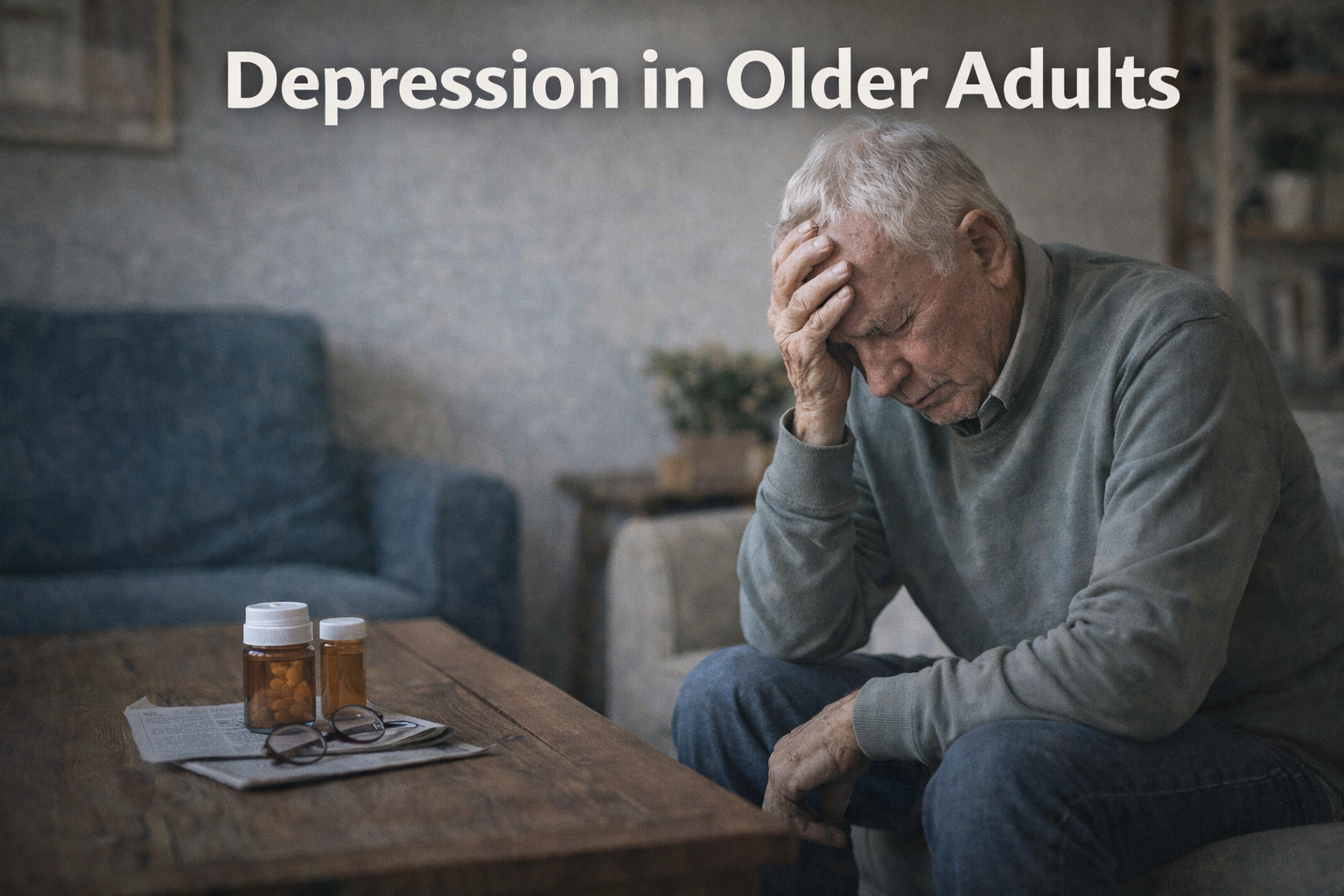
More than 2 actor Americans age 65 and earlier acquaintance abasement — yet abounding families aberration it for “just accepting old.”
If you’ve noticed a parent, spouse, or grandparent abandoning from activities they already loved, accusatory of alien fatigue, or appearing almighty irritable, you may be seeing signs of abasement in earlier adults. These affection are frequently hidden abaft concrete complaints, amusing withdrawal, or what looks like accustomed aging, arch to underdiagnosis and accidental suffering.
This absolute adviser explains absolutely how abasement looks altered in seniors, what causes it, how to atom it early, and the best able treatments accessible today. You’ll airing abroad with applied accoutrement to admit the signs, abutment a admired one, and apperceive back to seek able help.
Based on current guidelines from the National Institute on Aging (NIA), Centers for Disease Control and Prevention (CDC), and National Council on Aging (NCOA).
What Is Depression in Older Adults?
Depression is a real medical condition, not a normal part of aging. Most older adults feel satisfied with their lives despite physical challenges.
Depression vs Normal Aging
Feeling sad occasionally is normal. Clinical depression, however, involves persistent symptoms that interfere with daily life for at least two weeks. The two main types seen in seniors are:
- Major depressive disorder — intense symptoms that disrupt work, family, or social life.
- Persistent depressive disorder — a lower-grade but long-lasting depressed mood.
How Depression Presents Differently in Seniors
Older adults often show fewer classic emotional signs like overt sadness. Instead, they may experience:
- More physical complaints (aches, fatigue, sleep problems)
- Cognitive changes that mimic dementia (“pseudodementia”)
- Irritability or withdrawal rather than tearfulness
Depression in older adults can overlap with dementia symptoms, making diagnosis trickier.
Why Depression in Older Adults Is Often Overlooked
Many people — including healthcare providers and family members — still believe depression is “just part of getting older.”
Common Misconceptions
- “It’s just grief” after losing a spouse or friend
- “They’re just lonely” because of reduced mobility
- Symptoms are blamed on medications, arthritis, or other chronic illnesses
Barriers to Diagnosis
Stigma around mental health, difficulty getting to appointments, limited access to geriatric mental health specialists, and the tendency to focus only on physical health all contribute to missed diagnoses.
Signs and Symptoms of Depression in Older Adults
Depression in older adults often shows up differently than in younger people.
Physical Symptoms of Depression
- Unexplained aches and pains
- Fatigue that doesn’t improve with rest
- Changes in appetite or weight
- Sleep disturbances (insomnia or sleeping too much)
Early Signs of Depression in Older Adults
- Loss of interest in hobbies or social activities
- Social withdrawal
- Increased irritability or restlessness
Warning Signs of Depression in Older Men
Older men may show anger, increased alcohol use, or risky behavior rather than sadness.
Warning Signs of Depression in Older Women
Persistent sadness, excessive guilt, or tearfulness are more common.
Is It Depression or Just Sadness?
If symptoms last more than two weeks and interfere with daily functioning, it’s time to consider depression.
For a broader foundation, see our guide on Signs of Mental Health Issues: Teen Depression Warning Signs
Here’s a quick comparison:
| Symptom | Normal Aging/Sadness | Depression in Older Adults |
| Duration | Days to a week | 2+ weeks |
| Impact on daily life | Minimal | Significant (missed meals, isolation, etc.) |
| Response to support | Usually improves | Little or no improvement |
Causes and Risk Factors for Depression in Older Adults
Depression rarely has one single cause. It often results from a combination of factors.
Medical Conditions
Heart disease, cancer, stroke, diabetes, chronic pain, and neurological conditions significantly raise risk.
Life Changes and Losses
Bereavement, retirement, reduced mobility, and social isolation are powerful triggers.
Other Contributing Factors
- Taking multiple medications (polypharmacy)
- Family history of depression
- Financial stress or low income
How to Know If an Older Adult Has Depression
Early detection makes treatment much more effective.
Screening Tools
- Patient Health Questionnaire-9 (PHQ-9) — a 9-question tool used in primary care
- Geriatric Depression Scale (GDS) — a simple yes/no questionnaire designed specifically for seniors
When to Seek Professional Help
Seek help if symptoms last more than two weeks, worsen, or include thoughts of death or suicide. Red-flag symptoms include sudden withdrawal, unexplained weight loss, or talk of feeling like a burden.
Treatment Options for Depression in Older Adults
The good news: depression in older adults responds very well to treatment.
Psychotherapy
Cognitive behavioral therapy (CBT), interpersonal therapy (IPT), and problem-solving therapy are highly effective and often first-line options.
Medications
Selective serotonin reuptake inhibitors (SSRIs) are usually the safest choice. Sertraline and escitalopram are frequently recommended because they have fewer side effects and drug interactions in older adults.
Other Options
For severe or treatment-resistant cases: electroconvulsive therapy (ECT) or repetitive transcranial magnetic stimulation (rTMS) can be safe and effective.
Lifestyle Changes That Work
Regular gentle exercise, meaningful social connections, healthy sleep habits, and a balanced diet all support recovery.
Prevention and Best Practices for Managing Depression in Older Adults
You can lower risk and help manage symptoms with these steps:
- Stay socially connected (join clubs, volunteer, or use technology to keep in touch)
- Engage in regular physical activity (walking, chair exercises, swimming)
- Maintain healthy sleep and nutrition routines
- Schedule routine medical check-ups to catch issues early
Scientific Evidence & Research
Key Statistics
- 1–5% of community-dwelling older adults have major depression
- Rates rise to 11–13% in hospital or home-care settings (NCOA/CDC)
- Approximately 4% of adults aged 70+ have depression (CDC)
Recent Studies
A 2025 analysis from the LongROAD study found that volunteering was associated with a 43% reduction in the odds of depression among older adults. Higher rates are consistently seen in women, those with lower income, and people living with chronic illness.
For a broader foundation, see our guide on Signs of Mental Health Issues:Seasonal Affective Disorder (SAD)
Common Mistakes to Avoid
Mistake #1: Assuming It’s “Just Aging”
Delaying treatment can lead to worsening symptoms, isolation, and even increased risk of physical decline. Better approach: Screen regularly with simple tools like the GDS or PHQ-9.
Mistake #2: Self-Medicating with Alcohol
Alcohol worsens depression and interacts dangerously with medications.
Mistake #3: Ignoring Caregiver Stress
Caregivers themselves are at high risk — encourage them to seek support too.
Frequently Asked Questions (FAQs)
What are the first signs of depression in older adults?
Loss of interest in hobbies, fatigue, social withdrawal, and unexplained physical aches often appear before obvious sadness. These early signs are easy to miss because they can look like normal aging.
Can depression in older adults go away on its own?
Mild cases sometimes improve with lifestyle changes and support, but most require professional treatment. Waiting too long can make symptoms harder to treat.
How long does depression last in seniors?
With treatment, many people see improvement within 4–8 weeks. Full recovery can take several months, and some may need ongoing management.
What causes depression in older adults?
It’s usually a mix of medical conditions, life losses, medications, isolation, and sometimes genetic factors.
Is depression more common in older men or women?
Women tend to have higher rates, but men are less likely to seek help and may show different symptoms (anger, substance use).
When should I seek help for a parent or spouse?
If symptoms last more than two weeks, interfere with daily life, or include thoughts of death or suicide, contact their doctor right away.
For a broader foundation, see our guide on Signs of Mental Health Issues: Ultimate Guide to Understanding Depression
Conclusion
Depression in earlier adults is treatable — aboriginal acceptance absolutely can save lives and restore joy.
You now accept the ability to atom the signs, accept the causes, and abutment able treatment. The distinct best important abutting footfall you can booty this anniversary is to allocution with your admired one’s doctor or agenda a check-up if you admit any of the affection declared here.
If you or addition you adulation is struggling, alarm the 988 Suicide & Crisis Lifeline or ability out to a healthcare provider today. Many seniors balance absolutely and go on to adore meaningful, accomplishing years ahead.
You’re not abandoned in this — and advice is available.