Did you know that nearly 1 in 9 children in the US experiences anxiety disorders, often starting as early as age 3? This statistic from the CDC highlights a growing concern for parents and caregivers. Many parents struggle to recognize and address excessive worry, fear, or avoidance in their kids, leading to impacts on daily life, school, and family dynamics. Childhood anxiety disorders can manifest in subtle ways, making it challenging to differentiate from normal childhood fears, but when left unaddressed, they can escalate and affect long-term well-being.
This article covers definitions, signs, causes, treatments, and practical tips to empower you in supporting your child’s mental health. You’ll learn evidence-based strategies to identify symptoms early, explore treatment options like therapy and medication, and discover natural remedies that may complement professional care. Backed by insights from authoritative sources like CDC, NIH, and Mayo Clinic, equivalent to WebMD standards, this guide aims to provide reliable, actionable information to help your child thrive.
For a broader foundation, see our guide on Signs of Mental Health Issues: Complete Guide to Anxiety Disorders
What Are Childhood Anxiety Disorders?
Childhood anxiety disorders are more than just passing worries; they involve persistent, excessive fears that interfere with a child’s daily life. According to the CDC, these conditions affect about 11% of children aged 3-17 in the US, making them one of the most common mental health issues in youth. Unlike typical childhood fears—such as being afraid of the dark or monsters under the bed—childhood anxiety disorders can lead to avoidance behaviors, physical symptoms, and emotional distress that don’t resolve on their own. Research suggests these disorders often begin early, with symptoms potentially worsening without intervention.
Understanding childhood anxiety disorders is crucial because early recognition can prevent long-term complications. Studies show that untreated anxiety in children can evolve into more severe issues in adolescence and adulthood. Healthcare professionals emphasize that these disorders are treatable, with approaches tailored to the child’s age and specific needs.
Types of Childhood Anxiety Disorders
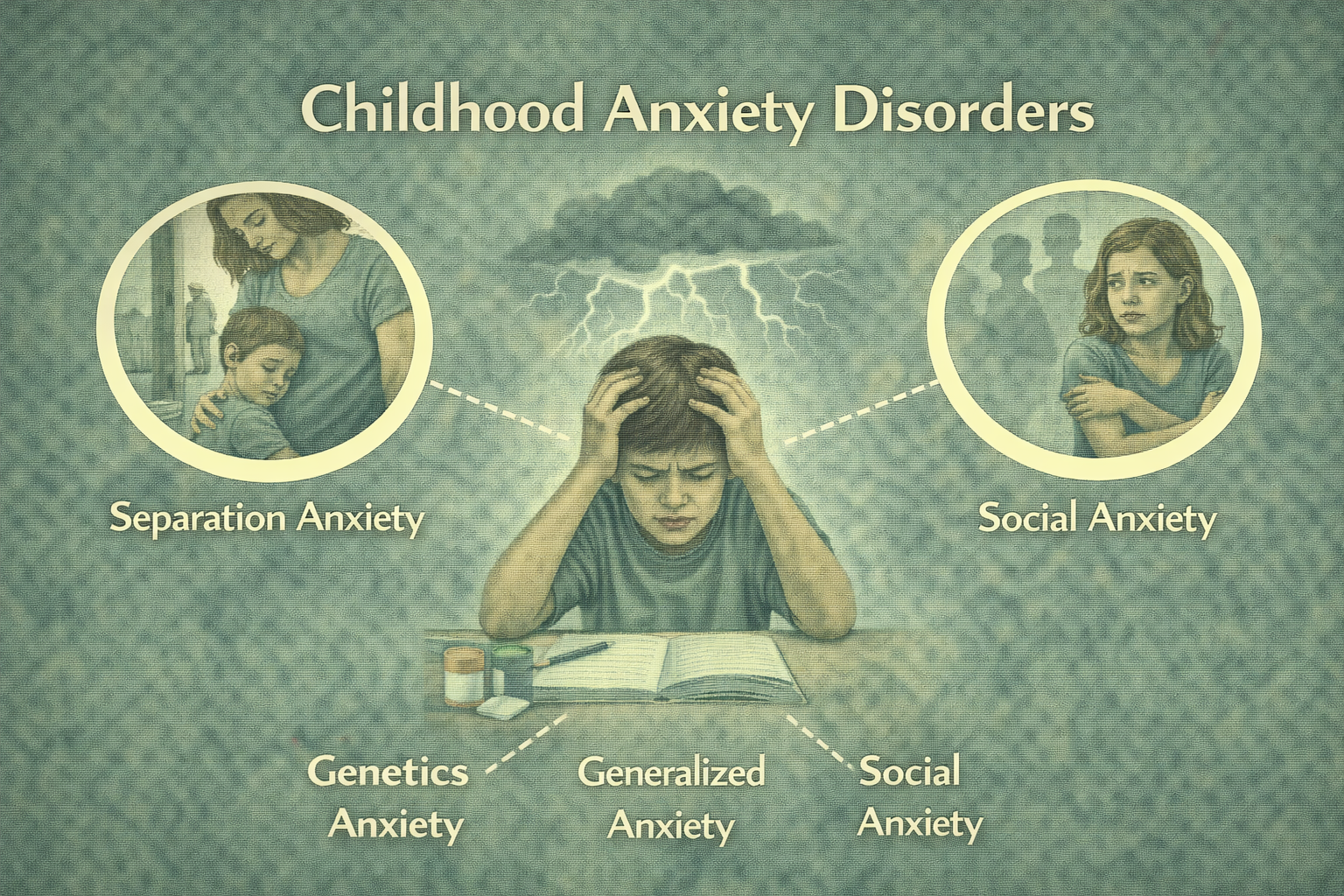
Separation anxiety disorder involves excessive fear of being away from parents or home, often leading to clinginess or refusal to attend school. This type affects younger children more frequently, with symptoms like nightmares or physical complaints when separation is anticipated.
Social anxiety in children manifests as intense worry about social interactions and judgment, causing avoidance of group activities or speaking in class. It can impact peer relationships and self-esteem, with research indicating it’s more common in adolescents.
Generalized anxiety disorder in kids features persistent, uncontrollable worry across multiple areas, such as health, school, or family. Children may experience restlessness or difficulty concentrating, and studies link this to higher rates of co-occurring depression.
How Childhood Anxiety Differs from Normal Worry
Normal fears are developmental and temporary; disorders involve extreme, persistent distress that doesn’t fade with reassurance. For instance, a child might outgrow fear of strangers, but in anxiety disorders, fears intensify over time.
Impacts daily functioning, like school avoidance or sleep issues, distinguishing it from typical worries. Evidence from the NIH shows that childhood anxiety disorders can impair cognitive processes, leading to challenges in learning and social development.
Prevalence in the USA
Affects 7-11% of children ages 3-17, per CDC and NSCH data, with higher rates in adolescents. Girls are slightly more affected than boys, at 12% versus 9%.
Often co-occurs with depression, with about 8% of anxious children also experiencing behavioral issues. Recent trends show an increase, partly due to post-pandemic stressors, as noted in 2023 NSCH reports.
Research Shows: A 2023 CDC analysis found that anxiety prevalence among US children rose from 9.2% in 2016 to 11% in 2022, highlighting the need for early screening.
For a broader foundation, see our guide on Signs of Mental Health Issues: Panic Disorder Overview
Why Do Childhood Anxiety Disorders Matter?
Childhood anxiety disorders extend beyond momentary discomfort; they can shape a child’s future trajectory. Untreated, they may hinder emotional development and lead to avoidance patterns that persist into adulthood. Experts from the APA stress that addressing these early fosters resilience and better coping skills. Recognizing their importance helps parents seek timely support, potentially preventing escalation.
This matters because anxiety isn’t just “nerves”—it’s a condition that can affect physical health, relationships, and academic success. Research consistently shows that intervention improves quality of life, making it essential for families to understand the broader implications.
Long-Term Impacts on Mental Health
Untreated anxiety can lead to depression, substance abuse, or chronic issues into adulthood. Studies indicate it increases the risk of future anxiety disorders by 2-3 times, per NIH reviews.
Persistent anxiety may contribute to low self-esteem and social isolation, compounding mental health challenges over time.
Effects on Daily Life and Development
Interferes with social skills, academic performance, and family relationships, creating cycles of stress. Children may withdraw from activities, limiting growth opportunities.
Physical symptoms like headaches or stomachaches affect overall well-being, as noted in pediatric guidelines from the AAFP.
Importance of Early Intervention
Early treatment improves outcomes; prevents escalation by teaching coping mechanisms before patterns solidify. Research suggests interventions before age 12 yield better long-term results.
Supports healthy emotional regulation, reducing the likelihood of comorbid conditions like ADHD or depression.
Signs and Symptoms of Childhood Anxiety Disorders
Spotting signs of childhood anxiety disorders early can make a significant difference in a child’s life. These disorders often present through a mix of emotional, physical, and behavioral cues that go beyond typical childhood ups and downs. Parents might notice their child becoming overly worried about routine events or avoiding situations that trigger fear. According to experts, symptoms must persist for at least six months and interfere with daily activities to suggest a disorder.
Awareness of these signs empowers families to seek help promptly. Childhood anxiety disorders, if addressed, respond well to treatment, but ignoring them can lead to increased distress.
Symptoms of Childhood Anxiety Disorders
Emotional symptoms include excessive worry, irritability, or fearfulness that seems disproportionate to the situation. Children may express constant “what if” thoughts.
Physical manifestations like restlessness, fatigue, muscle tension, or sleep disturbances are common, often mimicking other health issues.
Childhood Separation Anxiety Symptoms
Clinginess to caregivers, nightmares about separation, or refusal to go to school without a parent present. These can lead to tantrums or physical complaints like headaches.
Research from the APA shows this type peaks in early elementary years but can persist if unaddressed.
Social Anxiety in Children Signs
Avoidance of social situations, fear of speaking in class, or physical symptoms like blushing in groups. Children may worry excessively about embarrassment.
This can result in isolation, affecting friendships and school participation, as evidenced by studies on adolescent social development.
Expert Insight: Pediatric psychologists note that early signs of social anxiety often appear around age 8-10, emphasizing the value of supportive environments to build confidence.
Causes of Anxiety in Kids
Anxiety in kids doesn’t stem from a single source; it’s often a interplay of factors. Understanding these can help parents identify risks and seek preventive measures. Research points to a combination of innate traits and life experiences shaping vulnerability. While some children seem naturally more prone, environmental triggers can amplify these tendencies.
Experts agree that no one cause dominates, but recognizing patterns aids in early intervention. This knowledge reassures families that anxiety is manageable with the right support.
Genetic and Biological Factors
Family history doubles risk; temperamental traits like behavioral inhibition increase susceptibility, per twin studies from the NIH.
Brain chemistry imbalances, such as in serotonin levels, may contribute, influencing how children process fear.
Environmental and Family Influences
Parental anxiety, overprotection, or modeling anxious behaviors can teach children similar responses. Harsh parenting styles may heighten sensitivity.
Cultural or societal pressures, like academic expectations, add layers, as seen in diverse US populations.
Traumatic Events and Stressors
Childhood adversities like divorce, abuse, or loss increase vulnerability, triggering fight-or-flight responses that persist.
Bullying or major changes, such as moving schools, can exacerbate risks, according to trauma research.
Important: If trauma is suspected, consult a professional immediately, as early therapy can mitigate long-term effects—never assume it will resolve on its own.
For a broader foundation, see our guide on Signs of Mental Health Issues: Brain and Anxiety Connection
How to Help a Child with Anxiety
Helping a child with anxiety starts with empathy and practical steps at home. Parents play a key role in creating a supportive environment that encourages open communication. Research shows that consistent, calm responses from caregivers can reduce symptoms over time. Begin by acknowledging feelings without judgment, which builds trust.
Professional guidance may be needed if symptoms persist, but home strategies form a strong foundation. These approaches empower children to manage anxiety independently as they grow.
Managing Anxiety in Children at Home
1: Validate feelings and listen without judgment to make your child feel understood and safe.
2: Teach relaxation techniques like deep breathing or progressive muscle relaxation to calm immediate distress.
3: Encourage gradual exposure to fears in small, manageable steps to build confidence over time.
Coping Strategies for Child Anxiety
Journaling worries helps externalize thoughts; positive affirmations reinforce self-worth and reduce negative self-talk.
Establishing routines provides predictability, easing uncertainty that fuels anxiety.
When to Seek Professional Help
If symptoms persist over 6 months or impair functioning, consult a pediatrician or therapist promptly.
Treatment Options for Childhood Anxiety Disorders
Treatment for childhood anxiety disorders focuses on evidence-based methods tailored to the child’s needs. Options range from therapy to medication, often combined for optimal results. A 2017 meta-analysis in JAMA Pediatrics found CBT and SSRIs effective in 60-80% of cases. Consulting a healthcare provider ensures the best fit.
Families should discuss benefits and risks, as personalized plans yield better outcomes. Regular monitoring tracks progress and adjusts as needed.
Therapy for Childhood Anxiety
CBT is evidence-based, focusing on changing thought patterns; effective in 60-80% of cases, per JAMA Pediatrics studies.
Sessions teach skills like identifying triggers and reframing fears, suitable for ages 7 and up.
Childhood Anxiety Medication Options
SSRIs like sertraline are used for severe cases, combined with therapy to enhance efficacy.
Monitoring for side effects is essential; benefits often outweigh risks in moderate-to-severe anxiety.
Panic Attacks in Children Treatment
Exposure therapy and mindfulness help manage episodes; medication if frequent, as recommended by APA guidelines.
Quick interventions like grounding techniques can prevent escalation during attacks.
| Treatment | Pros | Cons | Effectiveness |
| CBT | Skill-building, no side effects | Requires commitment | 60-80% |
| SSRIs | Quick symptom relief | Potential side effects | 50-70% |
| Combined | Comprehensive | More intensive | 80-90% |
📊 Research Shows: A JAMA Pediatrics meta-analysis (2017) confirmed CBT plus SSRIs as most effective for youth anxiety, reducing symptoms in up to 80% of cases.
Natural Remedies for Child Anxiety
Natural remedies can complement professional treatment for child anxiety, offering gentle support. Evidence suggests lifestyle changes and herbs may reduce symptoms, but always consult a doctor first. Mayo Clinic notes limited but promising data for some options.
These approaches focus on holistic well-being, promoting relaxation without medication. Monitor for effectiveness and safety.
Lifestyle Changes and Home Remedies
Exercise, a healthy diet, and adequate sleep reduce symptoms by balancing hormones and improving mood.
Aim for 60 minutes of daily activity; include omega-3-rich foods like fish for brain health.
Mindfulness and Relaxation Techniques
Yoga and meditation apps tailored for kids teach presence and calm breathing.
Short daily sessions can lower stress, as supported by NIH studies on youth mindfulness.
Herbal and Supplemental Options
Chamomile tea or omega-3s may ease mild anxiety; consult doctor before use to avoid interactions.
Evidence from small trials shows lavender aromatherapy potentially reducing worry.
Consider kid-friendly mindfulness tools like Calm app for guided sessions.
Pro Tip: Start with short, fun mindfulness games—like “balloon breathing”—to engage children without overwhelming them, building habits gradually.
Childhood Anxiety and School Performance
Childhood anxiety and school performance are closely linked, with anxiety often creating barriers to learning. Children may struggle with focus during lessons or tests, leading to underachievement. Studies show anxious students are more likely to have lower grades and higher absenteeism.
Addressing this requires collaboration between parents, teachers, and professionals. Early strategies can help children succeed academically while managing anxiety.
How Anxiety Affects Learning
Concentration issues arise from racing thoughts, impairing information processing and retention.
Test anxiety triggers physical symptoms, leading to blanking out or poor performance.
Absenteeism from avoidance behaviors reduces exposure to material, widening knowledge gaps.
Strategies for School Support
Collaborate with teachers for accommodations like quiet spaces or extended time on tasks.
IEPs or 504 plans can provide structured support, as recommended by education specialists.
Building Resilience in Educational Settings
After-school programs foster social skills; peer support groups normalize experiences.
Encourage growth mindset to reframe challenges positively.
Learn more about child education and mental health here.
Scientific Evidence & Research
Scientific evidence underscores the prevalence and treatability of childhood anxiety disorders. Recent studies provide data on effective interventions and risk factors. This section highlights key findings from reputable sources.
Clinical Studies
JAMA Pediatrics meta-analysis (2017): Global youth anxiety at 20.5%; CBT plus SSRIs most effective, reducing symptoms in 60-80% of cases.
Trials show early CBT prevents progression, with response rates up to 70%.
Expert Opinions
APA experts emphasize early CBT for building skills; AAFP notes 1 in 4 adolescents affected, advocating integrated care.
Pediatricians recommend screening from age 8, per USPSTF guidelines.
Statistical Data
CDC: 11% of US children 3-17 have anxiety; NSCH: 7.8% prevalence, with increases post-2020.
Higher in girls; co-occurs with depression in 50% of cases.
For more, see NIH studies on child anxiety.
View JAMA Pediatrics meta-analysis.
Common Mistakes to Avoid
Avoiding common pitfalls can improve outcomes for children with anxiety. Parents often mean well but may inadvertently worsen symptoms. Awareness leads to better approaches.
Mistake #1: Dismissing Symptoms as “Just a Phase”
Why it’s problematic: Delays intervention, worsens issues as anxiety builds.
Better approach: Monitor and consult professionals early to address root causes.
Mistake #2: Overprotecting the Child
Why it’s problematic: Reinforces avoidance, hinders resilience development.
Better approach: Encourage gradual independence with support, building confidence.
Mistake #3: Ignoring Parental Anxiety
Why it’s problematic: Models anxious behavior, creating a cycle.
Frequently Asked Questions (FAQs)
What are the signs of anxiety in children?
Signs include excessive worry, restlessness, avoidance of activities, and physical complaints like stomachaches. These persist and interfere with daily life, unlike normal fears. They may vary by age, with younger kids showing clinginess and older ones withdrawing socially. If noticed, track patterns and consult a pediatrician for evaluation.
How to help child with anxiety?
Validate their feelings, teach coping skills like breathing exercises, and seek therapy if needed. Consistent routines and positive reinforcement help build confidence. Avoid forcing situations; instead, use gradual exposure. For ongoing issues, professional CBT can provide structured tools for long-term management.
What are the symptoms of childhood anxiety disorders?
Emotional symptoms: Irritability, fearfulness; Physical: Fatigue, headaches; Behavioral: Clinginess, school refusal. Varies by type like separation or social anxiety. Symptoms must last over six months and impact functioning. Co-occurring issues like sleep problems are common, warranting comprehensive assessment.
What is the treatment for child anxiety disorders?
CBT is first-line, often combined with SSRIs for severe cases. Early intervention yields best results, per research. Therapy focuses on skill-building; medication addresses chemical imbalances. Family involvement enhances effectiveness, with regular follow-ups to adjust plans.
Are there natural remedies for child anxiety?
Yes, including exercise, mindfulness, and herbal teas, but use under guidance to complement professional care. Options like chamomile show mild benefits in studies. Lifestyle changes often provide foundational support, but they’re not substitutes for therapy in moderate cases.
What causes anxiety in kids?
Genetics, family environment, traumas, or stressors like divorce contribute. Temperamental factors also play a role. Biological elements like brain chemistry interact with experiences. Early identification of risks allows preventive measures to mitigate development.
Conclusion
Understanding childhood anxiety disorders equips you to support your child’s journey toward better mental health, reducing long-term impacts like depression or social challenges. By recognizing signs early, exploring treatments like CBT, and incorporating coping strategies, you provide invaluable tools for resilience and success. The primary value lies in empowering your child to navigate worries confidently, fostering emotional growth that lasts a lifetime.
Take one clear next step: Schedule a consultation with a mental health professional for personalized advice tailored to your child’s needs. For more resources, subscribe to our newsletter for weekly child health tips.
Remember, seeking help is a strength—many families find relief through these steps. You’re not alone, and with support, your child can thrive.
Medical Disclaimer:
This article is for informational purposes only and not a substitute for professional medical advice. Always consult a healthcare provider before making any changes to your child’s mental health treatment, starting new medications, or trying new supplements.
If you’re experiencing a mental health crisis, please call the 988 Suicide & Crisis Lifeline or visit your nearest emergency room. For non-emergency support, contact the Substance Abuse and Mental Health Services Administration (SAMHSA) National Helpline at 1-800-662-4357.
The content in this article is based on current research and expert consensus as of 2026, but medical knowledge evolves. Always verify information with your healthcare provider.