Did you know that 68% of Americans report disrupted sleep due to anxiety, creating a vicious cycle that affects millions? If you’ve ever lain awake at night, your mind racing with worries about work, relationships, or the day’s events, you’re not alone.
Anxiety can keep you tossing and turning, leading to fragmented rest that leaves you exhausted and irritable the next day. Meanwhile, chronic lack of sleep can heighten anxiety symptoms, making it harder to manage emotions and cope with daily stressors.
This anxiety sleep connection is a common struggle for many adults aged 25-55, often juggling demanding careers and family responsibilities, which can worsen mental health over time.
For a broader foundation, see our guide on Signs of Mental Health Issues: Agoraphobia Understanding
What is the Anxiety Sleep Connection?
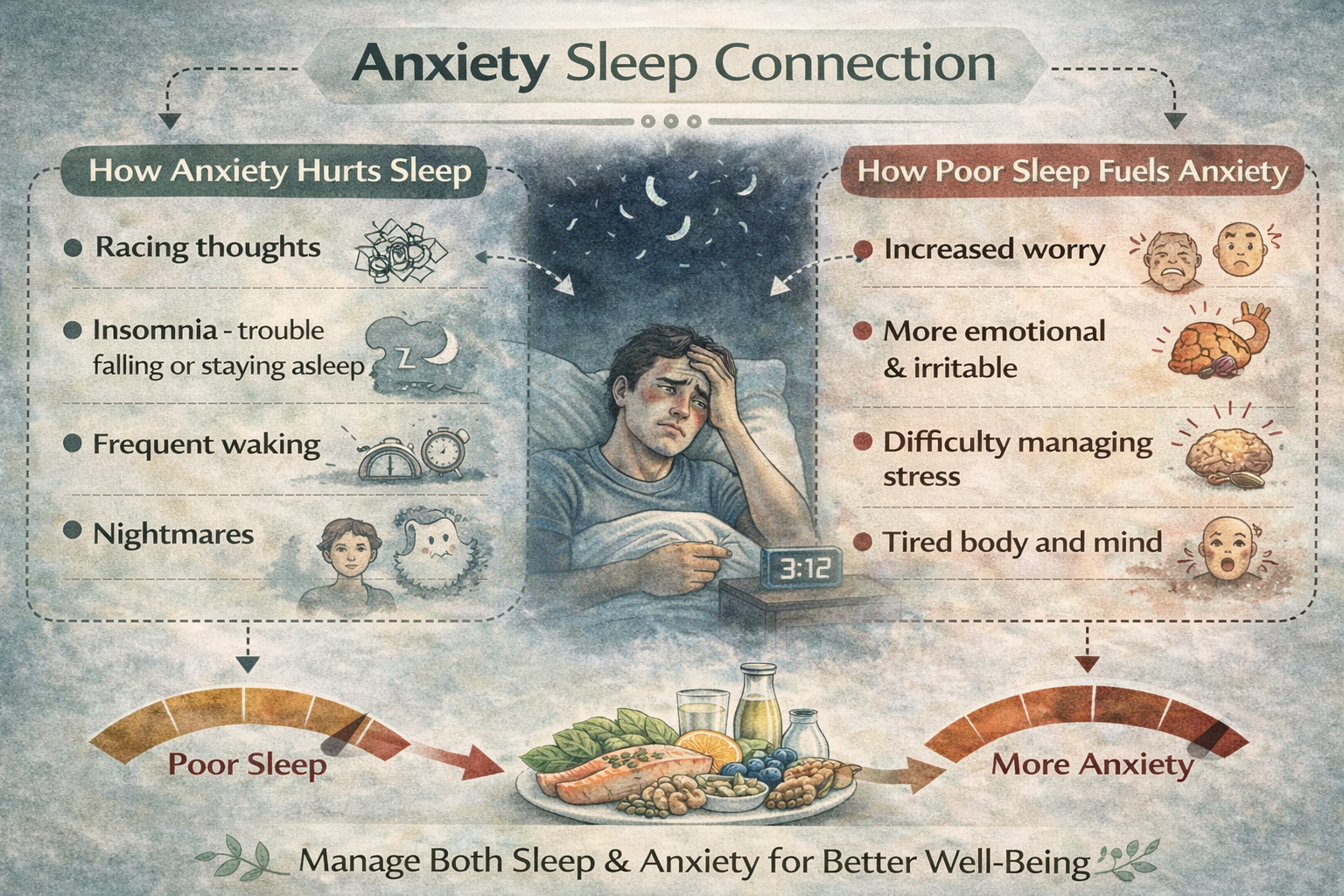
The anxiety sleep connection describes the bidirectional relationship where anxiety disrupts sleep patterns, and insufficient sleep, in turn, exacerbates anxiety symptoms. This interplay can create a self-perpetuating loop, making it challenging to achieve restful nights and calm days. Understanding this connection is key to addressing both issues effectively, as research suggests that improving one often benefits the other.
How Does Anxiety Affect Sleep Quality?
Anxiety triggers a state of hyperarousal, where your nervous system remains on high alert, making it difficult to relax and fall asleep. This can lead to fragmented sleep, with frequent awakenings throughout the night as your mind replays worries. Additionally, anxiety may alter rapid eye movement (REM) sleep, the stage associated with dreaming, potentially resulting in vivid nightmares that further interrupt rest. Studies show that people with anxiety disorders report poorer sleep quality, often feeling unrefreshed upon waking.
For many, this manifests as insomnia, where falling asleep takes longer than 30 minutes or staying asleep becomes a nightly battle. Physical symptoms like muscle tension or a racing heart compound the issue, preventing the deep relaxation needed for quality sleep. Over time, this can reduce overall sleep efficiency, leaving you more vulnerable to daytime fatigue.
How Does Lack of Sleep Affect Anxiety?
Lack of sleep impairs the prefrontal cortex, the brain region responsible for emotional regulation, leading to increased reactivity and worry. This can elevate stress hormones like cortisol, amplifying anxiety symptoms and making everyday challenges feel overwhelming. Furthermore, chronic sleep deprivation reduces your ability to process emotions effectively, resulting in heightened distress and a lower threshold for stressors.
Research indicates that even a single night of poor sleep can raise anxiety levels by up to 30%. Without adequate rest, your brain struggles to consolidate positive experiences, perpetuating a cycle of negative thinking. This connection is particularly relevant for those in high-stress phases of life, where sleep loss can intensify feelings of unease.
How Does Anxiety Cause Sleep Problems?
Anxiety promotes rumination, where persistent thoughts about potential threats or past events keep you mentally engaged at bedtime, perpetuating insomnia. This fear of not sleeping can become a self-fulfilling prophecy, increasing bedtime anxiety. Moreover, anxiety often co-occurs with physical symptoms such as rapid heartbeat or shallow breathing, which directly disrupt the body’s ability to transition into sleep.
In severe cases, this can lead to conditioned insomnia, where the bed itself becomes associated with worry rather than rest. Addressing the anxiety sleep connection early can prevent these patterns from becoming entrenched, improving both sleep and mental well-being.
Research Shows:
A study from UC Berkeley found that a sleepless night can increase anxiety levels by 30%, highlighting the profound impact of sleep deprivation on emotional health.
For a broader foundation, see our guide on Signs of Mental Health Issues: Complete Guide to Anxiety Disorders
Why the Anxiety Sleep Connection Matters
The anxiety sleep connection is more than an inconvenience—it’s a critical factor influencing your overall health and quality of life. When left unaddressed, this cycle can lead to chronic issues, but recognizing its importance empowers you to take proactive steps. By prioritizing this link, you can enhance resilience and well-being.
How Does Sleep Help Mental Health?
Quality sleep restores brain function, allowing for better emotional regulation and decision-making. It helps process daily stressors, reducing the buildup of anxiety over time. Consistent rest also boosts resilience, making it easier to handle challenges without overwhelming worry.
During sleep, your brain clears toxins and consolidates memories, which supports a balanced mood. Insufficient sleep, however, can impair these processes, increasing vulnerability to mental health issues.
How Does the Anxiety Sleep Connection Impact Daily Life?
This connection often results in persistent fatigue, impairing concentration and productivity at work or home. It can heighten risks for depression and other mental health conditions, straining relationships due to irritability. Over time, it may affect physical health, such as weakening immunity or contributing to weight gain.
For adults facing midlife pressures, this can exacerbate feelings of burnout, making daily tasks feel insurmountable.
Why Addressing It Early is Crucial
Intervening early prevents the escalation of insomnia and anxiety into chronic disorders. It enhances life quality for those aged 25-55, who often balance multiple responsibilities. Early action, like adopting better habits, can break the cycle before it deeply impacts health.
Expert Insight:
As Dr. Andrea Goldstein-Piekarski from Stanford explains, “There’s a bidirectional link; improving sleep can relieve anxiety symptoms significantly.”
For a broader foundation, see our guide on Signs of Mental Health Issues: Anxiety Exercise Benefits
How Anxiety Affects Sleep and Vice Versa
Anxiety and sleep influence each other in a continuous loop, where one worsens the other. External factors like technology use can intensify this dynamic, making it essential to understand these interactions for effective management.
How Does Social Media Affect Mental Health and Sleep?
Social media increases screen time, which disrupts your circadian rhythms by delaying melatonin release. It often fuels comparison, leading to anxiety that spills into bedtime rumination. Blue light from devices suppresses melatonin production, making it harder to fall asleep.
Studies show that excessive social media use is linked to poorer sleep quality and heightened anxiety symptoms. This can create a habit of late-night scrolling, reducing total sleep hours.
How Does Screen Time Affect Your Mental Health?
Prolonged screen exposure bombards you with stimulating content, exacerbating anxiety and delaying sleep onset. It contributes to reduced sleep quality, as constant notifications interrupt rest. Over time, this can lead to emotional instability and increased stress.
Research indicates that high screen time correlates with higher rates of depression and anxiety. Limiting exposure helps mitigate these effects.
How Does Cyberbullying Affect Teens Mental Health? (Broader Implications for Adults)
Cyberbullying creates persistent stress that extends into adulthood, fostering hypervigilance and ongoing sleep disturbances. Victims may experience heightened anxiety, leading to nightmares or insomnia. This stress can carry forward, affecting adult mental health similarly.
For adults, similar online harassment can trigger comparable responses, underscoring the need for healthy digital boundaries.
How to Improve Sleep with Anxiety
Breaking the anxiety sleep connection starts with actionable steps to enhance sleep hygiene. These strategies can help you wind down and achieve more restful nights, but consult a professional if anxiety is severe.
Establish a Consistent Sleep Routine
Set fixed bed and wake times, even on weekends, to regulate your body’s internal clock. Wind down with relaxing activities like reading or gentle stretching to signal bedtime. Consistency reinforces sleep patterns, reducing anxiety-related disruptions.
Start by tracking your current habits and gradually adjust for better alignment.
Incorporate Relaxation Techniques
Practice deep breathing exercises, such as 4-7-8 breathing, or progressive muscle relaxation to calm your mind. Use meditation apps for guided sessions that focus on mindfulness. These methods can lower hyperarousal, making it easier to drift off.
Research suggests these techniques may reduce anxiety symptoms and improve sleep onset.
Limit Stimulants and Screen Time
Avoid caffeine after noon, as it can linger in your system and heighten anxiety. Steer clear of screens at least an hour before bed to prevent blue light interference. Create a tech-free bedroom to promote a serene environment.
This step alone can significantly enhance sleep quality by minimizing external stressors.
Important:
If anxiety interferes with daily life or includes thoughts of harm, seek immediate professional help—call the 988 Suicide & Crisis Lifeline.
How to Manage Anxiety for Better Sleep
Managing anxiety directly can lead to improved sleep, as reducing worry eases the mind at night. Incorporate these evidence-based approaches, but remember they complement, not replace, professional care.
Does Exercise Help with Mental Health Issues?
Yes, exercise reduces anxiety by releasing endorphins, natural mood boosters that promote calm. It improves sleep quality when performed earlier in the day, avoiding stimulation close to bedtime. Regular activity, like walking, can lower overall stress levels.
How Does Restorative Yoga Help with Mental Health?
Restorative yoga promotes relaxation through gentle poses and mindfulness, lowering stress hormones for easier sleep onset. It encourages deep breathing, which calms the nervous system and reduces anxiety. This practice is accessible and can be done at home.
How Does Lack of Exercise Affect Mental Health?
Sedentary behavior increases anxiety and disrupts sleep by allowing stress to build without release. It can lead to poorer mood regulation and heightened worry. Incorporating movement breaks this cycle, supporting better emotional health.
Even light activity can make a difference in preventing escalation.
Best Practices and Expert Tips for the Anxiety Sleep Connection
Implementing best practices can strengthen your approach to the anxiety sleep connection. These tips, drawn from research, help integrate habits that support both sleep and anxiety management.
How Does Homework Affect Students Mental Health? (Adapted for Adult Stressors)
Similar to student homework overload, adult work stress can lead to anxiety and poor sleep by creating mental clutter. Prioritize tasks using lists to reduce overwhelm and set boundaries for downtime. This prevents carryover into bedtime.
Delegate when possible to maintain balance.
How Does Social Media Affect Students Mental Health?
For adults, social media can mirror student experiences by exposing you to negative content, increasing anxiety before bed. Limit exposure and set app boundaries for healthier habits. Curate feeds to positive influences.
This fosters better mental space for rest.
How Does Exercise Reduce Mental Health Issues?
Exercise builds a routine that stabilizes energy and mood, reducing anxiety symptoms over time. It enhances sleep architecture, promoting deeper rest. Consistency is key for long-term benefits.
Pro Tip:
Many don’t realize that a short afternoon walk can stabilize blood sugar and reduce anxiety peaks, aiding better sleep later—try it around 3 PM.
Scientific Evidence & Research
Research underscores the anxiety sleep connection, providing a foundation for effective interventions. Here’s a look at key findings from reputable sources.
Clinical Studies
A Stanford study revealed that insomnia increases anxiety risk 17-fold, while sleep deprivation reduces emotional control. Similarly, UC Berkeley research showed a sleepless night raises anxiety by 30%. These highlight the bidirectional nature.
Interventions like cognitive behavioral therapy for insomnia (CBT-I) have shown promise in breaking the cycle.
Expert Opinions
Dr. Andrea Goldstein-Piekarski notes the bidirectional link, emphasizing that improving sleep relieves anxiety. The AASM reports 68% experience anxiety-disrupted sleep. Experts recommend integrated approaches.
Statistical Data
25.8% of US adults have anxiety symptoms; short sleep raises risk by 40%. One-third of adults get insufficient sleep, linked to mental health issues.
Common Mistakes to Avoid
Avoiding pitfalls in managing the anxiety sleep connection can accelerate improvement. Here are key errors and better alternatives.
Mistake #1: Inconsistent Sleep Schedules
Why it’s problematic: This disrupts your circadian rhythm, worsening anxiety and making sleep unpredictable. Better approach: Stick to fixed times daily, even weekends, to stabilize your internal clock.
Mistake #2: Using Bed for Non-Sleep Activities
Why it’s problematic: It conditions your brain for wakefulness, associating bed with stress or work. Better approach: Reserve your bed for sleep and intimacy only, using other spaces for reading or scrolling.
Mistake #3: Ruminating on Worries at Bedtime
Why it’s problematic: This heightens anxiety, preventing relaxation and deepening the cycle. Better approach: Journal worries earlier in the evening to offload thoughts before bed.
Frequently Asked Questions (FAQs)
What is the Anxiety Sleep Connection?
The anxiety sleep connection refers to the bidirectional relationship where anxiety disrupts sleep, and poor sleep exacerbates anxiety. Studies show insomnia increases anxiety risk 17-fold. Addressing it with routines and therapy can break the cycle. If symptoms persist, consult a healthcare professional for personalized strategies.
How Does Lack of Sleep Affect Anxiety?
Lack of sleep impairs emotional regulation, raising anxiety by up to 30%. It elevates cortisol and reduces positive moods. Aim for 7-9 hours nightly to mitigate this. Lifestyle changes like exercise can help, but seek medical advice if needed.
How to Improve Sleep with Anxiety?
Establish a routine, practice relaxation like deep breathing, and avoid screens. Cognitive behavioral therapy can help break the cycle effectively. Start small and track progress; professional guidance ensures safety.
How Does Anxiety Cause Sleep Problems?
Anxiety causes hyperarousal, racing thoughts, and physical tension, leading to insomnia. 68% of Americans report anxiety-related sleep disruption. Managing triggers through therapy reduces these effects.
How Does Sleep Help Mental Health?
Quality sleep processes emotions, reduces stress, and prevents anxiety escalation. Consistent rest lowers depression and anxiety risks significantly. Prioritize hygiene for optimal benefits.
Does Exercise Help with Mental Health Issues?
Yes, exercise releases endorphins, improving mood and sleep. Aim for 30 minutes daily, but not close to bedtime. It reduces symptoms comparable to mild medication.
How Does Social Media Affect Mental Health?
Excessive use increases anxiety via comparison and blue light, disrupting sleep. Limit to under 2 hours daily for better mental health. Set boundaries to protect well-being.
Conclusion
Breaking the anxiety sleep connection enhances emotional stability, boosts daily energy, and reduces mental health risks for a fuller life. By understanding this link, you gain tools to foster restorative sleep and calmer days, transforming how you handle stress. Implement one strategy today, like a consistent bedtime routine, to start seeing changes.
Medical Disclaimer:
This article is for informational purposes only and not a substitute for professional medical advice. Consult your doctor for personalized guidance. If you’re experiencing a mental health crisis, please call the 988 Suicide & Crisis Lifeline or visit your nearest emergency room. For non-emergency support, contact the Substance Abuse and Mental Health Services Administration (SAMHSA) National Helpline at 1-800-662-4357.
The content in this article is based on current research and expert consensus as of 2026, but medical knowledge evolves. Always verify information with your healthcare provider.