Did you know that anxiety disorders affect approximately 40 million adults in the United States, making them the most common mental health conditions? Many people grapple with persistent worry, racing thoughts, and physical symptoms like a pounding heart or restlessness, often without understanding why these feelings arise or intensify. These experiences can disrupt daily life, relationships, and overall well-being, leaving individuals feeling isolated and overwhelmed. The good news is that recognizing anxiety risk factors can be a powerful first step toward better management and prevention.
In this article, we’ll explore the key anxiety risk factors, including genetic influences, environmental triggers, lifestyle choices, and more. You’ll learn how these elements interact to increase vulnerability to anxiety disorders, empowering you to identify potential risks in your own life. Whether you’re seeking information for yourself or a loved one, this guide will provide practical insights to support your mental health journey. Backed by insights from leading sources like the Mayo Clinic, National Institute of Mental Health (NIMH), and Anxiety and Depression Association of America (ADAA), this content draws on established research and expert consensus.
For a broader foundation, see our guide on Signs of Mental Health Issues: Complete Guide to Anxiety Disorders
What Are Anxiety Risk Factors?
Anxiety risk factors are elements that increase a person’s likelihood of developing anxiety disorders. These can include biological, psychological, and environmental influences that make someone more susceptible to excessive worry or fear. Understanding anxiety risk factors is crucial because it helps explain why some people experience intense anxiety while others do not, even in similar situations. This knowledge can guide prevention efforts and early intervention.
Common Risk Factors for Anxiety
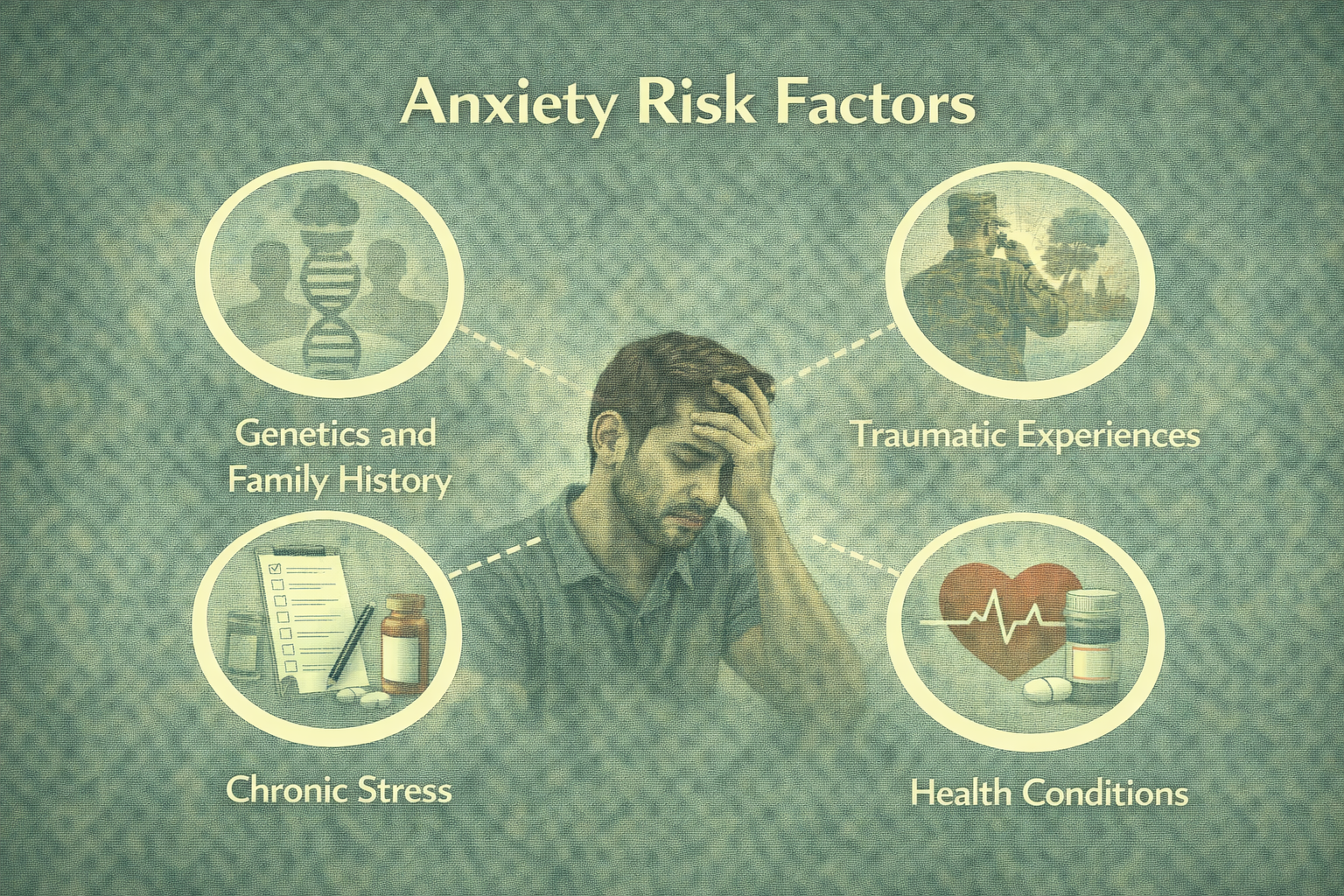
Common risk factors for anxiety encompass a broad range of influences. Biological elements, such as genetics, play a role by affecting brain chemistry and stress responses. Psychological factors, like personality traits, can heighten sensitivity to stressors. Environmental aspects, including chronic stress or trauma, often act as triggers. Research suggests that not everyone with these risk factors will develop anxiety, but awareness can aid in building resilience through lifestyle adjustments and support.
For instance, family history is a key example, as it combines genetic and learned behaviors. Chronic stress from work or relationships is another frequent contributor. Studies show that addressing these early may reduce the chances of full-blown disorders.
Risk Factors for Anxiety Disorders vs. Normal Anxiety
Normal anxiety is a temporary response to stress, like feeling nervous before a big event—it motivates and protects us. In contrast, anxiety disorders involve persistent, excessive fear that interferes with daily functioning. Anxiety risk factors can amplify normal responses into disorders by heightening brain activity in areas like the amygdala, which processes fear.
Research indicates that repeated exposure to stressors can lead to hyperactivity in these brain regions, turning adaptive anxiety into a chronic issue. This distinction is important for recognizing when professional help might be needed.
Overview of Anxiety Disorder Types
Anxiety disorders include generalized anxiety disorder (GAD), characterized by ongoing worry; panic disorder, with sudden intense fear; and social anxiety, involving fear of social situations. Many share common risk factors, such as genetics or trauma, but their manifestations differ. For example, GAD often links to chronic stress, while social anxiety may stem from early social experiences.
Understanding these types helps tailor approaches to specific anxiety risk factors. According to the NIMH, these disorders affect millions, with overlapping profiles that underscore the need for comprehensive awareness.
Research Shows: A 2023 systematic review published in PMC highlighted that genetic and environmental risk factors interact in up to 70% of anxiety disorder cases, emphasizing the multifaceted nature of these conditions.
For a broader foundation, see our guide on Signs of Mental Health Issues: Agoraphobia Understanding
Why Understanding Anxiety Risk Factors Matters
Grasping anxiety risk factors goes beyond mere knowledge—it can transform how you approach mental health. By identifying these elements, you can take proactive steps to mitigate their impact, potentially preventing or lessening anxiety symptoms. This understanding fosters empowerment, turning vulnerability into actionable insight.
Benefits for Personal Mental Health
Early identification of anxiety risk factors can prevent symptoms from escalating into full disorders. For example, knowing your genetic predisposition might encourage regular stress management practices. This awareness also empowers you to make informed lifestyle changes, like improving sleep or seeking support, which research suggests can reduce anxiety severity by up to 30%.
Impact on Prevention and Treatment
Recognizing risk factors reduces stigma around mental health, encouraging more people to seek help early. It also improves treatment outcomes, as therapies like cognitive behavioral therapy (CBT) can target specific risks. Studies show that personalized approaches based on individual risk profiles lead to better long-term results in medication and therapy.
Broader Societal Importance
On a larger scale, understanding anxiety risk factors supports public health initiatives in the USA, such as workplace wellness programs or school-based education. This can lead to reduced healthcare costs and improved community well-being, as anxiety affects productivity and relationships nationwide.
Genetic Risk Factors for Anxiety
Genetics play a significant role in anxiety risk factors, influencing how your brain processes stress and emotions. While no single “anxiety gene” exists, certain inherited traits can make you more prone to disorders. Research suggests that understanding these can help in early screening and personalized prevention.
Family History and Anxiety Risk
If close relatives have anxiety disorders, your risk increases 3-5 times due to shared genetics. Heritability estimates range from 30-40%, meaning genes account for about a third of anxiety vulnerability. These genes often affect neurotransmitters like serotonin and GABA, which regulate mood and calm.
For example, if a parent has GAD, children may inherit imbalances that heighten reactivity to stress. Discussing family history with a doctor can guide monitoring.
Genetic Studies and Findings
Genome-wide association studies (GWAS) have identified over 100 genes linked to anxiety, many overlapping with depression. These findings, from large-scale research like the UK Biobank, show how genetic variations influence brain circuits involved in fear responses.
Such studies highlight polygenic risks, where multiple small genetic effects combine to increase susceptibility.
Inherited Traits and Temperament
Traits like neuroticism—a tendency toward negative emotions—can heighten anxiety vulnerability. Inherited temperaments, such as being highly sensitive, may make everyday stressors feel overwhelming. Twin studies confirm that these traits have a genetic basis, interacting with environment to shape risk.
Expert Insight: As noted by psychologists from the American Psychological Association (APA), “Anxiety often arises from a complex interplay of inherited traits and life experiences, making early awareness key to resilience building.”
For a broader foundation, see our guide on Signs of Mental Health Issues: Panic Disorder Overview
Environmental Causes of Anxiety
Environmental factors are powerful contributors to anxiety risk factors, often interacting with genetics to trigger disorders. These include life events and surroundings that shape your stress response over time. Recognizing them can help you modify your environment for better mental health.
Trauma as Risk Factor for Anxiety
Experiencing trauma, such as childhood abuse or accidents, significantly raises lifetime anxiety risk. Studies show it can lead to PTSD comorbidity, with altered brain pathways heightening fear responses. For instance, survivors may develop hypervigilance, a hallmark of anxiety disorders.
Research suggests that early trauma rewires the stress system, making recovery challenging without support.
Stress and Anxiety Causes
Chronic stressors, like financial worries or high-pressure jobs, can trigger anxiety by overwhelming coping mechanisms. Prolonged stress elevates cortisol levels, which may contribute to disorders over time. In adults, ongoing demands often amplify underlying risks.
Addressing these through relaxation techniques may help, as evidence indicates reduced symptoms with stress management.
Childhood Experiences Causing Anxiety
Adverse childhood experiences, such as neglect or unstable homes, alter brain development and fight-or-flight responses. These can increase anxiety odds into adulthood, with studies linking them to heightened amygdala activity.
Building supportive environments early can mitigate these effects, per expert recommendations.
Important: If past trauma is affecting your daily life, consult a healthcare professional promptly—ignoring it can lead to worsening symptoms and co-occurring conditions like depression.
Lifestyle Factors Causing Anxiety
Your daily habits can act as anxiety risk factors, either exacerbating or alleviating vulnerability. Poor lifestyle choices often compound other risks, but positive changes can offer significant relief. Making adjustments here is often an accessible starting point.
Substance Use and Anxiety
Alcohol, caffeine, and recreational drugs can exacerbate anxiety symptoms, with withdrawal further increasing risk. For example, excessive caffeine stimulates the nervous system, mimicking anxiety. Research links substance use to a cycle of dependence and heightened worry.
Moderation or avoidance, under medical guidance, is recommended.
Diet, Exercise, and Sleep Influences
Poor diet, lack of exercise, and irregular sleep contribute to anxiety by disrupting neurotransmitter balance. Sedentary lifestyles may reduce endorphins, natural mood stabilizers. Studies show that inadequate sleep alone can amplify stress responses.
Incorporating balanced meals and routine activity can help stabilize these factors.
Occupational and Social Pressures
High-stress jobs or social isolation amplify anxiety risks by creating constant pressure or loneliness. In the USA, work-related stress affects millions, often leading to burnout. Building social connections can buffer these effects, as per social support research.
Psychological Risk Factors for Anxiety
Psychological elements form key anxiety risk factors, influencing how you perceive and respond to threats. These internal patterns can be modified through therapy, offering hope for change. Awareness is the first step in addressing them.
Personality Types Prone to Anxiety
Timid or avoidant personality traits increase anxiety susceptibility, with low self-esteem as a major predictor. People with these traits may overinterpret social cues as threatening. Research indicates that such dispositions, often rooted in early experiences, heighten overall risk.
Cognitive Patterns and Avoidance
Repetitive negative thinking, like rumination, fuels anxiety by reinforcing fears. Experiential avoidance—dodging uncomfortable situations—perpetuates the cycle. CBT studies show that challenging these patterns can reduce symptoms effectively.
Co-Occurring Mental Health Issues
Depression often co-occurs with anxiety, sharing risk factors like negative bias. This overlap can intensify symptoms, making treatment essential. Experts note that addressing both simultaneously yields better outcomes.
Medical Conditions That Cause Anxiety
Certain medical issues can mimic or trigger anxiety, making them important risk factors to consider. Always rule out physical causes with a doctor. Understanding these links ensures comprehensive care.
Physical Health Links to Anxiety
Conditions like thyroid disorders, heart disease, or chronic pain can produce anxiety-like symptoms through physiological stress. For example, hyperthyroidism speeds up metabolism, leading to restlessness. Research from the Mayo Clinic emphasizes evaluating these first.
Medication and Substance-Induced Anxiety
Side effects from medications or withdrawal can induce anxiety. Stimulants or corticosteroids are common culprits. Monitoring with a healthcare provider is key to distinguishing these from primary anxiety.
Gender and Age Considerations
Women are twice as likely to develop anxiety, possibly due to hormonal factors, with peaks between ages 25-55. This demographic faces unique stressors like caregiving. Studies highlight the need for gender-specific approaches.
If you’re concerned, consider using reliable anxiety screening tools like those from the ADAA. Many people find apps such as Calm or Headspace helpful for initial self-monitoring, offering guided assessments and coping strategies.
How to Identify Your Anxiety Risk Factors
Identifying personal anxiety risk factors involves self-reflection and possibly professional input. This process can clarify why anxiety arises and guide next steps. Start small to avoid overwhelm.
Self-Assessment Steps
Begin by tracking family history and personal experiences that might contribute. Journal daily stressors and symptoms to spot patterns. This simple habit can reveal hidden triggers.
When to Seek Professional Help
If identified risks align with persistent symptoms interfering with life, seek help promptly. Signs include constant worry or avoidance behaviors. Early intervention improves prognosis.
Tools and Resources
Use online quizzes from reputable sources like ADAA or NIMH for initial insights. These tools provide scores and suggestions, but they’re not diagnostic.
Pro Tip: Keep a “risk factor diary” for two weeks, noting daily moods alongside potential triggers like caffeine intake or stress events—this can uncover personalized patterns that standard assessments miss.
Best Practices / Expert Tips
Implementing best practices can help manage anxiety risk factors effectively. These evidence-based tips focus on building habits that promote resilience. Consistency is key for lasting benefits.
Daily Habits to Reduce Risks
Incorporate exercise, mindfulness practices, and social support into your routine. Walking 30 minutes daily may lower anxiety by regulating stress hormones. Mindfulness apps can aid in starting small.
Professional Interventions
Therapies like CBT address cognitive risks, while medication may help balance chemistry if needed. Research shows CBT reduces symptoms in 60-80% of cases.
Long-Term Strategies
Build resilience through coping skills training, such as problem-solving workshops. Long-term, these foster independence from anxiety triggers.
Scientific Evidence & Research
The understanding of anxiety risk factors is grounded in robust scientific evidence. Studies reveal how genetics, environment, and lifestyle interplay to influence vulnerability. This research informs treatments and prevention.
Clinical Studies
A systematic review in PMC (2023) identified low self-esteem, childhood abuse, and family history as common risks across anxiety disorders. It emphasized gene-environment interactions, where trauma amplifies genetic predispositions.
Another study in the Journal of Anxiety Disorders found that adverse childhood events increase anxiety odds by 2-3 times.
Expert Opinions
The APA states that anxiety results from complex genetic-environmental interactions, with Yale experts noting shared genes between anxiety and depression. They advocate for integrated approaches considering both factors.
Statistical Data
According to the ADAA, 31.1% of U.S. adults experience anxiety disorders in their lifetime, with women twice as likely. GAD affects 6.8 million adults (3.1%), and social anxiety impacts 7.1%.
Common Mistakes to Avoid
Avoiding common pitfalls when dealing with anxiety risk factors can prevent unnecessary escalation. These errors often stem from misunderstanding or denial. Learning better approaches empowers better outcomes.
Mistake #1: Ignoring Family History
Dismissing family history misses genetic predispositions, delaying needed interventions. This can allow symptoms to worsen unchecked. Instead, discuss it with healthcare providers for tailored screening and early strategies.
Mistake #2: Downplaying Environmental Stressors
Minimizing chronic stress lets it build, potentially triggering disorders. It’s problematic because the body adapts poorly to ongoing pressure. A better approach is addressing it through therapy or lifestyle changes, like setting boundaries.
Mistake #3: Relying on Self-Medication
Using substances like alcohol to cope worsens anxiety long-term by disrupting brain chemistry. This creates a vicious cycle. Seek professional treatment options, such as prescribed medications or counseling, for sustainable relief.
Frequently Asked Questions (FAQs)
What Causes Generalized Anxiety Disorder?
GAD is caused by a mix of genetic predisposition, brain chemistry imbalances, and environmental stressors like chronic worry. Risk factors include family history and trauma. Details: Studies show heritability of 30-40%, with triggers like ongoing stress amplifying symptoms in adults. If worry persists, consult a healthcare provider for evaluation.
Causes of Anxiety in Adults?
In adults, anxiety stems from stress buildup, medical conditions, and lifestyle factors such as poor sleep or substance use. Details: ADAA reports 31.1% lifetime prevalence, often linked to work pressures or health issues like thyroid problems. Lifestyle modifications may help, but professional assessment is recommended for persistent cases.
Anxiety Risk Factors in Children?
Children face risks from trauma, family history, and environmental factors like bullying or parental anxiety. Details: Early experiences alter brain development, increasing lifetime odds; NIMH notes onset often by age 13 for social anxiety. Parents should monitor and seek pediatric mental health support if signs appear.
Risk Factors for Social Anxiety?
Social anxiety risks include genetic traits, childhood shyness, and negative social experiences. Details: Affects 7.1% of USA adults; avoidance behaviors reinforce it, per Mayo Clinic. Therapy can address these, but early intervention is key—talk to a professional if social fears impact life.
Are There Lifestyle Factors Causing Anxiety?
Yes, poor diet, lack of exercise, and high caffeine intake can cause or worsen anxiety. Details: Research links sedentary lifestyles to increased neurotransmitter imbalances. Making gradual changes, like adding walks, may reduce risks—consult a doctor before major shifts.
How Do Medical Conditions Cause Anxiety?
Conditions like heart disease or hyperthyroidism mimic or trigger anxiety symptoms. Details: Mayo Clinic highlights links to chronic illnesses, urging medical evaluation. Ruling out physical causes ensures accurate treatment—see your provider for comprehensive checks.
Is Trauma a Risk Factor for Anxiety?
Trauma significantly raises anxiety risk by altering stress responses. Details: Childhood abuse increases odds; PTSD often co-occurs, per WHO. Healing through therapy is possible, but seek help if flashbacks or avoidance occur.
Conclusion
Recognizing anxiety risk factors offers profound benefits, from preventing symptom escalation to enhancing daily quality of life. By understanding genetic, environmental, and lifestyle influences, you gain tools to proactively manage your mental health, reducing the hold anxiety might have. This knowledge empowers informed decisions, leading to greater resilience and peace.
Restate the primary value: Awareness of these anxiety risk factors is essential for taking control and seeking timely support. Assess your own risks today—perhaps by journaling experiences or using an ADAA quiz.
Medical Disclaimer:
This article is for informational and educational purposes only and does not constitute medical advice. The information provided should not be used for diagnosing or treating a health problem or disease. Always consult with a qualified healthcare professional before making any changes to your mental health treatment, starting new medications, or trying new supplements.
If you’re experiencing a mental health crisis, please call the 988 Suicide & Crisis Lifeline or visit your nearest emergency room. For non-emergency support, contact the Substance Abuse and Mental Health Services Administration (SAMHSA) National Helpline at 1-800-662-4357.
The content in this article is based on current research and expert consensus as of 2026, but medical knowledge evolves. Always verify information with your healthcare provider.