Anxiety disorders affect nearly 19.1% of U.S. adults each year, impacting over 40 million people and making it one of the most common mental health challenges in the country. If you’re constantly battling racing thoughts, physical tension, or overwhelming worry that disrupts your work, relationships, or daily life, you’re not alone. These symptoms can lead to isolation, sleep disturbances, and even physical health issues if left unaddressed.
This comprehensive guide dives into various anxiety medication options to help you understand your choices. You’ll learn about prescription medications, over-the-counter alternatives, and natural remedies, along with insights on side effects, how to select the right one, and ways to integrate them with lifestyle changes for better outcomes. Drawing from evidence-based sources like the Mayo Clinic and NIH, this information empowers you to make informed decisions with your healthcare provider.
For a broader foundation, see our guide on Signs of Mental Health Issues: Specific Phobias Explained
What Are Anxiety Medication Options?
Anxiety medication options encompass a range of treatments designed to alleviate symptoms of disorders like generalized anxiety disorder (GAD), panic disorder, and social anxiety. These options target imbalances in brain chemicals, such as serotonin and gamma-aminobutyric acid (GABA), to reduce excessive worry, physical symptoms, and emotional distress. While medications can provide significant relief, they’re most effective when combined with therapy, offering a holistic approach to managing anxiety.
Understanding these anxiety medication options helps you navigate choices tailored to your needs. From quick-acting relief for acute episodes to long-term management, the goal is symptom reduction under professional guidance.
Overview of Anxiety and Treatment Needs
Anxiety disorders, including GAD, panic disorder, and social anxiety, involve persistent fear or worry that interferes with daily functioning. Medications work by modulating neurotransmitters to calm the nervous system. For instance, they can ease rapid heartbeat, muscle tension, and intrusive thoughts.
However, medication alone isn’t a cure. Research emphasizes combining it with cognitive behavioral therapy (CBT) for sustained results, as therapy addresses root causes while drugs manage symptoms. This integrated approach often yields the best outcomes.
Classes of Medications for Anxiety
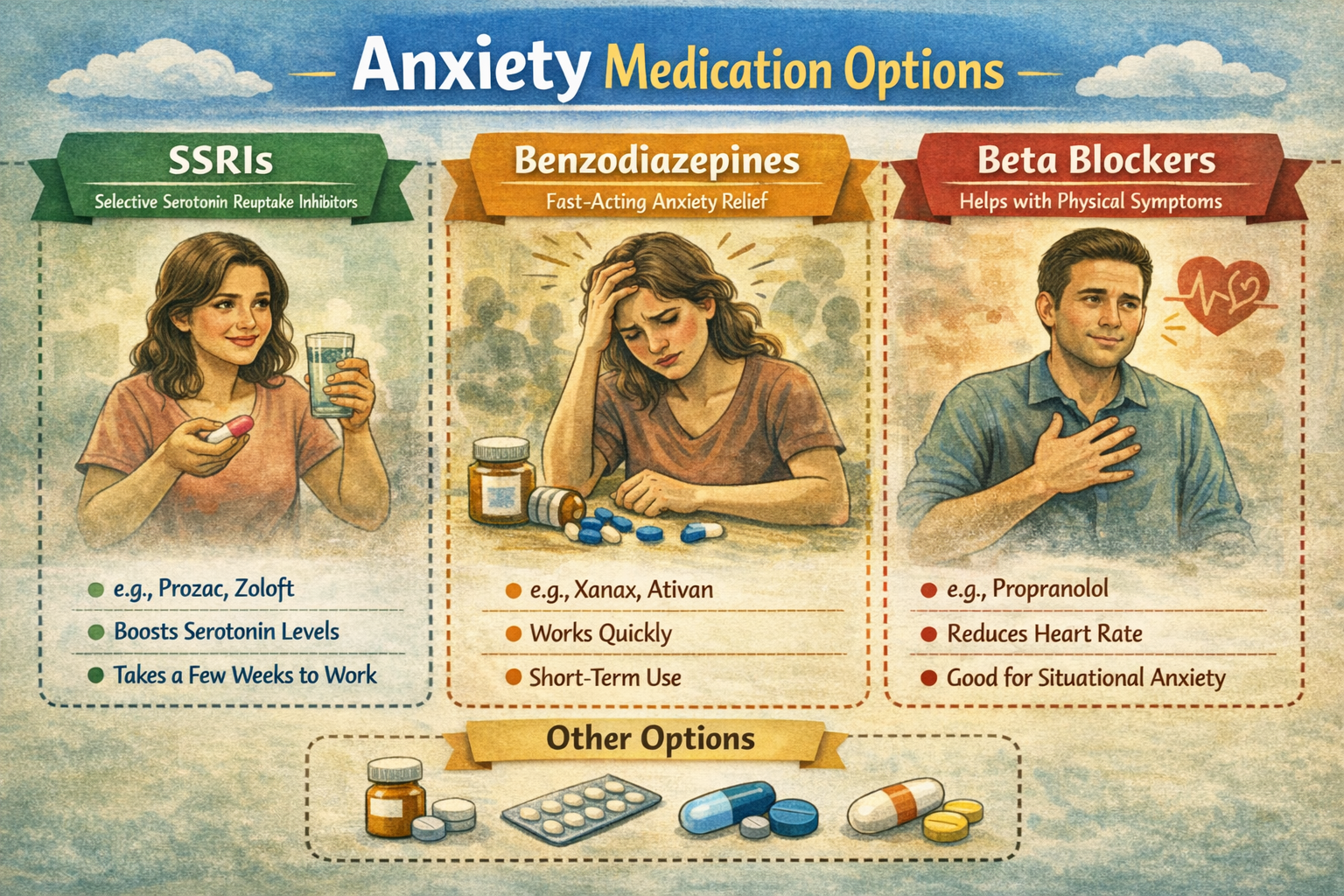
Selective serotonin reuptake inhibitors (SSRIs) and serotonin-norepinephrine reuptake inhibitors (SNRIs) serve as first-line treatments, promoting balanced brain chemistry over time. Benzodiazepines offer short-term relief by enhancing GABA effects, quickly reducing acute anxiety.
Other anxiety medication options include buspirone for ongoing worry and beta-blockers for physical symptoms like trembling during social situations. Each class has unique benefits, but selection depends on symptom severity and individual health.
When Medication Is Recommended
Medication is typically advised for moderate to severe anxiety not responsive to lifestyle changes like exercise or mindfulness. It’s crucial under medical supervision to monitor effectiveness and adjust as needed.
Always start with a thorough evaluation to ensure anxiety medication options align with your overall health.
Research Shows:
A meta-analysis found that SSRIs like fluoxetine rank highest for response in generalized anxiety disorder, with a 62.9% probability of efficacy.
For a broader foundation, see our guide on Signs of Mental Health Issues: Complete Guide to Anxiety Disorders
Why Consider Anxiety Medication Options?
Exploring anxiety medication options can be a pivotal step toward reclaiming your life from debilitating symptoms. Untreated anxiety doesn’t just linger; it can escalate, affecting everything from productivity to personal connections. By addressing it proactively, you open doors to improved well-being and resilience.
Benefits of Managing Anxiety with Medication
Medication often reduces physical manifestations like rapid heartbeat and muscle tension, allowing you to engage more fully in daily activities. It can enhance overall functioning, boosting mood and energy levels.
Moreover, effective management prevents anxiety from worsening into more severe conditions, fostering long-term mental health stability.
Risks of Untreated Anxiety
Without intervention, anxiety heightens the risk of co-occurring issues like depression, insomnia, and chronic illnesses such as hypertension. It strains relationships and impairs work performance, leading to isolation.
Prolonged stress from untreated anxiety also weakens the immune system, increasing vulnerability to physical ailments.
Integrating Medication with Other Therapies
Pairing medication with CBT or mindfulness practices amplifies benefits, teaching coping skills for lasting control. This combination often leads to reduced reliance on drugs over time.
For a broader foundation, see our guide on Signs of Mental Health Issues: Understanding Your Anxiety
Types of Prescription Anxiety Medication Options
Prescription anxiety medication options provide targeted relief for various symptoms, from chronic worry to sudden panic. These include antidepressants and anxiolytics, often compared in tables for their uses, pros, and cons. Understanding these helps in making informed choices with your doctor.
Non Addictive Anxiety Medication List
SSRIs such as sertraline (Zoloft) and escitalopram (Lexapro) are non-addictive and effective for long-term use. SNRIs like venlafaxine (Effexor) and duloxetine (Cymbalta) also fit this category, balancing serotonin and norepinephrine.
Buspirone offers another non-addictive option specifically for generalized anxiety, with fewer sedative effects.
Best Medication for Social Anxiety
Paroxetine (Paxil) or sertraline are often first-line for social anxiety, reducing fear in social settings. Beta-blockers like propranolol help with performance-related symptoms by blocking adrenaline surges.
These can improve confidence in interactions.
Anxiety Medication for Panic Attacks
Benzodiazepines such as alprazolam (Xanax) provide rapid relief for acute panic. For prevention, SSRIs are used long-term to decrease attack frequency.
Balance quick relief with sustainable options.
Prescription Anxiety Medication Names
Common benzodiazepines include lorazepam (Ativan), clonazepam (Klonopin), and diazepam (Valium). These are for short-term use due to dependence risks.
Consult your provider for personalized prescriptions.
| Class | Examples | Uses | Pros | Cons |
| SSRIs | Sertraline, Escitalopram | GAD, Social Anxiety | Non-addictive, Long-term | 4-6 weeks to effect |
| SNRIs | Venlafaxine, Duloxetine | GAD, Panic | Dual action | Possible blood pressure rise |
| Benzodiazepines | Alprazolam, Lorazepam | Acute Panic | Fast-acting | Dependence risk |
Expert Insight:
According to APA guidelines, SSRIs and SNRIs are recommended as first-line treatments for anxiety disorders due to their efficacy and safety profile.
Over-the-Counter and Natural Anxiety Medication Options
For milder symptoms, over-the-counter (OTC) and natural anxiety medication options offer accessible alternatives. These can complement prescriptions or serve as starting points, but always check with a doctor for interactions.
Over the Counter Anxiety Meds
Antihistamines like hydroxyzine provide mild sedation for occasional anxiety. Supplements such as magnesium or omega-3 fatty acids support nervous system health, potentially easing tension.
These are readily available but vary in effectiveness.
Best Natural Anxiety Medication Options
Herbal remedies including chamomile and lemon balm calm the mind through tea or capsules. Ashwagandha, an adaptogen, helps regulate stress responses.
Essential oils like lavender promote relaxation via aromatherapy.
Natural Alternatives to Anxiety Medication
Lifestyle changes—regular exercise, meditation, and balanced diet—act as natural buffers against anxiety. Vitamins like B-complex and vitamin D address deficiencies linked to mood issues.
These foster resilience without side effects.
Herbal Anxiety Medication Reviews
Kava shows promise for mild anxiety but requires caution due to liver concerns. Valerian root aids sleep-related anxiety, with studies indicating benefits, though more research is needed.
Consult professionals before use.
Important:
While natural options like chamomile can reduce anxiety symptoms, they’re not substitutes for severe cases—always consult a doctor to avoid interactions.
Special Considerations for Anxiety Medication Options
Certain populations require tailored anxiety medication options to ensure safety and efficacy. Factors like age, pregnancy, and health conditions influence choices, emphasizing personalized care.
Safe Anxiety Medication During Pregnancy
SSRIs like sertraline are generally safer during pregnancy, with low risks when benefits outweigh potential concerns. Avoid benzodiazepines due to developmental risks.
Consult an OB-GYN for balanced decisions.
Anxiety Medication for Elderly Patients
Prefer SSRIs like escitalopram for elderly patients, starting at low doses to minimize side effects. Avoid benzodiazepines, as they increase fall risks and cognitive issues.
Regular monitoring is essential.
Anxiety Medication Options for Adults
For adults, options are tailored to age and comorbidities, favoring non-addictive choices like SSRIs. Consider lifestyle and therapy integration for comprehensive management.
Pro Tip:
For elderly patients, combining low-dose SSRIs with non-drug therapies like gentle yoga can enhance benefits while reducing medication needs.
How to Choose Anxiety Medication
Selecting the right anxiety medication involves careful consideration and professional input. This step-by-step process ensures it aligns with your symptoms and lifestyle.
- Assess your symptoms and medical history with a provider.
- Discuss potential side effects and interactions.
- Start with a trial period, monitoring responses.
- Adjust as needed based on efficacy.
Factors to Consider
Evaluate symptom type—chronic vs. acute—and severity. Account for personal health, like heart conditions, which may limit options.
Consulting a Healthcare Professional
Engage a doctor or psychiatrist to explore options. They guide trials and adjustments, ensuring safe use.
Open dialogue is key.
Monitoring and Adjusting Treatment
Track symptoms via journaling and report changes. Regular check-ins allow for timely modifications.
Patience is vital during onset periods.
Failed to load image
View link
Alt text: Flowchart guiding selection of anxiety medication options
Schedule a consultation with a mental health provider today for personalized guidance.
Common Side Effects of Anxiety Meds
While effective, anxiety meds can cause side effects that vary by class. Awareness helps in management and adherence.
Typical Side Effects Across Classes
Common issues include nausea, dizziness, drowsiness, and dry mouth. These often diminish over time.
Monitor for persistence.
Anxiety Medication Without Weight Gain
Options like bupropion or buspirone are less likely to cause weight gain. Discuss preferences with your doctor.
Tailoring minimizes this concern.
Managing and Minimizing Side Effects
Stay hydrated, take meds with food, and gradually increase doses. Lifestyle tweaks like exercise aid tolerance.
Best Practices for Using Anxiety Medication
Adhering to best practices maximizes benefits from anxiety medication while minimizing risks. Consistency and integration are crucial.
Dosage and Timing Guidelines
Follow prescriptions precisely, taking meds at consistent times. Avoid skipping doses to maintain steady levels.
Lifestyle Integration
Combine with exercise, healthy eating, and sleep routines. These enhance medication efficacy.
Long-Term Management Tips
Schedule regular provider visits and taper slowly if discontinuing. Build coping skills for reduced dependence.
Scientific Evidence & Research
Research underscores the value of anxiety medication, with studies highlighting efficacy and guidelines shaping use.
Clinical Studies
SSRIs demonstrate efficacy in 50-70% of patients, reducing symptoms significantly per meta-analyses.
Expert Opinions
The APA endorses SSRIs/SNRIs as first-line, citing balanced benefits.
Statistical Data
Benzodiazepines offer short-term relief but carry dependence risks, with misuse affecting 2.3-18% of users. Natural options like chamomile show promise in trials for mild anxiety.
Common Mistakes to Avoid
Steering clear of pitfalls ensures safer, more effective use of anxiety medication.
Mistake #1: Stopping Medication Abruptly
This leads to withdrawal and rebound anxiety. Better: Taper gradually under guidance.
Mistake #2: Mixing with Alcohol or Other Substances
Heightens sedation and risks. Better: Avoid and inform your doctor of all intakes.
Mistake #3: Not Combining with Therapy
Medication treats symptoms, not causes. Better: Adopt a holistic plan with CBT.
Frequently Asked Questions (FAQs)
What Are the Best Anxiety Meds Without Addiction?
SSRIs like sertraline and escitalopram are non-addictive first-line options, effective for long-term use without the dependence risks of benzodiazepines. They typically take 4-6 weeks to fully work but offer sustained relief. Discuss with your provider for personalization.
Is There Anxiety Medication Without Weight Gain?
Options like bupropion or buspirone may minimize weight gain compared to some SSRIs. Your doctor can tailor based on side effect profiles, monitoring changes. Lifestyle factors also influence this.
What Are Safe Anxiety Medication Options During Pregnancy?
SSRIs such as sertraline are generally considered safer during pregnancy, with benefits often outweighing minimal risks. Consult an OB-GYN to evaluate individual circumstances and monitor closely.
How Effective Are Natural Alternatives to Anxiety Medication?
Herbs like chamomile and lavender show mild efficacy in studies, best as complements rather than replacements for severe anxiety. They may help with relaxation but lack robust evidence for all cases.
What Are Common Side Effects of Anxiety Meds?
Common side effects include nausea, dizziness, and fatigue; most subside over time, but report persistent ones to your provider. Management strategies can mitigate them.
How to Choose Anxiety Medication for Panic Attacks?
Benzodiazepines provide acute relief within 30-60 minutes, while SSRIs prevent recurrence over 4-6 weeks. Start with a professional evaluation for balanced treatment.
Are There Anxiety Medication Options for Elderly Patients?
SSRIs like escitalopram are preferred for elderly patients; avoid benzodiazepines due to increased fall risks and cognitive concerns. Low doses and monitoring are key.
Conclusion
Anxiety medication options, when chosen wisely, offer substantial relief, enhancing daily functioning and overall quality of life. From SSRIs providing long-term stability to natural alternatives supporting mild symptoms, a balanced approach under professional guidance ensures safety and effectiveness. Remember, integrating therapy and lifestyle changes amplifies these benefits, reducing reliance on meds alone.
Take the next step: Consult a healthcare provider to explore personalized options. Empowerment comes from informed choices, leading to better mental health and a more fulfilling life.
Medical Disclaimer:
This article is for informational purposes only and not a substitute for professional medical advice. Always consult a doctor before starting any treatment. If you’re experiencing a mental health crisis, call the 988 Suicide & Crisis Lifeline or visit your nearest emergency room. For non-emergency support, contact the Substance Abuse and Mental Health Services Administration (SAMHSA) National Helpline at 1-800-662-4357.
The content is based on current research and expert consensus as of 2026, but medical knowledge evolves. Always verify information with your healthcare provider.