Did you know that anxiety disorders affect about 19.1% of U.S. adults each year, with women experiencing them at a rate of 23.4% compared to 14.3% for men? This disparity means millions of women grapple with overwhelming worry that disrupts their daily lives.
If you’re a woman between 25 and 55 feeling the weight of persistent anxiety in women—perhaps racing thoughts during work meetings, sleepless nights due to family concerns, or physical tension from hormonal shifts—you’re not alone. These symptoms can stem from a mix of biological, social, and environmental factors, often leaving you exhausted and isolated.
This article explores anxiety in women comprehensively, from understanding its definitions and unique signs to uncovering causes like hormonal changes. You’ll learn evidence-based ways to manage and treat it, including natural remedies, professional options, and common pitfalls to avoid.
Backed by research from trusted sources like the National Institute of Mental Health (NIMH) and the Anxiety and Depression Association of America (ADAA), this guide empowers you to take informed steps toward relief. Remember, seeking help is a strength, and many women find significant improvement with the right strategies.
For a broader foundation, see our guide on Signs of Mental Health Issues: Panic Disorder Overview
What is Anxiety in Women?
Anxiety in women often manifests differently due to hormonal influences and life roles, making it essential to understand its core. At its heart, anxiety is a natural response to stress, but when it becomes chronic, it can evolve into disorders that affect emotional well-being and physical health. Research suggests women are nearly twice as likely to develop these conditions, with factors like brain chemistry playing a key role. This section breaks down common types, helping you recognize if anxiety in women is impacting your life.
Anxiety Disorders in Women
Common anxiety disorders include generalized anxiety disorder (GAD), panic disorder, and social anxiety disorder. GAD involves excessive worry about everyday matters, while panic disorder features sudden, intense fear episodes. Social anxiety centers on fear of judgment in social settings. According to NIMH data, women face a lifetime prevalence of about 31.1% for any anxiety disorder, compared to lower rates in men.
This higher prevalence can disrupt work productivity, strain relationships, and lead to avoidance behaviors. For instance, a woman juggling career and family might find simple tasks overwhelming, reducing her quality of life. Studies show these disorders often co-occur with other issues like depression, amplifying the impact.
Generalized Anxiety in Women
With generalized anxiety in women, worry extends to health, finances, or loved ones, persisting for at least six months. It frequently overlaps with depression, creating a cycle of emotional exhaustion. Symptoms like muscle tension, restlessness, and sleep issues are common, affecting daily functioning.
Research from ADAA indicates GAD affects 3.1% of U.S. adults annually, with women twice as likely. Hormonal fluctuations can exacerbate this, but early recognition helps. Lifestyle adjustments, like regular exercise, may ease symptoms, as supported by clinical reviews.
Social Anxiety in Women
Social anxiety in women involves intense fear of social interactions, often tied to societal expectations around appearance or performance. This can lead to avoidance of gatherings or professional opportunities, limiting personal growth. Women may experience it more severely due to cultural pressures.
Avoidance reinforces the fear, creating isolation. Evidence-based therapies encourage gradual exposure, showing improvement in 60-80% of cases per meta-analyses. Understanding this helps women seek support without shame.
Research Shows: A 2024 NIMH report highlights that women with social anxiety report higher impairment in relationships, with 38% experiencing severe symptoms versus 26% in men.
For a broader foundation, see our guide on Signs of Mental Health Issues: Complete Guide to Anxiety Disorders
Signs of Anxiety in Women
Recognizing signs of anxiety in women is the first step toward management. These can blend emotional, physical, and cognitive elements, often intensified by life stages. If you notice patterns like constant edginess or unexplained fatigue, it might be more than stress. Here’s a closer look at key indicators.
Anxiety Symptoms in Women
Persistent nervousness, irritability, or restlessness marks emotional symptoms, while physical ones include rapid heartbeat, sweating, and shortness of breath. Cognitive signs, like trouble concentrating or racing thoughts, can mimic other issues.
Women might dismiss these as “normal,” but when they persist, they signal anxiety. A balanced diet and sleep can help, but professional evaluation is key if symptoms disrupt life.
Anxiety Attacks in Women
Anxiety attacks in women strike suddenly, with overwhelming fear of doom or loss of control. Triggers like stress or hormonal shifts during cycles can spark them, lasting minutes to hours.
Frequency varies, but repeated episodes warrant attention. Breathing techniques may provide immediate relief, as studies suggest they activate calming responses.
Anxiety and Depression in Women
Anxiety and depression in women often overlap, with anxiety fueling depressive hopelessness. This comorbidity raises risk, leading to emotional fatigue.
ADAA notes higher rates in women due to hormonal links. Addressing both through therapy improves outcomes significantly.
Important: If anxiety symptoms include thoughts of self-harm, contact the 988 Suicide & Crisis Lifeline immediately. Early intervention prevents escalation.
Causes of Anxiety in Women
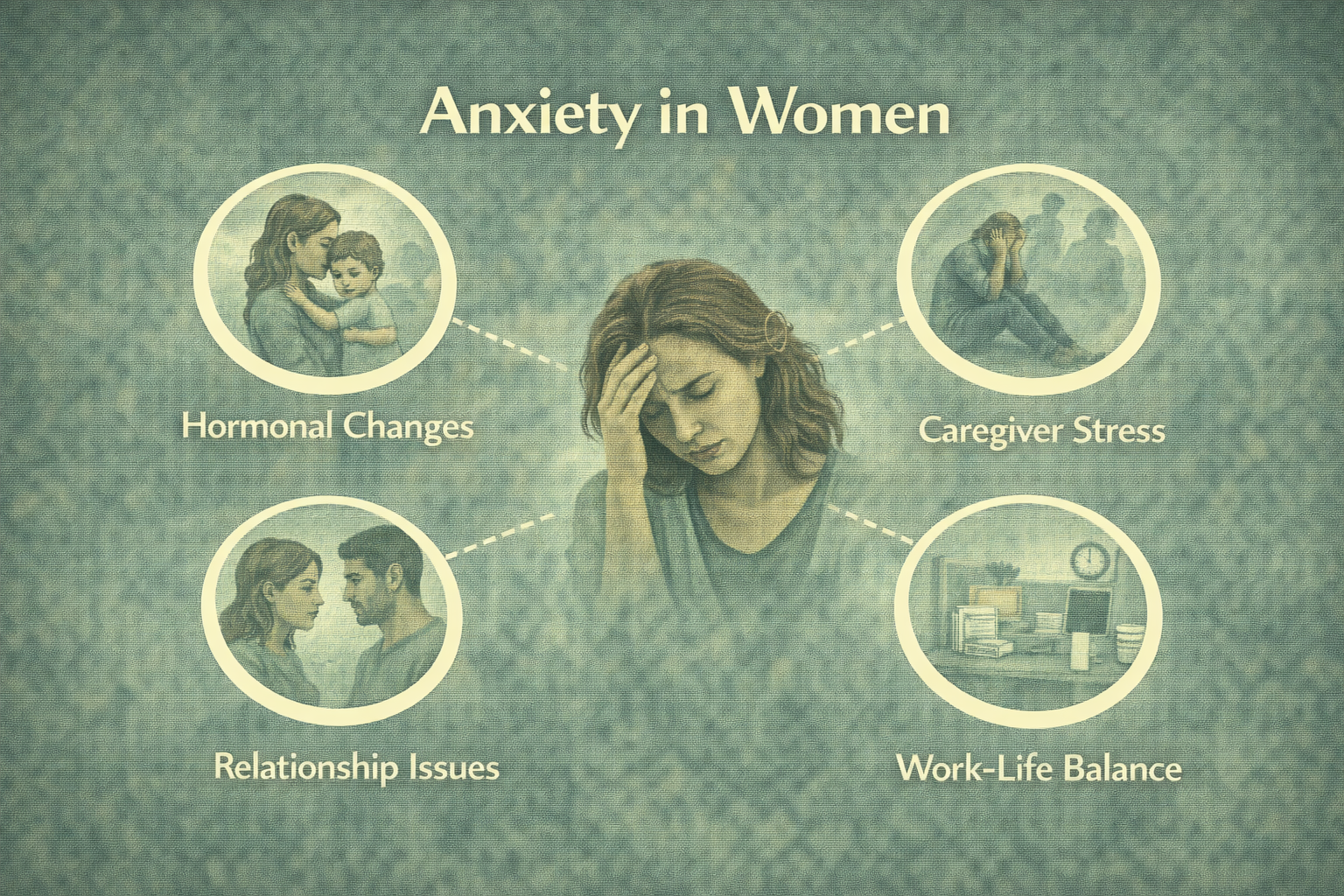
Anxiety in women arises from a complex interplay of factors, often amplified by life transitions. Understanding these helps tailor management. Biological elements like genetics play a role, but hormonal and environmental triggers are prominent in women.
Hormonal Anxiety in Women
Hormonal anxiety in women stems from fluctuations in estrogen and progesterone during menstrual cycles, pregnancy, or menopause. These changes can heighten vulnerability, leading to mood instability.
For example, premenstrual syndrome (PMS) affects up to 75% of women, with anxiety as a symptom. Research suggests balancing hormones through lifestyle may mitigate this.
Postpartum Anxiety in Women
Postpartum anxiety in women involves intense worry about the baby’s well-being or parental adequacy, affecting about 10-15% of new mothers. It’s linked to hormonal drops post-delivery and sleep deprivation.
This can manifest as intrusive thoughts, differing from postpartum depression. Support groups and therapy are effective, per clinical guidelines.
Anxiety During Menopause Symptoms
Anxiety during menopause symptoms includes amplified worry amid hot flashes and mood swings. Midlife stressors like career shifts compound this, increasing GAD risk.
Studies show 15-50% of perimenopausal women experience heightened anxiety. Hormone therapy, under medical guidance, may help.
Expert Insight: As a psychiatrist might note, “Hormonal shifts don’t cause anxiety alone, but they lower the threshold for triggers—addressing them holistically is crucial.”
For a broader foundation, see our guide on Signs of Mental Health Issues: Teen Anxiety Issues
Why Does Anxiety Affect Women More?
Anxiety affects women more due to intertwined biological and societal factors. This gender gap highlights the need for targeted awareness. Exploring prevalence and contributors reveals why women bear a heavier burden.
Gender Differences in Anxiety Prevalence
Women are nearly twice as likely to develop anxiety due to brain chemistry differences and hormones like estrogen influencing serotonin. Societal biases and multiple roles—caregiving, work—add stress.
Higher comorbidity with depression or eating disorders is common. Addressing these requires gender-sensitive approaches.
Statistical Data on Anxiety in Women
Past-year prevalence stands at 23.4% for women versus 14.3% for men, per NIMH. Lifetime ratios show a 1:1.7 male-to-female disparity, with greater impact in North America.
These stats underscore the need for accessible care. Disproportionate effects tie to reproductive health events.
Contributing Factors Beyond Biology
Trauma, caregiving stress, and cultural expectations heighten risk. Reproductive events like pregnancy increase vulnerability.
Environmental triggers, such as discrimination, exacerbate this. Building resilience through community support helps.
How to Reduce Anxiety in Women
Reducing anxiety in women involves practical, evidence-based steps tailored to daily life. Start small for sustainable change. This section offers actionable tips for long-term relief.
Managing Anxiety in Women
Daily mindfulness, like 10-minute meditation, calms the mind. Building support networks—friends or therapy—provides outlets. Lifestyle shifts, including 30 minutes of exercise and balanced meals, regulate mood.
Research suggests these reduce symptoms by 30-40%. Consistency is key.
Natural Remedies for Womens Anxiety
Herbal options like chamomile tea or valerian may ease mild anxiety, but consult a doctor first. Yoga combines movement and breath for relaxation. Aromatherapy with lavender promotes calm, per small studies.
These complement, not replace, professional care—especially if pregnant.
Best Practices for Long-Term Relief
Journaling tracks triggers, fostering awareness. Setting boundaries prevents overload. Prioritizing sleep hygiene, like consistent bedtimes, supports recovery.
Integrate these for gradual improvement.
Pro Tip: Pair journaling with a gratitude practice; noting three positives daily shifts focus from worry, as supported by positive psychology research.
Anxiety Treatment for Women
Effective anxiety treatment for women considers unique factors like hormones. Options range from therapy to meds, with combinations often best. Consult professionals for personalized plans.
Professional Treatments Available
Cognitive behavioral therapy (CBT) reframes thoughts, effective in 60-80% of cases. Medications like SSRIs, tailored for women, balance chemicals. Holistic like acupuncture provides adjunct relief.
Compare: CBT offers skills; meds quick symptom control.
When to Seek Help
Seek help if anxiety disrupts daily life, persists over six months, or includes panic. Co-occurring issues like depression signal urgency.
Early intervention prevents worsening, per guidelines.
Expert Tips for Effective Treatment
Personalize plans for hormonal phases. Combine therapy with self-care for synergy. Monitor progress quarterly with providers.
This holistic approach yields lasting results.
Scientific Evidence & Research
Backing anxiety management with science builds trust. This section reviews key studies, opinions, and data on anxiety in women.
Clinical Studies
NCS-R data shows women with 30.5% lifetime anxiety rates versus 19.2% in men. Hormonal studies link pregnancy to increased OCD risk, with estrogen fluctuations key.
Meta-analyses confirm CBT’s efficacy.
Expert Opinions
ADAA experts highlight women’s comorbidity burden, urging integrated care. Psychologists note gender differences in coping, with women benefiting from relational therapies.
Statistical Data
GAD impacts 6.8 million adults, twice as many women. Panic disorders follow suit.
These underscore targeted interventions.
Explore NIH on anxiety; PMC on gender differences.]
Common Mistakes to Avoid
Avoiding pitfalls enhances anxiety management. Here are three common errors with better paths.
Mistake #1: Avoiding Triggers
This reinforces fear, shrinking your world. Gradual exposure builds tolerance, as CBT teaches.
Mistake #2: Believing Every Anxious Thought
It amplifies unfounded worry. Challenge with evidence and mindfulness for balance.
Mistake #3: Beating Yourself Up for Feeling Anxious
Self-criticism worsens cycles. Embrace self-compassion, treating yourself kindly.
Frequently Asked Questions (FAQs)
What are the signs of anxiety in women?
Signs include persistent worry, irritability, rapid heart rate, shortness of breath, fatigue, and trouble sleeping. Women may also experience hormonal-related symptoms like mood swings during menopause or postpartum periods. These can vary in intensity, but if they interfere with work or relationships, professional evaluation is recommended. Research suggests early recognition leads to better outcomes.
What causes anxiety in women?
Causes range from hormonal fluctuations (e.g., during pregnancy or menopause) to stress, trauma, genetics, and societal pressures. Women are more prone due to brain chemistry differences and higher exposure to stressors like caregiving roles. Environmental factors like discrimination can compound this. Always discuss with a doctor to rule out medical issues.
How can women manage anxiety naturally?
Natural methods include mindfulness meditation, regular exercise, herbal teas like chamomile, deep breathing exercises, and maintaining a balanced diet. These may reduce mild symptoms, with studies showing exercise comparable to meds for some. Always consult a doctor before starting remedies, especially if pregnant, to ensure safety.
Is anxiety more common in women than men?
Yes, women are nearly twice as likely to develop anxiety disorders, with past-year prevalence around 23.4% versus 14.3% in men. Factors include hormones, reproductive events, and cultural expectations contributing to this disparity. NIMH data highlights this gap, emphasizing the need for gender-focused research.
When should women seek treatment for anxiety?
Seek help if anxiety persists for over six months, causes panic attacks, or disrupts work, relationships, or sleep. Early intervention with therapy or medication can prevent worsening. If severe, like with suicidal thoughts, contact 988 immediately. Professional guidance tailors effective plans.
Can hormonal changes cause anxiety in women?
Yes, shifts during menstrual cycles, pregnancy, postpartum, or menopause can trigger or worsen anxiety due to estrogen and progesterone fluctuations. For instance, postpartum affects 10-15% of women. Managing these through lifestyle and medical support helps, but consult providers for personalized advice.
What are effective treatments for anxiety in women?
Treatments include cognitive behavioral therapy (CBT), medications like SSRIs, lifestyle changes, and support groups. Tailored approaches considering hormonal factors yield best results; consult a healthcare provider. Evidence shows CBT effective in 60-80% of cases, often combined with meds for optimal relief.
Conclusion
Understanding anxiety in women unlocks pathways to empowerment, allowing you to reclaim control and minimize its daily disruptions through informed strategies like mindfulness and therapy. This guide equips you with tools to spot symptoms early, tackle hormonal causes, and embrace effective treatments for sustained relief and enhanced well-being.
Take one actionable step today: Try a deep breathing exercise or journal your triggers to build awareness. If anxiety lingers, schedule a consultation with a mental health professional for personalized support.
You’re resilient, and with the right steps, anxiety in women becomes manageable. Many thrive beyond it— you can too.
Medical Disclaimer:
This article is for informational and educational purposes only and does not constitute medical advice. The information provided should not be used for diagnosing or treating a health problem or disease. Always consult with a qualified healthcare professional before making any changes to your mental health treatment, starting new medications, or trying new supplements.
If you’re experiencing a mental health crisis, please call the 988 Suicide & Crisis Lifeline or visit your nearest emergency room. For non-emergency support, contact the Substance Abuse and Mental Health Services Administration (SAMHSA) National Helpline at 1-800-662-4357.
The content in this article is based on current research and expert consensus as of 2026, but medical knowledge evolves. Always verify information with your healthcare provider.