Did you know that in 2025, an estimated 42.5 million U.S. adults are living with an anxiety disorder, making it the most common mental health condition in the country? This staggering figure highlights how widespread anxiety disorders are, yet many people aged 25-55 feel isolated in their struggles, grappling with persistent worry, restlessness, or fear that disrupts daily life.
The stigma surrounding mental health often prevents individuals from seeking help, leaving them overwhelmed and uninformed about the true scope of the issue.
For a broader foundation, see our guide on Signs of Mental Health Issues: Agoraphobia Understanding
What Are Anxiety Disorders?
Anxiety disorders encompass a group of mental health conditions characterized by excessive fear, worry, or nervousness that interferes with everyday activities. Understanding anxiety disorders statistics is crucial because they affect millions, yet many go undiagnosed. This section provides an overview of definitions, common types, and key data to help you grasp the basics.
Anxiety Disorder Facts and Statistics Overview
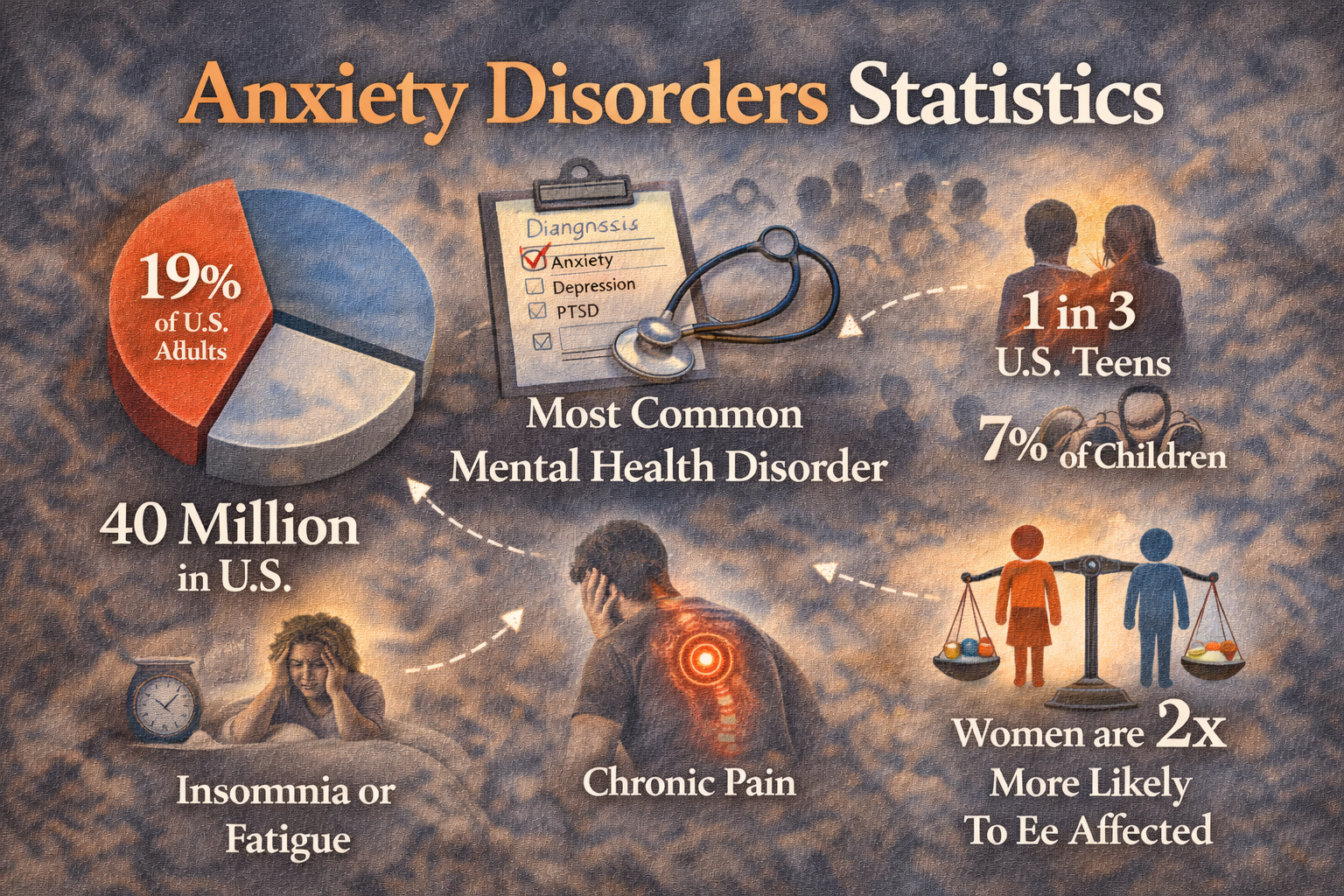
Anxiety disorders involve persistent, exaggerated responses to perceived threats, often leading to physical symptoms like rapid heartbeat or sweating. Common types include generalized anxiety disorder (GAD), social anxiety disorder (SAD), and panic disorder (PD), with past-year prevalence affecting about 19.1% of U.S. adults, according to NIMH data. Research suggests symptoms frequently begin in childhood or adolescence, with lifetime prevalence reaching 31.1% for adults.
These conditions can co-occur with other issues, amplifying their impact. For instance, many individuals experience overlapping symptoms with depression, complicating daily functioning.
Prevalence of Anxiety Disorders USA
In the USA, approximately 42.5 million adults are affected by anxiety disorders, but only around 37% receive treatment, per ADAA reports. Rates are notably higher among young adults aged 18-29 and women, who are twice as likely to be diagnosed compared to men.
This gap in care underscores the need for greater awareness. Untreated anxiety can lead to chronic health problems, emphasizing early intervention.
Anxiety Statistics in the US Basics
Anxiety stands as the most common mental illness in the US, often co-occurring with depression in nearly half of cases, based on ADAA findings. The economic burden is substantial, costing billions in healthcare and lost productivity annually.
Moreover, societal factors like post-pandemic stress have contributed to rising trends, with 43% of adults reporting increased anxiety in 2024 polls from the American Psychiatric Association (APA).
Research Shows: A 2025 APA survey found that 67% of Americans feel anxious about current global events, linking societal division to heightened mental health challenges.
For a broader foundation, see our guide on Signs of Mental Health Issues: Complete Guide to Anxiety Disorders
Why Understanding Anxiety Disorders Statistics Matters
Grasping anxiety disorders statistics isn’t just about numbers—it’s about fostering empathy, driving change, and improving lives. These insights reveal the scale of the issue, helping to destigmatize mental health and guide resource allocation. Below, we explore the broader impacts and benefits.
Statistics on Anxiety Disorders America Impact
Statistics on anxiety disorders in America raise public awareness, which can reduce stigma and encourage open conversations. They also inform policy decisions, leading to better funding for mental health resources like community programs and helplines.
Additionally, these data highlight the need for workplace accommodations, potentially lowering absenteeism and boosting productivity.
Facts About Anxiety Disorders USA Relevance
Facts about anxiety disorders in the USA help individuals spot symptoms early, prompting timely help-seeking. For employers, understanding these stats can inspire supportive environments, such as flexible schedules or mental health days.
This knowledge empowers communities to build resilience, turning data into actionable support.
Anxiety Disorders Prevalence Rates USA Benefits
Anxiety disorders prevalence rates in the USA enable targeted interventions for vulnerable groups, like teens and women. By identifying high-risk demographics, healthcare providers can tailor prevention strategies, such as school-based screenings or gender-specific therapies.
Ultimately, this leads to more effective public health initiatives, reducing overall societal burden.
Expert Insight: As a clinical psychologist might note, “Statistics aren’t just figures—they’re a call to action for compassionate, evidence-based care that addresses root causes.”
What Are the Key Anxiety Disorders Statistics in the USA?
Key anxiety disorders statistics in the USA paint a picture of a pervasive issue, with rising trends post-pandemic. This section breaks down adult prevalence, historical shifts, and regional variations using lists and comparisons for clarity.
Anxiety in Adults Statistics USA
Past-year prevalence stands at 19.1%, with 12% of adults reporting regular anxiety symptoms like worry or nervousness, per CDC 2024 data. In 2024, 23.4% experienced any mental illness, including anxiety.
A rising trend shows 43% of adults feeling more anxious than the previous year, according to APA polls.
Anxiety Disorder Rates in USA Trends
From about 5.12% in 2008, rates have climbed, especially post-pandemic, with lifetime prevalence now at 31.1%. Young adults show the sharpest increases, driven by factors like economic stress.
Comparisons reveal a steady upward trajectory, with 2025 data indicating continued growth.
Anxiety Disorders Statistics USA by Region
Higher rates often appear in urban areas due to stressors like crowding and fast-paced life, though national averages remain consistent around 19%. Economic and social factors, such as access to care, influence regional variations.
For example, states with better mental health resources report lower untreated cases.
| Year | Past-Year Prevalence | Key Trend |
| 2008 | 5.12% | Baseline |
| 2020 | ~15% (post-pandemic spike) | Increased due to COVID |
| 2025 | 19.1% | Ongoing rise |
Prevalence of Anxiety Disorders by Demographics
Demographic breakdowns of anxiety disorders reveal disparities, helping target support. This section examines teens, women, and age groups with explanatory lists.
Teenage Anxiety Statistics United States
About 20% of teens report anxiety symptoms in the past two weeks, with 31.9% of adolescents aged 13-18 having anxiety disorders, per ADAA. Girls are twice as likely, and 18.1% overlap with major depressive episodes.
Social media and academic pressure contribute significantly.
Women Anxiety Statistics USA
Women face twice the risk, with 3.4% GAD prevalence versus 1.9% in men. Lifetime risk is over twice for women, peaking during maternal periods at 20%.
Depression co-occurs in 16% of women versus 10% of men.
Anxiety Disorders Prevalence Rates USA by Age
Rates are highest in 18-25 year-olds at 14.66% (recent data), decreasing to 3.76% in those 50+. Younger groups report 26.6% symptoms in the past two weeks.
Aging brings protective factors like experience, but isolation can exacerbate.
Pro Tip: For teens, encourage journaling to track anxiety triggers—many don’t realize patterns until they document them.
Statistics on Specific Anxiety Disorders
Specific anxiety disorders vary in prevalence and impact. This list details key types with USA-focused data.
Generalized Anxiety Disorder Statistics USA
GAD affects 3.1% or 6.8 million adults; women are twice as likely, and only 43.2% receive treatment.
Chronic worry defines it, often starting in adulthood.
Social Anxiety Disorder Statistics USA
SAD impacts 7.1% or 15 million adults, with onset typically at age 13; women are more affected.
Fear of social situations leads to isolation.
Panic Disorder Statistics USA
PD affects 2.7% or 6 million; women twice men, often beginning in adulthood.
Sudden panic attacks can mimic heart issues.
Anxiety and Depression Statistics USA
Anxiety and depression frequently overlap, compounding challenges. This explanation covers rates and trends.
Co-Occurrence Rates
Major depressive disorder affects 15.5%, with current depression at 18.3%. Up to 60% of anxiety cases co-occur with depression.
This dual burden intensifies symptoms.
Trends and Impacts
Rates are rising in young adults, with 13.1% reporting depression in the past two weeks. Higher in women and teens, linked to stressors.
Economic and health costs soar with comorbidity.
Important: If anxiety and depression interfere with daily life, consult a professional immediately—untreated co-occurrence can lead to severe outcomes.
How to Use Anxiety Disorders Statistics for Better Mental Health
These statistics aren’t abstract—they’re tools for personal growth. Follow this step-by-step to interpret and apply them.
Interpreting the Data
- Identify personal risk factors from demographics, like age or gender.
- Compare your symptoms to common stats, noting frequency.
- Seek professional help if you match high-risk groups, starting with a screening.
Applying Insights Daily
Track personal trends using apps, and advocate for workplace resources based on prevalence data. Join support groups to combat isolation.
Best Practices and Expert Tips
Implementing best practices can mitigate anxiety based on stats. Here’s a list of evidence-based strategies.
Evidence-Based Strategies
Tip 1: Engage in regular screening, especially if in high-prevalence groups like young adults.
Tip 2: Adopt lifestyle changes; exercise can reduce risk by 40%, per research.
Seeking Help Tips
Tip 1: Utilize ADAA resources for treatment options, including therapy finders.
Tip 2: Build support networks to address isolation, as loneliness links to higher anxiety.
Scientific Evidence & Research
Backing anxiety disorders statistics with research ensures reliability. This section summarizes studies, opinions, and data.
Clinical Studies
NIMH data indicates 19.1% past-year anxiety; CDC reports 12% regular symptoms in 2024.
Expert Opinions
APA experts note rising anxiety from societal stressors; WHO highlights over a billion affected globally in 2021, with urgent need for services.
Statistical Data
ADAA stats: GAD 3.1%, PD 2.7%; treatment gaps at 63%.
External links: NIMH Anxiety Disorders, ADAA Facts, APA Stress Report.
Common Mistakes to Avoid
Avoiding pitfalls with anxiety disorders statistics prevents misinformation. Here’s a list with explanations.
Mistake #1: Ignoring Demographic Risks
This underestimates vulnerability, delaying help. Better: Review stats by age/gender and screen regularly.
Mistake #2: Misinterpreting Prevalence as Normality
It normalizes untreated anxiety, perpetuating stigma. Better: Use data to advocate for treatment.
Mistake #3: Overlooking Co-Occurrences
Misses the full picture, like anxiety-depression links. Better: Seek holistic assessments from professionals.
Frequently Asked Questions (FAQs)
What are the latest anxiety disorders statistics USA?
As of 2025, over 42.5 million U.S. adults have anxiety disorders, with 19.1% past-year prevalence. Women are twice as likely affected, and rates are highest in young adults. Treatment reaches only about 37%, per NIMH and ADAA data.
Details show rising trends, with 43% reporting more anxiety in 2024. Consult professionals for personalized insights.
What is the prevalence of anxiety disorders USA?
Lifetime prevalence is 31.1%, with annual rates at 19.1%. It affects 1 in 5 adults, rising among youth, according to CDC and MHA reports.
This makes anxiety the top mental health issue. Early screening can help manage it effectively.
What are anxiety statistics in the US for teens?
20% of teens report anxiety symptoms in the past two weeks; 31.9% of 13-18 year-olds have disorders. Girls are twice as likely, per CDC and ADAA.
Co-occurrence with depression is common. Parents should monitor and seek help if needed.
What are women anxiety statistics USA?
Women have twice the risk (e.g., 3.4% GAD vs. 1.9% men). Lifetime anxiety disorders over twice as common, with maternal anxiety at 20%, from ADAA and APA.
Hormonal factors play a role. Tailored therapies can provide relief.
What are generalized anxiety disorder statistics USA?
Affects 3.1% (6.8 million adults); women twice as likely. Only 43.2% treated, as per NIMH.
Chronic worry defines it. CBT is often recommended.
What are anxiety and depression statistics USA?
18.3% current depression; up to 60% anxiety cases co-occur with depression. Rates rising in young adults, Gallup and CDC data.
Integrated treatment addresses both. Seek help if symptoms persist.
What are social anxiety disorder statistics USA?
7.1% (15 million); onset average age 13. Women more affected, NIMH.
Social fears impact daily life. Exposure therapy helps many.
Conclusion
These anxiety disorders statistics reveal a widespread challenge, but they also empower early recognition, destigmatization, and informed actions for improved outcomes. By understanding prevalence rates, demographic risks, and co-occurrences, you can better navigate your mental health or support others. Knowledge transforms anxiety from an isolating burden into a manageable condition, fostering resilience and hope.
Take a clear next step: Assess your symptoms using a simple online screener or consult a mental health professional today. Sign up for our newsletter to receive weekly mental health tips, or explore related resources for deeper guidance.
You’re not alone in this—millions face similar struggles, and effective help is within reach. Embracing these insights is the first empowering move toward wellness.
Medical Disclaimer:
This article is for informational purposes only and is not a substitute for professional medical advice, diagnosis, or treatment. Always seek the advice of your physician or qualified health provider.