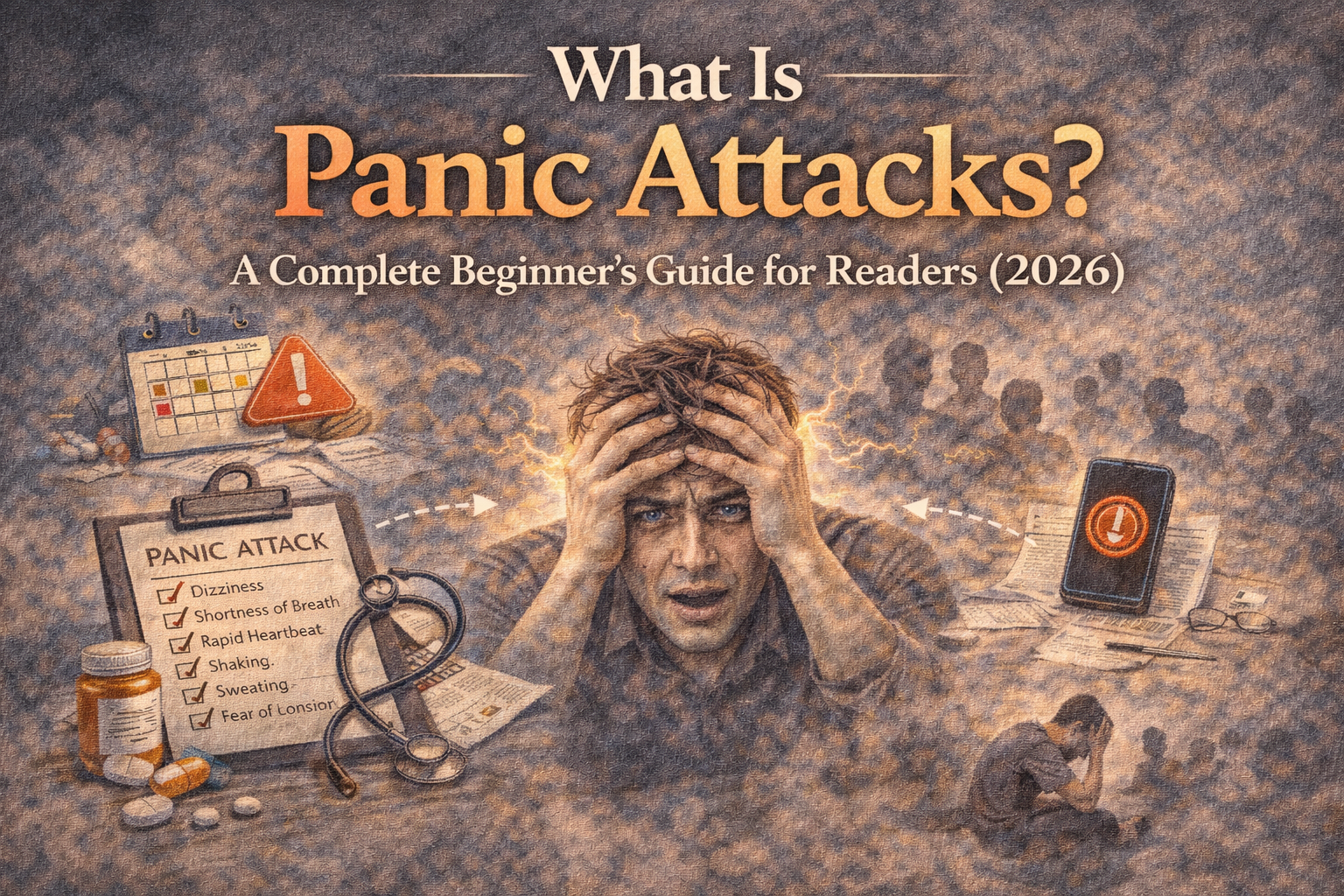
One moment someone is sitting quietly, perhaps watching TV or trying to fall asleep. The next, their heart is pounding as if it might burst, they can’t catch their breath, and an overwhelming sense of doom crashes over them. What is panic attacks? This sudden surge of intense fear is far more common than most people realize — and it can happen to anyone, at any age.
Nearly 11 million Americans experience at least one panic attack each year, while millions more in the UK report similar episodes. First-time sufferers frequently rush to the emergency room, convinced they’re having a heart attack or something life-threatening. Even after tests come back clear, the fear of the next attack often lingers, turning everyday life into a source of constant worry.
In this updated 2026 beginner’s guide, readers will discover exactly what panic attacks are, what they feel like in vivid detail, their common causes, how long they typically last, how to distinguish them from a heart attack, and proven natural strategies to stop them in the moment and prevent future episodes. The latest research, practical self-help tips, and clear guidance on when to seek professional support are also included. By the end, readers will feel empowered with knowledge and tools to regain control.
For a broader foundation, see our guide on Signs of Mental Health Issues: The Ultimate Guide to Panic Attacks: Causes, Symptoms & How to Overcome Them for Good (2026)
What Is Panic Attacks? A Simple Definition for Beginners
What panic attacks are can be confusing at first, but the definition is straightforward once the official criteria are understood.
What Is a Panic Attack? Official DSM-5 Definition
According to the DSM-5 (the diagnostic manual used by mental health professionals worldwide), a panic attack is an abrupt surge of intense fear or intense discomfort that reaches a peak within minutes. During this time, at least four physical or cognitive symptoms must occur. Importantly, the attack is not triggered by an actual external danger — it feels like one, but there is none.
The surge can begin from a calm state or an already anxious one. Symptoms build rapidly and then subside, leaving many people exhausted and shaken.
Panic Attack vs Panic Disorder
It’s crucial to understand the difference. A single panic attack can happen to anyone under extreme stress and may never recur. Panic disorder, however, involves recurrent unexpected attacks followed by at least one month of persistent worry about having more attacks or changing behavior to avoid them (such as avoiding exercise or public places).
How Common Are Panic Attacks in the US & UK?
In the United States, the NIMH reports that 2.7% of adults (approximately 6 million people) had panic disorder in the past year as of the latest 2025 data, with a lifetime prevalence of 4.7%. Women are affected at nearly twice the rate of men (3.8% vs 1.6%).
In the UK, panic disorder affects about 1 in 100 adults, though isolated panic attacks are far more common, with estimates suggesting up to 10% of adults experience at least one in their lifetime. Rates of anxiety overall have remained elevated post-pandemic, particularly among women and younger adults.
Pro Tip: Many people mistake their first panic attack for a medical emergency. Keeping a simple symptom journal (time, triggers, sensations) can help identify patterns quickly with a doctor.
What Does Panic Attack Feel Like? Real Descriptions
Imagine this: Someone is driving on the motorway when suddenly their chest tightens, vision blurs slightly, and they feel certain something terrible is about to happen. That visceral experience is what many describe when asked, “What does panic attack feel like?”
Physical Sensations Most People Report
The body goes into full fight-or-flight mode. Common sensations include:
- Racing or pounding heart
- Shortness of breath or smothering feeling
- Sweating, trembling, or shaking
- Chest pain or discomfort
- Dizziness or lightheadedness
- Chills or hot flushes
- Numbness or tingling in hands, feet, or face
Emotional and Mental Experience
Beyond the body, the mind floods with terror:
- Fear of dying or “going crazy”
- Feeling detached from reality (derealization) or from oneself (depersonalization)
- Overwhelming sense of impending doom
Panic Attack Symptoms in Women
Women often report stronger nausea, shortness of breath, and choking sensations. Hormonal fluctuations (menstrual cycle, pregnancy, menopause) can intensify or trigger episodes in some cases.
What Causes Panic Attacks?
What causes panic attacks involves a complex mix of biology, genetics, and life experiences — not a single “cause” in most cases.
Biological and Genetic Factors
Research shows panic attacks run in families. If a close relative has panic disorder, risk increases significantly. Brain chemistry plays a key role, particularly involving serotonin, norepinephrine, and the body’s alarm system (the amygdala and related circuits).
Stress, Trauma, and Environmental Triggers
Major life stressors — job loss, bereavement, relationship breakdown — frequently precede the first attack. Caffeine, alcohol, certain medications, and even sleep deprivation can lower the threshold for an episode.
New 2024 Brain Pathway Discovery (PACAP)
In a groundbreaking 2024 study from the Salk Institute, researchers identified a specific neural pathway involving the neuropeptide PACAP that appears to drive panic-like symptoms in animal models. This discovery opens exciting possibilities for more targeted treatments in the coming years.
Research Shows: A 2024 meta-analysis confirmed that people with a history of childhood trauma are up to three times more likely to develop panic symptoms later in life.
How Long Do Panic Attacks Last?
Most people are relieved to learn that panic attacks are time-limited.
Typical Duration and Peak Phase
The intense phase usually peaks within 10 minutes and the entire episode rarely lasts longer than 30 minutes (though residual anxiety can linger for hours). The majority resolve within 5–20 minutes.
Factors That Make Attacks Longer or Shorter
Attacks tend to be shorter when grounding techniques are used early. They can feel longer if sensations are fought or “what if” catastrophic thinking is engaged. Physical factors like dehydration or low blood sugar can also prolong symptoms.
Panic Attack Symptoms Explained
Here are the 13 official DSM-5 panic attack symptoms (four or more are needed for a full attack):
- Palpitations, pounding heart, or accelerated heart rate
- Sweating
- Trembling or shaking
- Sensations of shortness of breath or smothering
- Feelings of choking
- Chest pain or discomfort
- Nausea or abdominal distress
- Feeling dizzy, unsteady, lightheaded, or faint
- Chills or hot flushes
- Paresthesias (numbness or tingling sensations)
- Derealization or depersonalization
- Fear of losing control or “going crazy”
- Fear of dying
Panic Attack Symptoms in Women vs Men
Women more frequently report nausea, shortness of breath, and choking sensations, while men may emphasize chest pain and fear of dying. These differences can sometimes lead to misdiagnosis if not considered.
Expert Insight: “The symptoms are the body’s normal alarm system firing without real danger,” explains clinicians at the Mayo Clinic. “Understanding this can reduce the secondary fear that fuels the cycle.”
Panic Attack vs Heart Attack – How to Tell the Difference
This is one of the most searched comparisons for good reason — the overlap is real, but the distinctions matter.
Key Differences at a GlanceWhen to Call 911 Immediately
| Feature | Panic Attack | Heart Attack |
| Onset | Sudden, peaks in minutes | Often gradual, builds over minutes |
| Duration | 5–30 minutes | Persists or worsens until treated |
| Pain location | Central chest, often with tingling | Central/left chest, radiates to arm, jaw, neck, back |
| Other symptoms | Tingling, derealization, fear of losing control | Cold sweat, nausea, shortness of breath without panic |
| Response | Improves with calming techniques | Does not improve without medical intervention |
When to Call 911 Immediately
If over 40, with risk factors for heart disease (smoking, diabetes, high blood pressure, family history), or if the pain radiates or feels different from previous attacks — seek emergency care. When in doubt, always err on the side of caution.
Many people find peace of mind by keeping a reliable at-home blood pressure monitor handy for quick checks during episodes.
Panic Attacks at Night
Waking up in a full panic with no obvious trigger is terrifying — and surprisingly common.
Why Nocturnal Panic Attacks Happen
Nocturnal (nighttime) panic attacks affect 18–45% of people with panic disorder. They often occur during the transition from deep sleep to lighter stages, when the brain is more vulnerable to misfiring fear signals. Sleep deprivation, stress, or even subtle breathing changes can contribute.
Immediate Relief Techniques for Nighttime Episodes
Keep a bedside grounding kit: a small flashlight, cold water, and a list of calming statements. Sit up slowly, place feet on the floor, and use the 5-4-3-2-1 technique (name 5 things seen, 4 that can be touched, etc.).
Important: If nighttime episodes are frequent, discuss with a doctor — they may signal the need for targeted treatment or a sleep study to rule out other issues.
Natural Ways to Stop Panic Attacks
The good news? Most attacks can be interrupted within minutes using evidence-based techniques.
5 Proven Techniques to Stop an Attack in Minutes
- Physiological Sigh — Inhale deeply through the nose, take a second short inhale, then exhale slowly through the mouth. Repeat 3–5 times.
- 5-4-3-2-1 Grounding — Engage all senses to return to the present.
- Cold Exposure — Splash cold water on the face or hold an ice pack to the back of the neck.
- Progressive Muscle Relaxation — Tense and release muscle groups starting from the toes.
- Box Breathing (4 seconds in, 4 hold, 4 out, 4 hold) — Used by Navy SEALs for high-stress situations.
Daily Habits That Prevent Future Attacks
Regular exercise (30 minutes most days), consistent sleep schedule, limiting caffeine after noon, and mindfulness practice all lower baseline anxiety.
Panic Attack Self Help Tips for Beginners
Start small. Practice one technique daily when calm so it becomes automatic during an attack. Track triggers in a notes app.
Scientific Evidence & Research
Clinical Studies
The NIMH’s 2025 data confirms 2.7% past-year prevalence of panic disorder among US adults (about 6 million people). In the UK, similar patterns hold with slightly lower diagnosed rates but high self-reported anxiety.
The 2024 Salk Institute study on the PACAP brain pathway provided the first clear biological mechanism for panic symptoms in animal models, offering hope for new medications.
Expert Opinions
Leading specialists at Cleveland Clinic and Mayo Clinic emphasize that panic disorder is highly treatable: “With proper intervention, 70–90% of people achieve significant improvement,” notes consensus guidelines.
Statistical Data
Women are twice as likely as men to experience panic disorder. Lifetime risk sits at 4.7% in the US. Early intervention reduces the chance of developing full panic disorder by up to 50%.
External links for further reading:
Common Mistakes to Avoid
Mistake #1: Avoiding Medical Evaluation
Why it’s risky: Chest pain and shortness of breath always warrant checking. Better approach: See a GP or cardiologist first for peace of mind, then address the anxiety component.
Mistake #2: Relying Only on Breathing Without Professional Help
Breathing helps in the moment, but recurrent attacks often need CBT or medication for lasting relief. Combine self-help with expert guidance.
Mistake #3: Catastrophizing Every Sensation
Interpreting every flutter as “another attack coming” keeps the fear cycle alive. Challenge thoughts with evidence: “This feeling has passed before and it will again.”
Frequently Asked Questions (FAQs)
What is a panic attack?
A panic attack is a sudden episode of intense fear or discomfort that peaks within minutes and includes at least four characteristic physical or cognitive symptoms. It is not dangerous, though it feels terrifying. Most attacks resolve within 30 minutes, leaving people tired but safe.
What causes panic attacks?
Panic attacks result from a combination of genetic predisposition, brain chemistry, stress, and sometimes environmental triggers like caffeine or trauma. Recent research highlights specific neural pathways (such as the PACAP system) that can misfire.
How long do panic attacks last?
Most panic attacks peak within 10 minutes and fully subside within 5–30 minutes. The intense phase rarely lasts longer than 20 minutes.
Panic attack vs heart attack – what’s the difference?
Panic attacks come on suddenly, include tingling or derealization, and resolve quickly. Heart attack symptoms often build gradually, may radiate to the arm or jaw, and persist until treated. When unsure, seek emergency care immediately.
What are natural ways to stop panic attacks?
Proven techniques include physiological sighing, 5-4-3-2-1 grounding, cold water on the face, and box breathing. Practicing daily makes them more effective during episodes.
Are panic attacks at night common?
Yes — up to 45% of people with panic disorder experience nocturnal attacks. They often occur in the first few hours of sleep.
How to recognize a panic attack early?
Early signs include sudden heart racing, shallow breathing, or a wave of dread without clear cause. Catching it early and using a breathing technique can shorten or stop the episode.
Conclusion
What panic attacks are, why they happen, how to recognize them, and — most importantly — how to manage them effectively is now understood. The fear that once felt uncontrollable becomes far less powerful when knowledge, tools, and support are on hand.
Start today with one small step: choose a single breathing technique and practice it twice daily when calm. Build that muscle so it’s ready when needed most.
If attacks are happening more than occasionally or interfering with work, relationships, or daily life, speak to a licensed therapist or GP this week. Effective treatments like cognitive behavioral therapy (CBT) and, when appropriate, medication can reduce symptoms dramatically for most people.
Medical Disclaimer
This article is for informational and educational purposes only and does not constitute medical advice. Always consult with a qualified healthcare professional for diagnosis and treatment. If in crisis, contact the 988 Suicide & Crisis Lifeline (US) or NHS 111 / Samaritans (UK) immediately.