Picture driving home on a quiet evening when suddenly the heart pounds like a drum, chest tightens, and a wave of terror washes over. The steering wheel is gripped tight, convinced it’s a heart attack or that something terrible is about to happen. Minutes later it passes, leaving exhaustion and shaken nerves. This scenario is all too familiar for millions of Americans.
Nearly 6 million U.S. adults live with panic disorder, according to the latest National Institute of Mental Health (NIMH) data, and many more experience occasional panic attacks that disrupt sleep, work, relationships, and daily confidence. These episodes often leave people feeling misunderstood, isolated, or hopeless—wondering if they’ll ever feel “normal” again.
The good news? Panic attacks are highly treatable. This comprehensive guide to panic attacks gives readers everything needed in one place: clear explanations of what causes them, how to recognize the signs, immediate relief strategies that can be used tonight, proven long-term solutions, natural approaches, and prevention tools that can help overcome them for good in 2026 and beyond.
Written to the same rigorous standards as WebMD and Mayo Clinic content, this guide draws on the most current research from NIMH, the Anxiety and Depression Association of America (ADAA), and 2025 clinical studies. Practical, evidence-based steps are available to start using immediately—whether someone has had one attack or lives with recurring ones.
Guide to Panic Attacks: What Are They?
Panic attacks are sudden, intense surges of fear or discomfort that reach a peak within minutes. They can feel overwhelming, but understanding them is the first powerful step toward control.
What Exactly Happens During a Panic Attack?
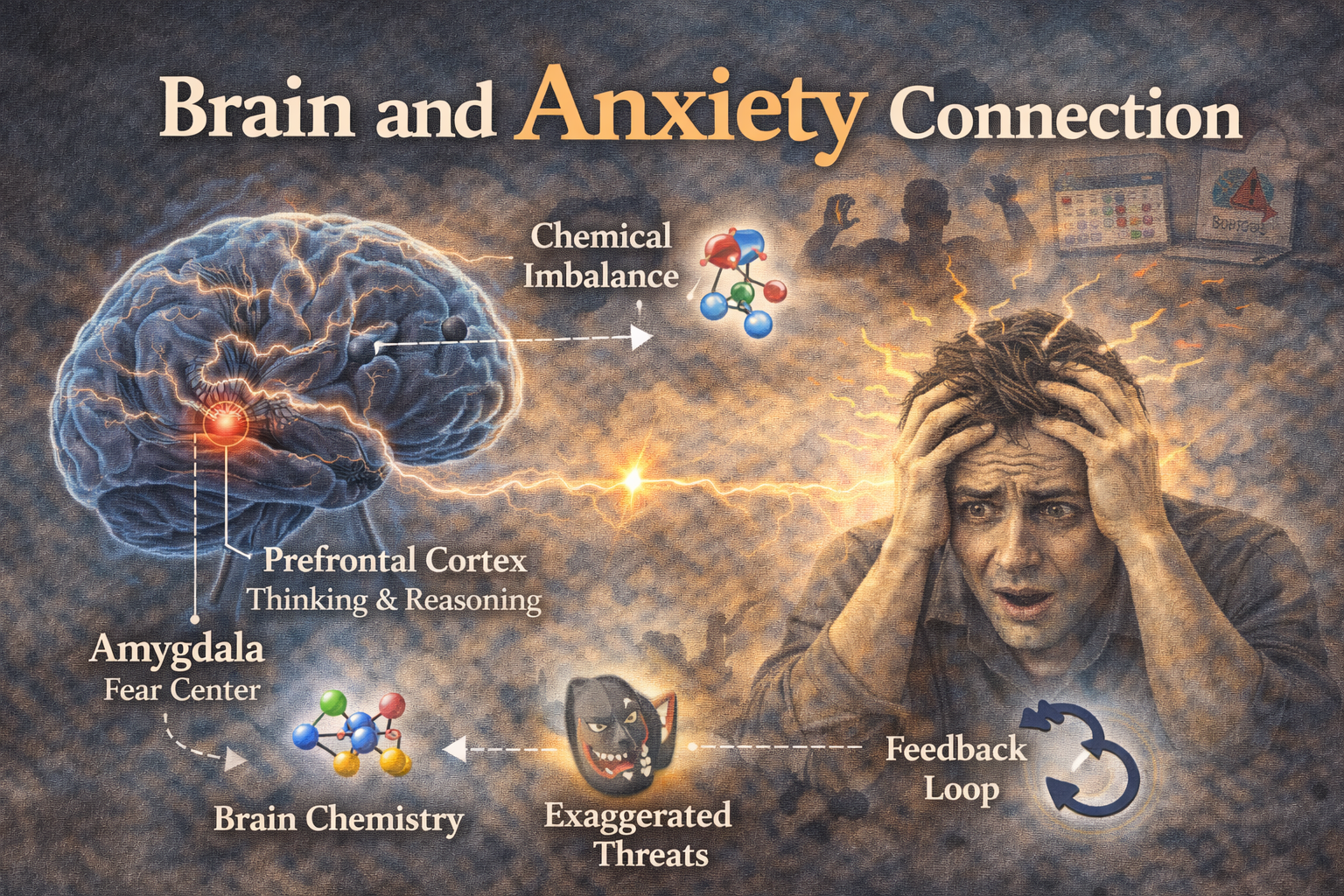
During a panic attack, the body’s fight-or-flight response activates without any real danger. The brain’s alarm system—the amygdala—fires rapidly, flooding the body with stress hormones like adrenaline and cortisol. This causes at least four physical or cognitive symptoms that build quickly and usually peak within 10 minutes.
Common experiences include a racing heart, sweating, trembling, shortness of breath, chest pain, dizziness, chills or hot flashes, numbness or tingling, nausea, and feelings of unreality or fear of dying or losing control.
Isolated panic attacks happen to many people once or twice in life, often triggered by extreme stress. Panic disorder, however, involves recurrent unexpected attacks plus at least one month of persistent worry about having more attacks or changing behavior to avoid them.
Pro Tip: Many people describe the sensation as “feeling like I’m going crazy or dying.” Remind yourself in the moment: “This is uncomfortable but not dangerous. It will pass in minutes.” This simple cognitive shift can reduce intensity.
How Common Are Panic Attacks in the USA?
According to NIMH data (updated 2025), 2.7% of U.S. adults experienced panic disorder in the past year—approximately 6 million people. Women are affected at nearly twice the rate of men (3.8% vs. 1.6%).
Research shows that 23–28% of adults will experience at least one panic attack in their lifetime. These numbers highlight that no one is alone.
Who Is Most at Risk?
Women are 2–3 times more likely than men to develop panic disorder. Peak onset occurs between ages 16–35, with a second rise during perimenopause due to hormonal shifts. Family history, major life stressors, and certain personality traits (such as high sensitivity to bodily sensations) also increase risk.
[Image suggestion alt text: Infographic titled “What a Panic Attack Feels Like in Your Body” – labeled diagram of heart, lungs, brain, and symptoms with percentages]
This section of our guide to panic attacks lays the foundation. Once what’s happening in the body is understood, the fear loses some of its power.
What Causes Panic Attacks?
No single cause explains every panic attack. Instead, a combination of biological, environmental, and medical factors usually interacts.
Biological and Genetic Factors
Genetics play a significant role—panic disorder tends to run in families. Researchers have identified variations in genes affecting serotonin and norepinephrine, two key neurotransmitters that regulate mood and stress response.
An overactive amygdala (the brain’s fear center) combined with poor regulation from the prefrontal cortex can make some people more prone to false alarms. Studies using brain imaging consistently show heightened amygdala activity in people with panic disorder.
Environmental and Lifestyle Triggers
Chronic stress, major life changes (divorce, job loss, moving), trauma, and even caffeine or sleep deprivation can trigger attacks. Substance use, including alcohol withdrawal or stimulant medications, is another common culprit.
Research Shows: A 2024 large-scale study found that people reporting high daily stress were 2.5 times more likely to experience panic attacks than those with lower stress levels.
Medical and Substance-Related Causes
Certain medical conditions can mimic or trigger panic-like symptoms: hyperthyroidism, heart arrhythmias, asthma, or low blood sugar. Withdrawal from benzodiazepines, alcohol, or certain antidepressants can also provoke attacks.
What Are the Signs of a Panic Attack?
Recognizing the signs early can help with faster response and less fear.
Physical Symptoms Most People Miss
The most common include:
- Chest pain or discomfort
- Shortness of breath or smothering sensations
- Dizziness or lightheadedness
- Tingling in hands, feet, or face
- Sweating, chills, or hot flashes
- Trembling or shaking
- Nausea or abdominal distress
- Heart palpitations or pounding heart
Emotional and Cognitive Signs
Intense fear of dying, losing control, or “going crazy” often accompanies the physical symptoms. Many people also experience derealization (feeling detached from reality) or depersonalization (feeling outside their own body).
Duration and Aftermath
A true panic attack peaks within 10 minutes and rarely lasts longer than 30 minutes, though residual anxiety or fatigue can linger for hours. The aftermath often includes exhaustion, muscle tension, and worry about the next episode.
Panic Attacks at Night: Why They Happen
Waking up in the middle of the night gasping for air and gripped by terror is one of the most frightening forms of panic.
Nocturnal Panic Attacks Explained
Nocturnal (nighttime) panic attacks occur during sleep—most often in the first third of the night during non-REM stages. Up to 71% of people with panic disorder experience at least one, and 18–45% have them regularly. They happen without an obvious trigger and can jolt people awake with the same symptoms as daytime attacks.
How to Calm a Panic Attack at Night
Keep a calm-down kit by the bed: water, a grounding object (like a smooth stone), and written reminders of coping statements. When waking:
- Sit up slowly and place feet on the floor.
- Use the physiological sigh (double quick inhale through nose, long exhale through mouth).
- Practice the 5-4-3-2-1 grounding technique (name 5 things seen, 4 that can be touched, etc.).
Panic Attack vs Heart Attack: How to Tell the Difference
This is one of the most common fears—and knowing the differences can save unnecessary emergency visits while ensuring help is sought when truly needed.
Key Differences in Symptoms
| Feature | Panic Attack | Heart Attack |
| Onset | Sudden, peaks in 10 min | Gradual or sudden |
| Chest pain | Sharp, stabbing, often moves with breathing | Pressure, tightness, radiating to arm/jaw |
| Duration | Usually <30 minutes | Can last hours if untreated |
| Response to movement | May improve slightly | Usually worsens |
| Other symptoms | Tingling, fear of dying, derealization | Sweating, nausea, shortness of breath |
When to Call 911 Immediately
Call emergency services if pain radiates to the jaw, neck, or arms; if there’s a history of heart disease; or if symptoms do not subside within 15–20 minutes.
How to Stop Panic Attacks: Breathing Exercises and Grounding Techniques
Most panic attacks can be interrupted within minutes using proven techniques.
5 Proven Breathing Exercises for Panic
- Physiological Sigh (Huberman Lab): Double quick inhale through nose, long slow exhale through mouth. Repeat 3–5 times.
- 4-7-8 Breathing (Dr. Andrew Weil): Inhale 4 seconds, hold 7, exhale 8. Do 4 cycles.
- Box Breathing (used by Navy SEALs): Inhale 4, hold 4, exhale 4, hold 4.
- Resonant Breathing: 5–6 breaths per minute (inhale 5 sec, exhale 5 sec).
- Diaphragmatic Breathing: Hand on belly, breathe so belly rises more than chest.
Grounding Techniques Panic Attacks (5-4-3-2-1 Method)
Name out loud:
- 5 things seen
- 4 things that can be touched
- 3 things heard
- 2 things smelled
- 1 thing tasted
Best Way to Stop a Panic Attack in Public
Focus on feet on the ground, name objects quietly, and use the physiological sigh discreetly. Most people around won’t notice.
Guide to Overcoming Panic Attacks for Good
Long-term freedom comes from addressing the root fear of panic itself.
Cognitive Therapy for Panic Attacks (CBT Gold Standard)
Cognitive Behavioral Therapy (CBT) is the most researched and effective treatment. It helps:
- Identify and reframe catastrophic thoughts (“I’m having a heart attack” → “This is panic; I’ve survived this before”)
- Use interoceptive exposure (intentionally creating mild symptoms like spinning to prove they are safe)
- Gradually face avoided situations
A 2025 follow-up study on the intensive Bergen 4-Day Treatment for panic disorder showed strong, sustained remission rates at 18 months.
Building a Relapse-Prevention Plan
Create a written plan with early warning signs, coping tools, support contacts, and weekly check-ins.
Lifestyle Changes That Eliminate Panic Triggers
Regular exercise (150 minutes moderate per week), consistent sleep schedule, limited caffeine (<200 mg/day), and stress management all significantly reduce attack frequency.
Recommended resource: Many readers benefit from The Anxiety and Phobia Workbook by Edmund Bourne—an excellent, evidence-based self-help tool.
Guide to Natural Remedies for Panic Attacks, Self Help & Prevention
While not replacements for professional care, these approaches can complement treatment.
Top Natural Remedies for Panic Attacks
- Regular Exercise: Research shows 30 minutes of moderate aerobic activity 3–5 times weekly can reduce symptoms comparably to medication for mild cases.
- Magnesium: Some studies suggest 300–400 mg daily may help calm the nervous system (consult doctor first).
- Lavender Aromatherapy or Oral: Limited but promising evidence for reducing acute anxiety.
- Mindfulness Meditation: Apps like Headspace or Calm show measurable reductions in panic frequency.
Self Help for Panic Attacks That Actually Work
Journaling triggers, progressive muscle relaxation, and creating a “safety playlist” of calming music or podcasts.
Daily Habits to Prevent Panic Attacks Forever
Consistent sleep (7–9 hours), balanced meals every 3–4 hours, morning sunlight, and weekly social connection all build resilience.
Scientific Evidence & Research
Clinical Studies
NIMH reports 2.7% past-year prevalence. A 2025 longer-term follow-up of the Bergen 4-Day intensive CBT protocol for panic disorder demonstrated high remission rates sustained at 18 months.
Expert Opinions
The American Psychological Association (APA) in 2025 noted that intensive short-term CBT produces lasting inhibitory learning that helps the brain reclassify panic sensations as safe.
Statistical Data
Women are twice as likely as men to be diagnosed. Lifetime prevalence of at least one panic attack reaches 23–28% in U.S. adults.
External Links:
Common Mistakes to Avoid
Mistake #1: Avoiding Triggers Completely
Why it’s problematic: Avoidance strengthens the fear. Better approach: Gradual, planned exposure with support.
Mistake #2: Relying Only on Medication Long-Term
Medication can be lifesaving short-term, but combining it with CBT produces better lasting results.
Mistake #3: Ignoring Sleep and Caffeine
Poor sleep and excess caffeine are major triggers. Prioritizing both prevents many episodes.
Frequently Asked Questions (FAQs)
How to stop panic attacks naturally?
The fastest natural way is the physiological sigh (double inhale, long exhale) combined with the 5-4-3-2-1 grounding technique. These interrupt the fight-or-flight response within 60–90 seconds for most people. Practice daily when calm so they become automatic during attacks.
What are the signs of a panic attack?
The hallmark signs are at least four sudden physical or cognitive symptoms (racing heart, shortness of breath, dizziness, fear of dying) that peak within 10 minutes. Emotional terror often accompanies the physical sensations.
Can panic attacks happen at night?
Yes—up to 71% of people with panic disorder experience nocturnal panic attacks. They typically occur in the first third of the night and follow the same symptom pattern as daytime attacks.
How to overcome panic attacks for good?
The most effective path combines CBT (especially exposure therapy) with lifestyle changes and, when needed, medication. Many people achieve full remission within 3–6 months of consistent treatment.
Is it a panic attack or heart attack?
Panic attacks peak quickly and usually resolve within 30 minutes without lasting damage. Heart attacks often involve radiating pain and do not resolve quickly. When in doubt, seek emergency care.
Are grounding techniques for panic attacks effective?
Yes—grounding techniques like 5-4-3-2-1 are highly effective at reducing acute intensity by shifting focus from internal sensations to external reality. Studies on sensory grounding support their use as first-line immediate tools.
What are the best cognitive therapy options for panic attacks?
Cognitive Behavioral Therapy (CBT) remains the gold standard. Intensive formats like the Bergen 4-Day Treatment and app-supported CBT programs also show excellent results in 2025 research.
Conclusion
The complete guide to panic attacks is now available—from understanding the biology and spotting the signs to mastering immediate relief and building long-term freedom. The strategies in this article have helped millions reclaim their lives.
Start tonight with the 4-7-8 breathing technique. Practice it once before bed so it’s ready when needed most.
Ready to break free? Download our free “Panic Attack Survival Kit” (worksheet + guided audio) or book a consultation with a CBT-trained therapist through our partner network.
Recovery is not only possible—it is proven, evidence-based, and within reach in 2026. The hardest step has already been taken by reading this far. Keep going. Everyone deserves a life without panic holding them back.
Medical Disclaimer
This article is for informational and educational purposes only and does not constitute medical advice. Always consult a qualified healthcare professional for personalized guidance. In crisis, contact 988 or emergency services immediately.