Nearly 1 in 5 U.S. adults — about 19% — experiences an anxiety disorder each year, according to the National Institute of Mental Health. If someone has ever felt their heart pounding before a simple meeting, tossed and turned at night with racing thoughts, or avoided social plans because worry took over, they know how exhausting anxiety can feel.
These symptoms disrupt sleep, concentration, relationships, and daily joy. Many people turn first to medication or therapy — both valuable options — yet a powerful, free tool often gets overlooked: regular physical movement.
For a broader foundation, see our guide on Signs of Mental Health Issues: Complete Guide to Anxiety Disorders
What Are Anxiety Exercise Benefits? (Overview)
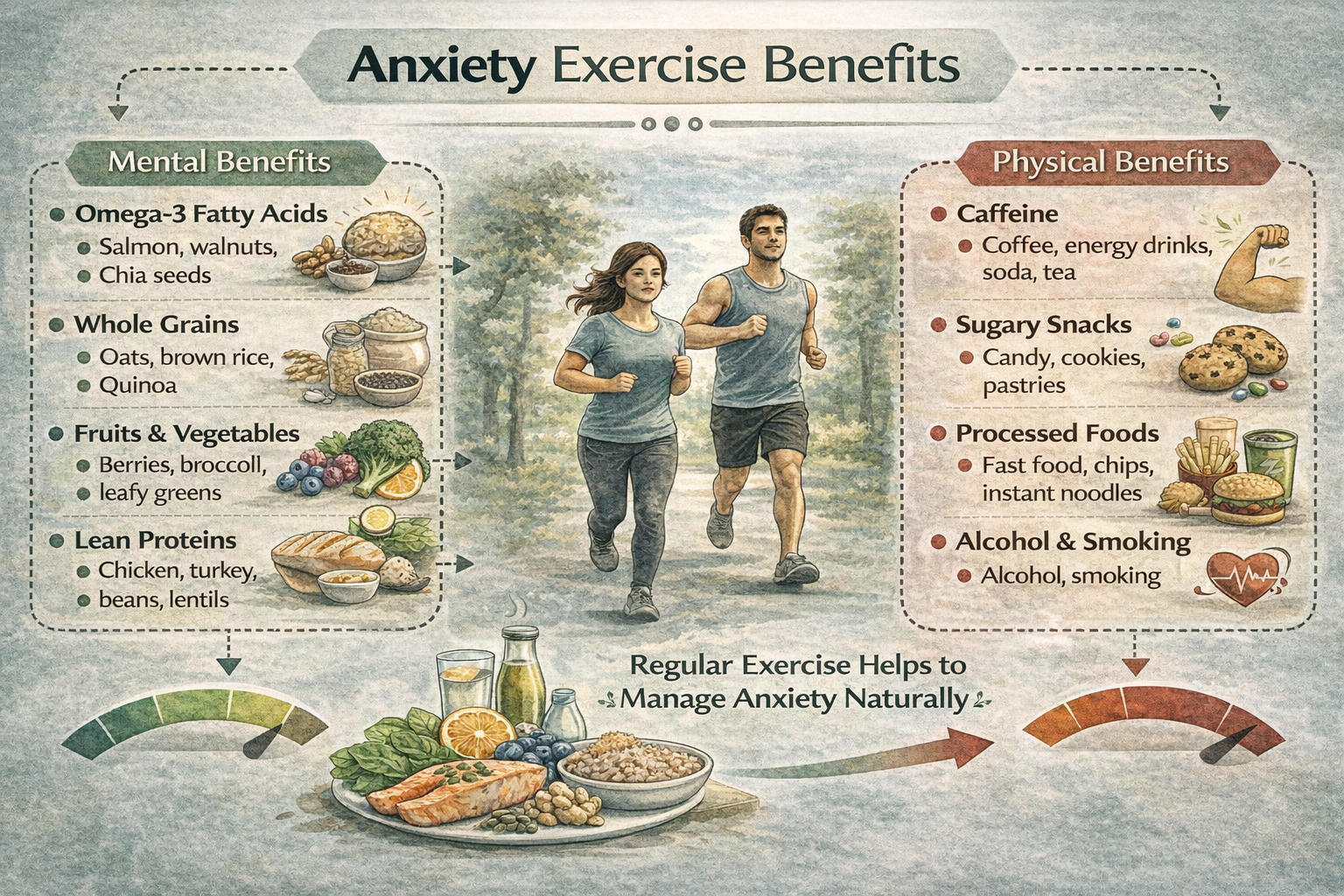
Physical activity offers far more than cardiovascular fitness when it comes to mental health. The benefits of exercise for anxiety stem from both immediate biochemical shifts and longer-term brain changes that help regulate mood and stress responses.
How Exercise Impacts Anxiety Symptoms
When the body moves, it triggers the release of endorphins — natural chemicals that create feelings of well-being and reduce pain perception. At the same time, exercise lowers cortisol, the primary stress hormone that stays elevated during chronic anxiety.
Many people notice calmer thoughts and better sleep within days of starting a consistent routine. Exercise also boosts self-esteem through small wins, like completing a walk or holding a yoga pose, which counters the self-doubt anxiety often fuels.
Why Physical Activity Works as a Natural Anxiety Reducer
On a biological level, regular movement increases brain-derived neurotrophic factor (BDNF), a protein that supports neuron growth and plasticity. This helps the brain adapt better to stress. Psychologically, exercise provides healthy distraction from worry cycles and builds resilience by exposing people to manageable physical sensations that mimic anxiety symptoms — without the danger.
Who Benefits Most from Exercise for Anxiety
Adults aged 25–55 with mild to moderate symptoms often see the strongest improvements. People living with generalized anxiety disorder (GAD), social anxiety, or stress-related issues particularly benefit. Even those with more severe anxiety can use exercise as a helpful complement to professional treatment.
Research Shows: A large 2023 meta-analysis found that exercise interventions reduced anxiety symptoms with a moderate effect size comparable to psychotherapy for many people.
For a broader foundation, see our guide on Signs of Mental Health Issues: Panic Disorder Overview
How Exercise Reduces Anxiety: The Science Behind It
Understanding the mechanisms helps explain why movement feels so effective. Exercise influences the nervous system, hormones, and brain chemistry in ways that directly counteract anxiety.
Neurochemical Changes from Physical Activity
Aerobic movement boosts serotonin, norepinephrine, and GABA — neurotransmitters that promote calm and balanced mood. Regular exercisers also experience lower systemic inflammation, which researchers now link to anxiety disorders.
Why Aerobic Exercise Is Particularly Effective
Meta-analyses of running and brisk walking programs show consistent symptom reduction. The rhythmic nature of these activities appears especially soothing to an overactive nervous system.
Mind-Body Connection: Yoga and Tai Chi Benefits
These practices activate the parasympathetic “rest and digest” system through slow breathing and focused movement. The result is faster heart-rate variability recovery and a deeper sense of calm that lasts beyond the session.
For additional calming techniques, explore our guide to breathing exercises for anxiety.
Best Exercises for Anxiety Relief
Not all movement works equally well. Certain types stand out in research for their anxiety-reducing power.
Walking for Anxiety Relief – Simple and Powerful
Just 30 minutes of brisk walking most days can significantly lower symptoms. The low barrier to entry makes it sustainable, and outdoor walks add extra benefits from nature exposure.
Yoga for Anxiety Benefits – Mind and Body Balance
Yoga combines physical postures, breathwork, and mindfulness. Studies show it lowers trait anxiety (the tendency to feel anxious) more effectively than many other activities.
Running to Relieve Anxiety and Aerobic Exercise for Anxiety
Higher-intensity aerobic work delivers a strong endorphin surge. Many people describe a “runner’s high” that directly counters anxious rumination.
Strength Training for Anxiety – Building Resilience
Resistance exercises improve mood over the long term by increasing confidence and releasing tension stored in muscles. Two to three sessions per week deliver noticeable benefits.
Pro Tip: Start with whatever feels enjoyable rather than forcing the “best” type. Consistency beats perfection every time. Many people find success with a popular yoga app or simple resistance bands for home strength training.
For a broader foundation, see our guide on Signs of Mental Health Issues: Anxiety Diet and Nutrition
How Much Exercise for Anxiety Relief Do You Need?
People don’t need to train like athletes. Clear, realistic guidelines make it easy to start.
Recommended Weekly Amounts
The CDC and American College of Sports Medicine recommend at least 150 minutes of moderate-intensity activity or 75 minutes of vigorous activity per week, plus muscle-strengthening exercises on two or more days.
Daily Exercise to Reduce Anxiety – Realistic Plans
Begin with 10–30 minute sessions if new to movement. Even short bouts provide acute relief from anxiety symptoms.
How Much Exercise for Anxiety – Intensity Matters
Moderate to higher intensities often show stronger effects in studies, but any movement is better than none. Listen to the body and progress gradually.
Expert Insight: “Start where you are and build slowly. The goal is sustainable habits that reduce anxiety, not perfect workouts,” note exercise physiologists aligned with ACSM guidelines.
Outdoor Exercise for Anxiety and Other Practical Tips
Taking movement outside amplifies the rewards.
Why Outdoor Exercise for Anxiety Boosts Results
Nature exposure lowers cortisol further and increases enjoyment, making people more likely to stick with the habit. Sunlight also supports vitamin D levels, which influence mood regulation.
Best Workouts for Anxiety Relief – Getting Started
Begin with a 10-minute neighborhood walk and gradually increase duration or add gentle hills. Progress to bodyweight strength circuits or beginner yoga videos.
Expert Tips for Consistency
Schedule sessions like important appointments. Pair movement with mindfulness by noticing sounds, smells, and sights. Track mood before and after to see personal patterns.
For more ideas on building healthy routines, visit our guide to mental-health-routine-tips.
Scientific Evidence & Research on Anxiety Exercise Benefits
Decades of research support using movement as part of anxiety management.
Key Clinical Studies and Meta-Analyses
Multiple meta-analyses show aerobic exercise reduces anxiety symptoms with effect sizes of approximately 0.4–0.8 — often comparable to first-line treatments for mild-to-moderate cases. High-intensity options frequently produce stronger results.
Expert Opinions
Leading institutions including Harvard Medical School and the Mayo Clinic endorse regular physical activity as an effective adjunct to traditional anxiety care.
Statistical Data
Regular exercisers can experience up to a 25–60% reduction in anxiety risk or symptoms, depending on consistency and intensity. Benefits appear across age groups but are particularly well-documented in working-age adults.
- National Institute of Mental Health on anxiety disorders: nimh.nih.gov/health/topics/anxiety-disorders
- CDC Physical Activity Guidelines: cdc.gov/physical-activity-basics/guidelines/adults.html
- Recent meta-analysis on exercise for anxiety (PMC): Search PubMed for “exercise anxiety meta-analysis”
Common Mistakes to Avoid When Using Exercise for Anxiety
Even well-intentioned efforts can backfire if falling into these traps.
Mistake #1: Starting Too Intensely
Jumping into high-intensity workouts can temporarily heighten anxiety symptoms through physical sensations that mimic panic. Better approach: Begin with gentle movement and increase intensity slowly over weeks.
Mistake #2: Inconsistency
Sporadic exercise delivers minimal lasting benefits because neurochemical changes require regular stimulation. Better approach: Treat movement like a non-negotiable daily or near-daily habit, even if short.
Mistake #3: Ignoring Mind-Body Integration
Purely mechanical workouts miss the full potential. Better approach: Combine movement with mindful breathing or present-moment awareness.
Important: If anxiety worsens significantly during or after exercise, stop and consult a healthcare professional. Some medical conditions require modified programs.
Frequently Asked Questions (FAQs)
What Are the Main Anxiety Exercise Benefits?
Exercise reduces anxiety symptoms by releasing endorphins, lowering cortisol, and improving mood regulation. Studies show medium effect sizes often comparable to therapy or medication for mild-to-moderate anxiety, plus added physical health gains.
Does Exercise Help with Anxiety?
Yes. Meta-analyses confirm that regular physical activity significantly lowers anxiety symptoms, with risk reductions ranging from 25–60% in consistent exercisers.
What Is the Best Exercise for Anxiety Relief?
Aerobic activities like walking or running combined with yoga tend to show the strongest results. Moderate-to-higher intensity generally works well, but the best choice is one people enjoy and will repeat.
How Much Exercise for Anxiety Do I Need?
Aim for 150 minutes of moderate activity per week, or 75 minutes of vigorous activity, spread across most days. Even 10–30 minute daily sessions can provide noticeable relief.
Can Walking for Anxiety Relief Really Work?
Absolutely. Brisk walking delivers quick calming effects, and doing it outdoors enhances benefits through nature exposure and sunlight.
Are There Risks to Using Exercise for Anxiety?
Risks are rare when starting gradually. Overdoing intensity early on can temporarily increase worry. Always check with a doctor before beginning, especially with pre-existing conditions.
How Does Yoga for Anxiety Benefits Compare to Other Workouts?
Yoga often equals or exceeds pure aerobic exercise for long-term trait anxiety reduction because it combines movement with breathwork and mindfulness.
Conclusion
The anxiety exercise benefits go far beyond physical fitness. Regular movement can reduce symptoms, improve resilience, enhance sleep, and restore a sense of control — often with effects that feel both immediate and lasting.
Science-backed knowledge about mechanisms, the most effective types, optimal dosing, and practical strategies is now available. The transformation begins with one small step: a 10-minute walk today, a gentle yoga session tomorrow, or adding two strength workouts this week.
Start with whatever feels doable right now — perhaps a short outdoor stroll after reading this. Small, consistent actions compound into powerful change.
Everyone deserves to feel calmer and more in control. Small steps truly lead to big relief — and the first one has already been taken by reading this far. Keep moving forward; a calmer mind is waiting.
Medical Disclaimer
This article is for informational and educational purposes only and does not constitute medical advice. The information provided should not be used for diagnosing or treating a health problem or disease. Always consult with a qualified healthcare professional before making any changes to mental health treatment or starting a new exercise program.
If experiencing a mental health crisis, please call or text 988 (Suicide & Crisis Lifeline) or visit the nearest emergency room. For non-emergency support, contact SAMHSA’s National Helpline at 1-800-662-4357.