Nearly 1 in 5 U.S. adults — about 19.1% — experienced an anxiety disorder in the past year, according to the National Institute of Mental Health (NIMH). Many describe it as a constant low hum of worry that follows them through meetings, family dinners, and quiet evenings alike. If you’ve ever wondered why your mind races at 2 a.m. or why your chest tightens during what should be a calm day, you’re not broken — you’re experiencing a very common human response that deserves understanding.
For millions of Americans aged 25-55, anxiety quietly disrupts sleep, concentration, relationships, and overall health. It often hides behind high performance at work or perfect parenting on the surface. The good news is that understanding your anxiety gives you the power to respond with clarity instead of fear. This guide draws from the latest NIMH data, American Psychological Association insights, and peer-reviewed research to explain what anxiety really is, why it happens, and how knowledge itself becomes a powerful first step toward relief.
For a broader foundation, see our guide on Signs of Mental Health Issues: Specific Phobias Explained
What Is Anxiety? A Clear Definition and Overview
Anxiety is your body’s natural alarm system, designed to protect you from danger. When it works properly, it helps you stay alert and motivated. When it becomes chronic, it can feel like the alarm never turns off.
Understanding Anxiety Symptoms in Adults
Emotional symptoms often include excessive worry that feels difficult to control, restlessness, and irritability. Cognitively, you might notice racing thoughts, trouble concentrating, or difficulty making decisions. These patterns become concerning when they persist for six months or longer and interfere with daily life.
Pro Tip: Keep a simple daily note on your phone: “Worry level 1-10 + one trigger.” Over two weeks, patterns emerge that even seasoned therapists find helpful for early insight.
Physical Symptoms of Anxiety Explained
Your body responds with a rapid heartbeat, sweating, muscle tension, shortness of breath, fatigue, or stomach upset. These are all part of the anxiety body response explained — your sympathetic nervous system activating the classic fight-or-flight mode.
Understanding Generalized Anxiety Disorder
Generalized anxiety disorder (GAD) involves persistent, excessive worry about everyday matters — health, work, family — for at least six months. According to NIMH data, about 2.7% of U.S. adults experience GAD in any given year.
Understanding your anxiety begins with recognizing that these symptoms are real, measurable, and highly treatable.
How Anxiety Affects the Brain and Body
Modern neuroscience shows anxiety isn’t “all in your head” — it’s a full-body experience rooted in specific brain circuits.
How Anxiety Affects the Brain
The amygdala acts like an over-sensitive smoke detector, firing rapidly at perceived threats. The prefrontal cortex, responsible for rational thinking and emotional regulation, can become less effective under chronic stress. Neurotransmitter imbalances involving glutamate (excitatory) and GABA (calming) also play key roles.
Anxiety Body Response Explained
Your hypothalamic-pituitary-adrenal (HPA) axis releases cortisol and adrenaline. Short-term, this mobilizes energy. Long-term, it contributes to chronic muscle tension, sleep disruption, and even changes in immune function.
Understanding Panic Attacks Symptoms
Panic attacks involve sudden, intense fear peaking within minutes. Symptoms include heart palpitations, sweating, trembling, shortness of breath, chest pain, dizziness, and a sense of impending doom. Attacks typically last 5–20 minutes but feel much longer.
Research Shows: A 2025 neuroscience review highlighted the extended amygdala’s role, including the bed nucleus of the stria terminalis (BNST), in sustaining anxiety beyond immediate threats.
For a broader foundation, see our guide on Signs of Mental Health Issues: Complete Guide to Anxiety Disorders
Why Do I Have Anxiety? Root Causes Explained
Anxiety rarely has a single cause. It’s usually a combination of factors.
Root Causes of Anxiety Explained
Genetics play a role — if a close family member has anxiety, your risk increases. Environmental factors such as childhood trauma, chronic stress, or major life changes (job loss, parenthood, caregiving) can also trigger or worsen it.
Social Anxiety Causes Explained
Social anxiety often stems from learned behaviors, past negative social experiences, or differences in brain circuits that process social evaluation. Cultural pressures around success and appearance can amplify it for many adults 25-55.
Difference Between Anxiety and Stress
Stress usually has a clear external trigger (deadline, argument) and fades when the situation resolves. Anxiety is more internal and persistent, continuing even when no obvious threat exists, according to APA guidelines.
Expert Insight: “Anxiety is not weakness — it’s your brain trying to protect you using outdated information,” notes many clinicians specializing in anxiety disorders.
For a broader foundation, see our guide on Signs of Mental Health Issues: Anxiety Disorders Statistics
Signs You’re Experiencing Anxiety – Even If You’re High-Functioning
Many successful professionals and parents experience “high-functioning anxiety” without realizing it.
Signs of High Functioning Anxiety
You may notice perfectionism, over-preparation, people-pleasing, or difficulty relaxing even on vacation. Outwardly productive, inwardly you feel exhausted, restless, or constantly scanning for problems.
How to Recognize Anxiety Early
Subtle early signs include increased irritability, changes in sleep or appetite, muscle tightness, or procrastination on simple tasks. Tracking these for one week can reveal patterns.
Identifying Your Anxiety Triggers
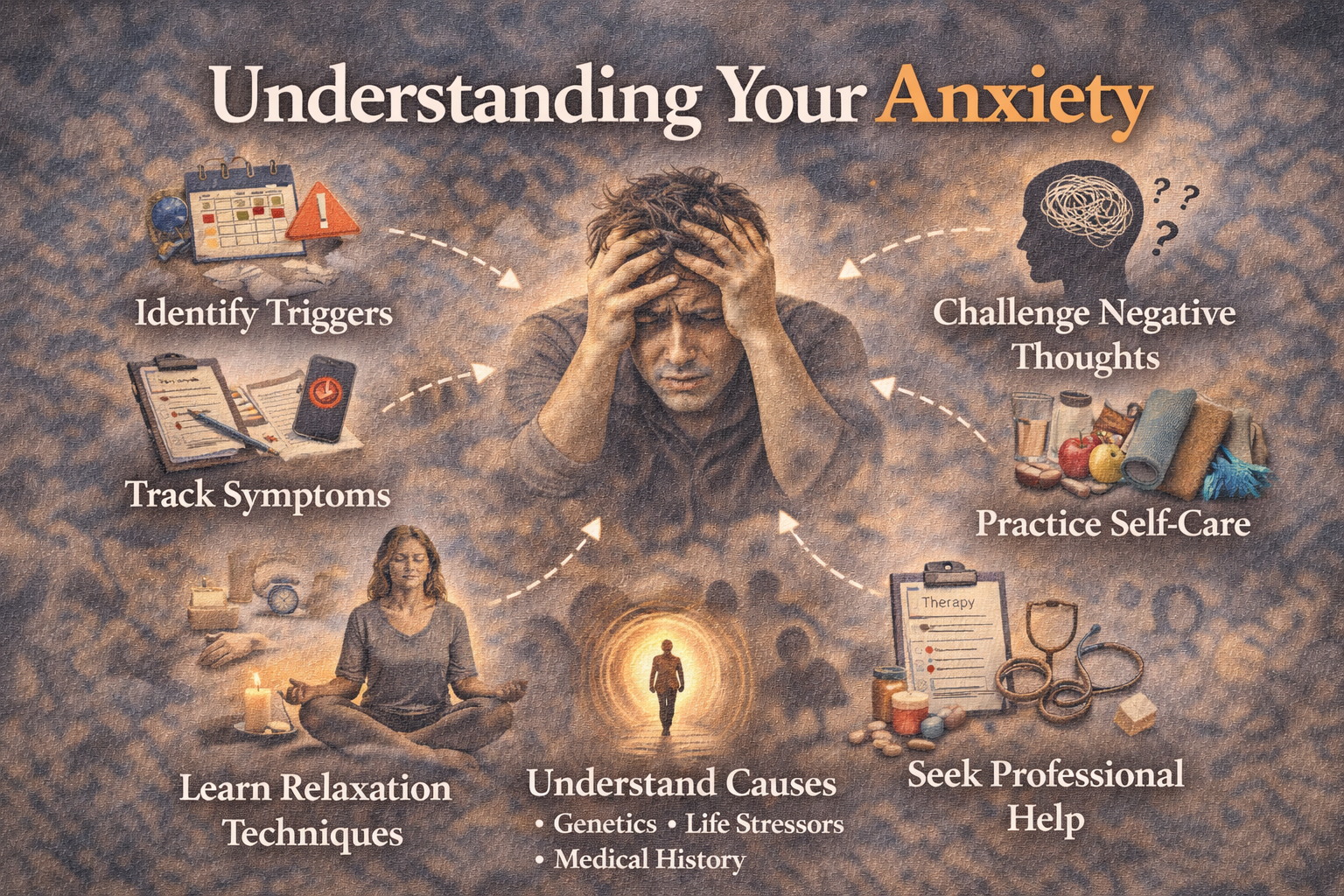
Common triggers include work deadlines, financial uncertainty, health concerns, or social situations. Journaling — noting situation, thoughts, physical sensations, and intensity — helps spot personal patterns quickly.
Important: High-functioning anxiety is still anxiety. It deserves attention before burnout sets in.
What Anxiety Is Telling You – Listening to Your Body and Mind
Anxiety often carries an important message.
What Anxiety Is Telling You
At its core, anxiety is a protective signal that has become amplified. It may be telling you to set better boundaries, address an unmet need, or seek support.
Why Do I Have Anxiety Right Now?
Life transitions (new job, empty nest, aging parents), sleep deprivation, caffeine overuse, or hormonal shifts can intensify symptoms. Building self-compassion — treating yourself as you would a good friend — reduces shame and opens the door to change.
Pro Tip: When anxiety spikes, ask: “What am I afraid of right now — and is it likely or possible?” This simple question often creates immediate perspective.
Scientific Evidence & Research on Anxiety
Decades of research confirm anxiety disorders are among the most treatable mental health conditions.
Clinical Studies
Recent 2025 studies on the extended amygdala continue to map how the amygdala and BNST contribute to both acute fear and sustained worry.
Expert Opinions
The NIMH and APA describe anxiety as a treatable circuit imbalance. Cognitive behavioral therapy (CBT) and, when appropriate, medication remain first-line approaches.
Statistical Data
NIMH reports 19.1% past-year prevalence of any anxiety disorder. The American Psychiatric Association’s 2025 poll found two-thirds of Americans anxious about global current events, while the Stress in America 2025 survey highlighted rising emotional support needs.
Managing Anxiety by Understanding It – Practical Next Steps
Knowledge alone reduces anxiety for many people because it replaces fear of the unknown with understanding.
Managing Anxiety by Understanding It
Start with self-awareness: track symptoms, triggers, and what helps. Simple lifestyle adjustments — consistent sleep, regular movement, and balanced nutrition — create a strong foundation.
Best Practices for Daily Management
Practice 4-7-8 breathing (inhale 4, hold 7, exhale 8) or the 5-4-3-2-1 grounding technique when symptoms rise. Many people also benefit from mindfulness apps.
Research Shows: A 2025 pilot randomized controlled trial found that using the mindfulness meditation app Calm for 30 days significantly reduced state anxiety and improved sleep quality.
Frequently Asked Questions (FAQs)
What is the difference between anxiety and stress?
Anxiety persists even without a clear external trigger, while stress is usually tied to a specific situation and eases when the situation resolves. Both share physical symptoms like tension, but anxiety often feels more internal and ongoing. If worry continues for months without relief, consult a healthcare professional.
What are the signs of high functioning anxiety?
People with high-functioning anxiety often appear highly successful yet experience inner perfectionism, overthinking, restlessness, and avoidance of downtime. They may push through exhaustion but feel constant mental fatigue. Recognizing these hidden signs is the first step toward healthier balance.
How does anxiety affect the brain?
Anxiety heightens activity in the amygdala (fear center) while reducing effective regulation from the prefrontal cortex. This can lead to emotional hijacking where rational thought feels temporarily offline. Recent neurobiology studies continue to map these patterns clearly.
What are common physical symptoms of anxiety?
Common symptoms include racing heart, sweating, muscle tension, fatigue, and digestive changes — all stemming from prolonged fight-or-flight activation. These are normal bodily responses that become problematic when frequent or intense.
How can I identify my anxiety triggers?
Keep a brief journal noting the situation, your thoughts, physical sensations, and intensity level. Patterns usually emerge within 7–14 days — common triggers include work pressure, financial concerns, or certain social settings.
Is understanding your anxiety the first step to managing it?
Yes. Awareness reduces shame, normalizes the experience, and empowers you to choose targeted strategies such as therapy, mindfulness, or lifestyle changes. Many people report immediate relief simply from understanding the “why” behind their symptoms.
Conclusion
Understanding your anxiety transforms it from a mysterious enemy into a manageable signal. You now know the symptoms, brain mechanisms, root causes, hidden signs of high-functioning anxiety, and practical ways to respond with compassion and evidence-based tools.
The transformation begins with one small step today: notice one symptom or trigger without judgment. Reflect on what your anxiety might be trying to tell you. Whether you start with a breathing exercise, download a tracker, or reach out to a therapist, you are already moving forward.
You are not alone — millions of capable, caring adults walk this path and emerge stronger. Relief is possible, and it often starts with the very act of seeking understanding.
Medical Disclaimer:
This article is for informational and educational purposes only and does not constitute medical advice. The information provided should not be used for diagnosing or treating a health problem or disease. Always consult with a qualified healthcare professional before making any changes to your mental health treatment. If you’re experiencing a mental health crisis, please call or text 988 or visit your nearest emergency room.