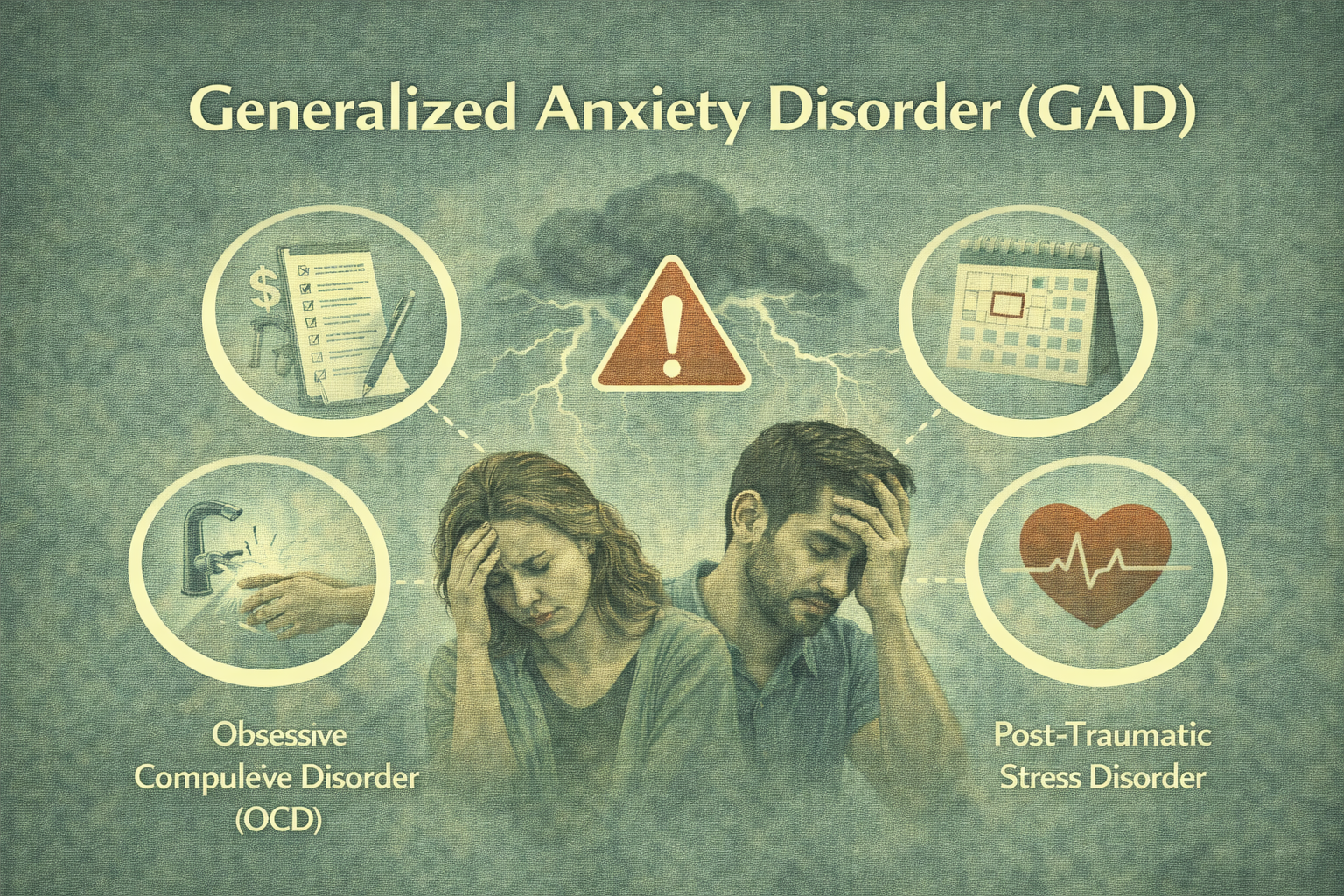
Did you know that an estimated 5.7% of U.S. adults experience Generalized Anxiety Disorder (GAD) at some point in their lives, often leading to relentless worry that feels impossible to shake off? Imagine lying awake at night, your mind racing through endless “what ifs” about work, health, or family, even when everything seems fine on the surface. This constant state of unease isn’t just stressful—it’s Generalized Anxiety Disorder (GAD), a common mental health condition that affects millions, disrupting daily routines and overall well-being.
GAD causes persistent anxiety that goes beyond normal worries, often accompanied by physical symptoms like restlessness and fatigue, making it hard to focus or enjoy life. Many people in the USA, especially women who are twice as likely to be affected, struggle silently, with only about 43% seeking treatment. This can lead to strained relationships, reduced productivity, and even co-occurring issues like depression.
In this article, you’ll discover GAD’s symptoms, causes, and diagnosis methods, along with effective treatments like cognitive behavioral therapy and medications, plus daily management strategies and natural remedies. We’ll also explore research-backed insights to help you take informed steps toward better mental health. Drawing from authoritative sources like the National Institute of Mental Health (NIMH) and Mayo Clinic, this guide provides medically accurate information to empower your journey. For a broader view, check our related article on anxiety disorders overview.
For a broader foundation, see our guide on Signs of Mental Health Issues: Complete Guide to Anxiety Disorders
What is Generalized Anxiety Disorder (GAD)?
Generalized Anxiety Disorder (GAD) is a chronic mental health condition characterized by excessive, uncontrollable worry about various aspects of daily life, such as work, health, or finances. Unlike occasional stress, GAD persists for at least six months and significantly impairs functioning. According to the NIMH, people with GAD often know their worries are out of proportion but struggle to control them.
This disorder affects how individuals perceive threats, leading to a heightened state of alertness that drains energy and focus. Research suggests that GAD can start in childhood or adolescence but may develop at any age, often triggered by life changes. Understanding GAD is crucial because early recognition can lead to effective management, improving quality of life.
Definition and Diagnostic Criteria
To diagnose GAD, excessive worry must occur more days than not for at least six months. Individuals experience difficulty controlling this worry, accompanied by at least three symptoms such as restlessness, fatigue, or irritability. These must cause significant distress or impairment in social, occupational, or other areas of functioning.
The Diagnostic and Statistical Manual of Mental Disorders (DSM-5) outlines these criteria, emphasizing that the anxiety isn’t better explained by another condition. For example, the worry shifts from one topic to another, unlike focused fears in other anxiety disorders.
Prevalence in the USA
GAD affects about 2.7% of U.S. adults annually, with a lifetime prevalence of 5.7%. Women are affected at a rate of 3.4%, compared to 1.9% for men. It often begins in childhood or adolescence but can emerge later in life.
Prevalence is higher in high-income countries, and only about half of those affected seek treatment. This underscores the need for greater awareness in the USA.
GAD vs. Normal Worry
Normal worry is temporary, focused on specific issues, and often resolves with action. In contrast, GAD involves chronic, shifting worries that persist even without real threats, impacting physical health and daily life.
While everyone worries occasionally, GAD’s intensity leads to avoidance and reduced quality of life, unlike brief concerns that motivate problem-solving.
Research Shows: A study from the National Comorbidity Survey Replication indicates that GAD’s lifetime prevalence is 5.7%, highlighting its widespread impact beyond normal stress.
For a broader foundation, see our guide on Signs of Mental Health Issues: Types of Anxiety Disorders
Why Does Generalized Anxiety Disorder (GAD) Matter?
Generalized Anxiety Disorder (GAD) isn’t just an emotional burden; it profoundly affects overall health and society. Untreated, it can lead to chronic issues, emphasizing the importance of addressing it promptly. This section explores its far-reaching consequences.
Recognizing why GAD matters helps motivate seeking help, as effective management can restore balance and prevent escalation.
Impact on Daily Life
GAD interferes with work productivity, often causing concentration difficulties and absenteeism. It strains social interactions, leading to isolation as individuals avoid situations that trigger worry.
This results in avoidance behaviors, like skipping events, which further reduces quality of life and perpetuates the cycle of anxiety.
Long-term Health Consequences
GAD increases the risk of co-occurring conditions, such as depression or substance misuse. It is also linked to physical problems like cardiovascular issues or chronic pain due to sustained stress.
Over time, this can weaken the immune system and exacerbate existing health conditions.
Economic and Social Costs
GAD contributes to higher healthcare utilization and lost workdays, costing billions annually in the USA. It affects families through emotional strain and reduced community participation.
Communities bear the burden via increased support needs for those impacted.
For insights on how mental health influences work, see our related article on mental health and productivity.
Symptoms of Generalized Anxiety Disorder
Symptoms of Generalized Anxiety Disorder (GAD) blend emotional and physical elements, making it challenging to identify. They persist and intensify over time, affecting adults differently based on life stages. Awareness aids in early intervention.
Psychological Symptoms
Persistent excessive worry about everyday matters, like finances or health, dominates thoughts. Individuals anticipate disasters, leading to irritability, difficulty concentrating, and a mind that goes blank under stress.
This mental exhaustion can feel overwhelming, as worries shift without resolution.
Physical Symptoms
Common signs include muscle tension, restlessness, and fatigue from constant alertness. Sleep disturbances, sweating, trembling, nausea, or headaches often accompany the anxiety.
These symptoms mimic other conditions, sometimes leading to misdiagnosis.
GAD Symptoms in Adults
In adults, worries center on job security, family well-being, or personal health. Symptoms may worsen during stressful periods but remain chronic, differing from temporary anxiety.
Women may experience more intense symptoms, including fatigue and irritability.
Learn more in our article on recognizing mental health signs.
Expert Insight: As noted by mental health professionals, “GAD symptoms often build gradually, so tracking patterns can help distinguish them from normal stress.”
Causes of Generalized Anxiety Disorder
The causes of Generalized Anxiety Disorder (GAD) involve a mix of factors, with no single trigger. Understanding these can demystify the condition and guide prevention. GAD often emerges from interplay between biology and environment.
Biological Factors
Imbalances in brain chemicals like serotonin and norepinephrine contribute to GAD. Differences in brain function, particularly in areas processing threats, heighten anxiety responses.
Research suggests these neurochemical shifts make individuals more prone to worry.
Environmental Factors
Stressful life events, such as trauma, loss, or chronic illness, can precipitate GAD. Childhood adversity or recent changes, like job loss, amplify vulnerability.
These triggers interact with personal coping styles to sustain anxiety.
Genetic Influences
A family history increases risk, though genetics aren’t deterministic. Genes may predispose individuals, but environmental factors often activate the disorder.
Studies show a heritable component, with interactions heightening susceptibility.
How is Generalized Anxiety Disorder Diagnosed?
Diagnosing Generalized Anxiety Disorder (GAD) involves careful assessment to rule out other causes. It’s a step-by-step process ensuring accuracy. Early diagnosis improves outcomes.
Screening Tools
The GAD-7 questionnaire assesses symptom severity with seven questions. Scores of 10 or higher suggest moderate anxiety, prompting further evaluation.
This free tool is widely used for initial screening.
Professional Assessment
A clinical interview evaluates worry duration and impact. Medical causes, like thyroid issues, are ruled out through exams.
Healthcare providers consider how symptoms impair daily life.
GAD vs Panic Disorder
GAD features chronic, generalized worry without triggers, while panic disorder involves sudden, intense attacks with physical symptoms like heart palpitations.
Overlap exists, but GAD lacks the acute episodes of panic.
Treatment Options for GAD
Treatment for GAD often combines approaches for optimal results. Options range from therapy to medication, tailored to individual needs. Research shows high efficacy when adhered to.
Cognitive Behavioral Therapy for GAD
CBT focuses on changing negative thought patterns and behaviors fueling anxiety. It teaches skills to challenge worries and build resilience.
Studies indicate remission rates up to 51-65% post-treatment and at follow-up.
Medication for Generalized Anxiety
SSRIs like sertraline or SNRIs like venlafaxine are first-line, balancing brain chemicals. Benzodiazepines provide short-term relief but risk dependency.
Consult a doctor for monitoring side effects.
Combination Therapy
Combining CBT with medication is often more effective for severe cases, with higher remission than either alone. Tailoring based on severity enhances outcomes.
Many find success with online CBT programs like those from reputable apps, offering flexible access.
Pro Tip: Start CBT early; research suggests it provides lasting tools, reducing relapse compared to medication alone.
How to Manage GAD Daily
Daily management of GAD involves practical strategies to reduce symptoms. Consistency builds habits that foster calm. These complement professional treatments.
Coping Strategies for GAD
Practice mindfulness to stay present, reducing rumination. Deep breathing exercises, like 4-7-8 technique, calm the nervous system.
Journaling helps externalize and challenge worries effectively.
Living with GAD Tips
Establish routines for sleep, exercise, and nutrition to stabilize mood. Build a support network and set boundaries to avoid overload.
Prioritize self-care to prevent flare-ups.
Exercises for Generalized Anxiety
Progressive muscle relaxation eases tension by tensing and releasing muscles. Yoga or aerobic activities like walking reduce anxiety hormones.
Aim for 30 minutes daily for noticeable benefits.
See our daily mental health routines article.
Natural Remedies for GAD
Natural remedies can support GAD management alongside professional care. They’re not substitutes but may ease symptoms. Always consult a doctor.
Lifestyle Changes
Regular physical activity, like walking, and a balanced diet rich in omega-3s help regulate mood. Limit caffeine and alcohol, which can exacerbate anxiety.
These changes promote overall well-being.
Herbal Supplements
Options like chamomile or valerian may calm nerves, but evidence is mixed. Consult a healthcare provider to avoid interactions.
They’re adjuncts, not primary treatments.
Mindfulness and Relaxation Techniques
Meditation apps guide practices that foster relaxation. Guided imagery visualizes calm scenarios to counter worry.
Progressive relaxation targets physical symptoms effectively.
Consider books like “The Anxiety and Worry Workbook” by David A. Clark for practical strategies.
Important: Natural remedies may interact with medications; always discuss with your doctor before starting.
Scientific Evidence & Research
Research on GAD highlights its treatability with evidence-based approaches. Studies from NIMH and journals provide robust data. This section summarizes key findings.
Clinical Studies
Randomized controlled trials show CBT reduces symptoms with effect sizes up to 1.09, achieving 51-71% remission. Combination therapy with medication outperforms single modalities for severe cases.
Yoga and exercise yield 40-60% symptom reduction in adjunct roles.
Expert Opinions
NIMH experts emphasize early intervention with therapy and meds. The Anxiety and Depression Association of America (ADAA) notes women’s higher risk and self-help’s complementary role.
Professionals recommend personalized plans.
Statistical Data
Annually, 2.7% of U.S. adults have GAD, with 5.7% lifetime prevalence; only 43% treated. Females: 3.4% vs. males 1.9%.
For more, see NIMH GAD page, Mayo Clinic studies, and JAMA Psychiatry meta-analysis.
Common Mistakes to Avoid
Avoiding common pitfalls in managing GAD can prevent worsening symptoms. Awareness promotes better strategies. Here are key errors with alternatives.
Mistake #1: Avoiding Anxiety Triggers
Dodging situations reinforces fear, limiting life experiences. This increases isolation and dependency on safety behaviors.
Better approach: Use gradual exposure through CBT to build tolerance and confidence.
Mistake #2: Relying on Unhealthy Coping like Substances
Using alcohol or drugs masks symptoms temporarily but leads to dependency and heightened anxiety. It avoids root causes.
Seek therapy instead for sustainable skills; professional help addresses underlying issues.
Mistake #3: Misinterpreting Symptoms as Physical Only
Attributing fatigue or tension to purely medical issues delays mental health diagnosis. This misses holistic treatment.
Consult a mental health professional for integrated care, combining physical and psychological evaluations.
Frequently Asked Questions (FAQs)
What are the signs of GAD in women?
Women are twice as likely to experience GAD, with signs including excessive worry about family or health, irritability, fatigue, and physical symptoms like muscle tension. These may intensify during hormonal changes or stress. Early recognition improves outcomes; if symptoms persist, consult a healthcare provider for tailored support.
Is there a GAD test online free?
Yes, the GAD-7 questionnaire is available free online from sources like NIMH, assessing symptom severity with scores indicating mild to severe anxiety. It’s a screening tool, not a diagnosis. Follow up with a doctor for accurate evaluation and to rule out other conditions.
What are the best books on GAD?
Recommended reads include “The Anxiety and Worry Workbook” by David A. Clark and “Worry Less, Live More” by Susan M. Orsillo, offering CBT-based strategies for managing worry. These books provide practical exercises and insights. Pair them with professional therapy for best results.
What is cognitive behavioral therapy for GAD?
CBT for GAD involves identifying and challenging negative thought patterns, building coping skills, and gradual exposure to worries. It’s highly effective, with studies showing 51-71% symptom reduction in 60-70% of patients. Sessions typically last 12-16 weeks; discuss with a therapist if it’s right for you.
How do natural remedies for GAD work?
Natural remedies like exercise, mindfulness, and herbal teas (e.g., chamomile) reduce stress and promote relaxation by balancing hormones and improving sleep. They complement treatments but aren’t standalone. Evidence is mixed; consult a provider to ensure safety and avoid interactions with medications.
What is the difference between GAD vs panic disorder?
GAD features chronic, generalized worry without specific triggers, lasting months, while panic disorder involves sudden, intense attacks with symptoms like rapid heartbeat. Both can co-occur, but GAD is ongoing. CBT helps differentiate and treat unique aspects; seek professional assessment if experiencing either.
What are treatment options for GAD?
Options include CBT, medications like SSRIs, lifestyle changes, and combinations, with remission possible in many through consistent management. Tailored plans work best; start with therapy for long-term skills. If symptoms interfere daily, consult a mental health professional promptly.
Conclusion
Understanding and managing Generalized Anxiety Disorder (GAD) offers profound benefits, from reclaiming daily joy to preventing long-term health complications. By recognizing symptoms early and adopting evidence-based strategies like CBT or lifestyle adjustments, you can reduce worry’s grip, fostering resilience and improved relationships. The value lies in empowerment—equipping yourself with tools that transform overwhelming anxiety into manageable moments.
Restate the primary value: This knowledge about GAD provides a roadmap to better mental health, supported by research showing high remission rates with proper care. Take a clear next step: Schedule a consultation with a mental health professional for personalized assessment, or try the free GAD-7 screening online today.
We encourage you to consult a mental health professional for tailored guidance—it’s a strong step forward. For more resources, visit our hub page on anxiety management. Remember, seeking help is a sign of strength; with the right support, a calmer life is within reach.
Medical Disclaimer:
This article is for informational purposes only and not a substitute for professional medical advice. Always consult a healthcare provider for diagnosis and treatment. If you’re experiencing a mental health crisis, call the 988 Suicide & Crisis Lifeline or visit your nearest emergency room. For non-emergency support, contact the SAMHSA National Helpline at 1-800-662-4357. The content is based on current research and expert consensus as of 2026, but medical knowledge evolves. Verify information with your healthcare provider.