Did you know that over 40 million adults in the USA live with anxiety disorders, making them the most common mental health conditions? If you’ve ever felt overwhelmed by constant worry, racing thoughts, or sudden fear that disrupts your daily routine, you’re far from alone. Many people grapple with these symptoms but struggle to pinpoint the exact type of anxiety disorder affecting them, leading to delayed help and unnecessary suffering.
In this article, you’ll discover the various types of anxiety disorders, including their symptoms, causes, and proven management strategies. We’ll break down complex information into practical insights to help you recognize signs in yourself or loved ones and take informed steps toward relief. Whether you’re seeking understanding or actionable advice, this guide empowers you to navigate mental health with confidence.
Backed by insights from authoritative sources like the National Institute of Mental Health (NIMH) and Mayo Clinic, our content draws from the latest research to ensure accuracy and reliability.
For a broader foundation, see our guide on Signs of Mental Health Issues: Complete Guide to Anxiety Disorders
What Are the Types of Anxiety Disorders?
Anxiety disorders encompass a range of conditions characterized by excessive fear, worry, or apprehension that interferes with daily life. Understanding the types of anxiety disorders is crucial because each has unique triggers and manifestations, yet they all stem from similar biological and environmental factors. According to the NIMH, about 19.1% of U.S. adults experience any anxiety disorder in a given year, highlighting their widespread impact.
This section explores the main types of anxiety disorders, drawing from DSM-5 classifications, to help you identify potential signs and seek appropriate support.
Common Types of Anxiety Disorders
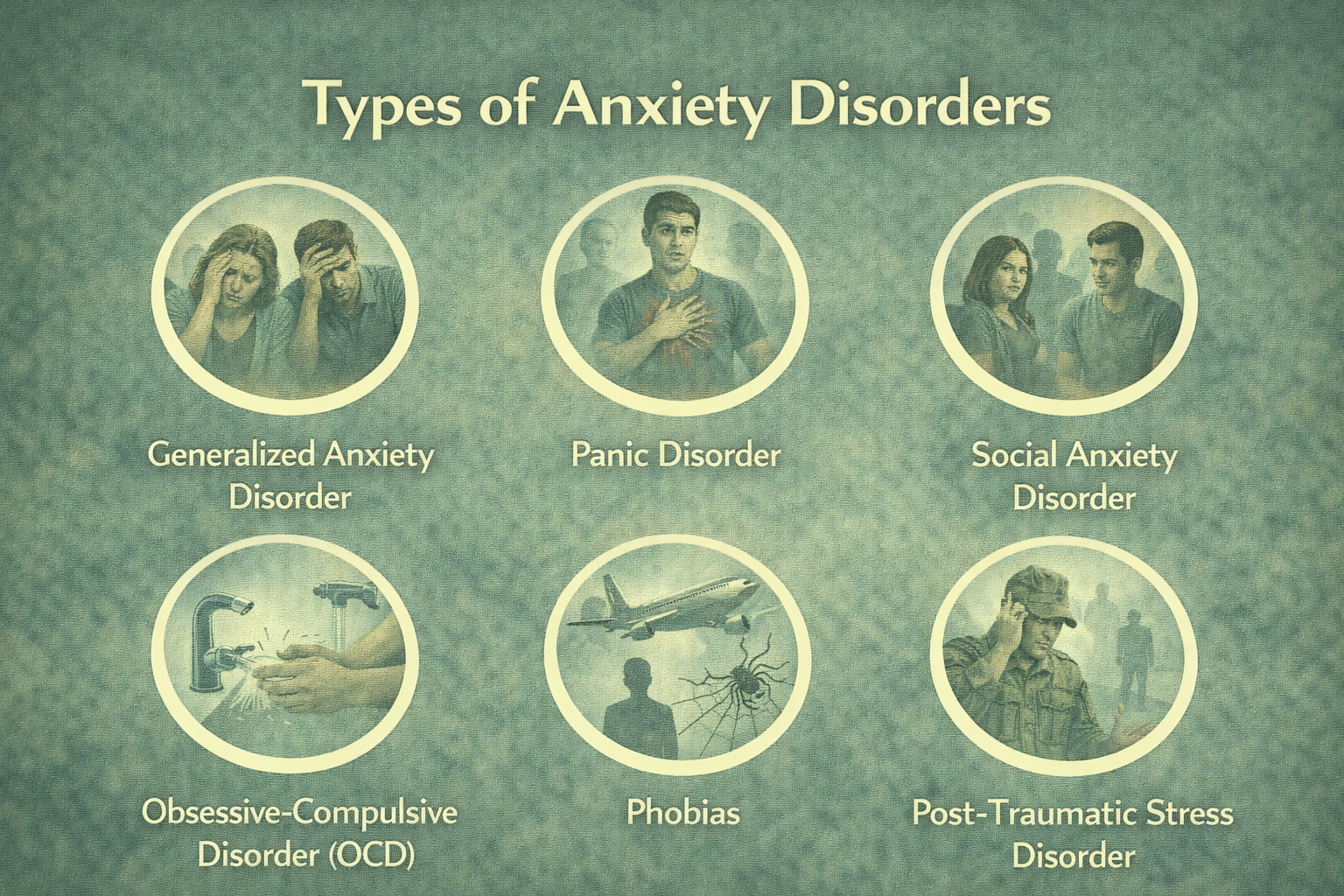
The primary types of anxiety disorders include generalized anxiety disorder (GAD), panic disorder, social anxiety disorder, specific phobias, agoraphobia, separation anxiety disorder, post-traumatic stress disorder (PTSD), and obsessive-compulsive disorder (OCD). GAD involves chronic worry about everyday matters, while panic disorder features sudden, intense fear episodes.
Based on DSM-5, these disorders are diagnosed when symptoms persist for at least six months and cause significant distress. In the USA, specific phobias affect about 9.1% of adults, social anxiety 7.1%, GAD 3.1%, and panic disorder 2.7%, per NIMH data.
Prevalence varies by demographics, with women twice as likely to be affected overall.
Difference Between Anxiety and Panic Disorder
Normal anxiety is a natural response to stress, like feeling nervous before a job interview, and it typically resolves quickly. In contrast, anxiety disorders involve persistent, disproportionate fear that doesn’t subside easily.
Panic disorder stands out with its sudden onset of intense physical symptoms, such as heart palpitations or dizziness, often without an obvious trigger. Unlike generalized anxiety, which simmers constantly, panic attacks peak within minutes and can mimic heart attacks.
This distinction matters because treatments may differ—panic often responds well to techniques targeting acute episodes.
Anxiety Disorders in Children Symptoms
In children, anxiety disorders may appear as clinginess, irritability, or physical complaints like stomachaches, rather than verbalized worry seen in adults. Early signs include school avoidance, sleep disturbances, or excessive reassurance-seeking.
Symptoms differ by age: Younger kids might fear separation, while teens could experience social anxiety. Research from NIMH shows about 7% of children aged 3-17 have anxiety issues annually, emphasizing the need for early intervention to prevent long-term effects.
Parents should watch for behavioral changes and consult professionals if symptoms persist.
Research Shows:
A NIMH study indicates that untreated childhood anxiety can lead to adult depression in up to 50% of cases, underscoring the importance of early recognition.
For a broader foundation, see our guide on Signs of Mental Health Issues: What is Anxiety Disorder?
Why Do Types of Anxiety Disorders Matter?
Recognizing the types of anxiety disorders is essential because they can profoundly affect quality of life if left unaddressed. Untreated, they may escalate, leading to isolation, job loss, or health complications. Statistics reveal that only about 43% of those with GAD receive treatment, per the Anxiety and Depression Association of America (ADAA), leaving many to suffer unnecessarily.
Understanding why these disorders matter helps motivate seeking help and fosters empathy for those affected.
Impact on Daily Life and Health
Anxiety disorders take a heavy physical and emotional toll, increasing risks for depression, substance use, and chronic conditions like heart disease. Daily functioning suffers—simple tasks become daunting, straining relationships and work performance.
Untreated anxiety contributes to chronic issues; for instance, ADAA reports that people with anxiety are six times more likely to be hospitalized for psychiatric disorders. This highlights the urgency of addressing symptoms promptly.
Causes of Specific Phobias and Other Triggers
Specific phobias often arise from genetic predispositions, traumatic experiences, or learned behaviors, such as fearing heights after a fall. Broader triggers for anxiety disorders include brain chemistry imbalances, like low serotonin, and life stresses such as job loss or illness.
Environmental factors, including childhood adversity, play a role, with research linking them to heightened amygdala activity—the brain’s fear center.
Symptoms of PTSD Disorder
PTSD, a trauma-related anxiety disorder, features flashbacks, nightmares, and hypervigilance following events like accidents or violence. It overlaps with other disorders through shared symptoms like avoidance and emotional numbing.
Unique to PTSD is the re-experiencing of trauma, which can disrupt sleep and concentration. NIMH estimates 3.6% of U.S. adults experience PTSD annually, often co-occurring with depression.
What Is Generalized Anxiety Disorder?
Generalized anxiety disorder (GAD) is one of the most prevalent types of anxiety disorders, marked by excessive, uncontrollable worry about various aspects of life. It affects daily functioning and can feel exhausting, but with proper management, many find relief. Research suggests GAD impacts 3.1% of U.S. adults, often starting in adulthood.
This section delves into its hallmarks to help you recognize and address it.
Symptoms and Signs
GAD symptoms include persistent worry, restlessness, fatigue, difficulty concentrating, irritability, and physical issues like muscle tension or sleep problems. These differ from everyday stress by their intensity and duration, lasting at least six months.
You might find yourself overthinking routine matters, leading to a cycle of anxiety that feels hard to break.
Causes and Risk Factors
Genetics play a role in GAD, with family history increasing susceptibility. Brain function abnormalities, such as imbalances in neurotransmitters, and environmental stressors like chronic illness or financial strain contribute.
Women face higher prevalence, possibly due to hormonal factors, per NIMH data.
Natural Remedies for Generalized Anxiety
Lifestyle changes like regular exercise, mindfulness meditation, and a balanced diet may help manage GAD symptoms. Herbal options, such as chamomile tea, show promise in small studies for reducing worry.
Evidence from Mayo Clinic indicates lemon balm might ease excitability, but consult a doctor before trying supplements.
A popular option is mindfulness apps like Calm, which offer guided sessions to build resilience against anxiety.
Expert Insight:
As a clinical psychologist might note, “Integrating natural remedies with therapy often yields the best results, but they’re not a substitute for professional care.”
What Is Social Anxiety Disorder?
Social anxiety disorder goes beyond shyness—it’s an intense fear of social situations where you might be judged or embarrassed. This can lead to avoidance of interactions, impacting career and relationships. Affecting 7.1% of U.S. adults, it often emerges in adolescence.
Understanding its nuances can guide effective coping.
Symptoms of Social Anxiety Disorder
Key symptoms include fear of scrutiny, physical reactions like blushing or sweating, and avoidance of social settings. These behaviors can result in isolation, exacerbating feelings of loneliness.
Daily scenarios, like public speaking, become overwhelming triggers.
Treatment Options
Cognitive behavioral therapy (CBT), exposure therapy, and selective serotonin reuptake inhibitors (SSRIs) are frontline treatments. Self-help strategies, such as gradual social exposure, complement professional approaches.
Many find group therapy helpful for practicing skills in a safe environment.
Online Test for Anxiety Disorder
Self-assessments, like those from ADAA, can indicate social anxiety by scoring fear levels in social contexts. While useful for awareness, they’re not diagnostic—follow up with a professional.
These tools empower initial steps toward understanding your experiences.
What Is Panic Disorder?
Panic disorder involves recurrent, unexpected panic attacks—sudden surges of terror accompanied by physical symptoms. It affects 2.7% of U.S. adults and can lead to fear of future episodes, altering behaviors. Early recognition is key to management.
This overview provides clarity on its features.
Signs of Panic Disorder
Signs include abrupt attacks with heart palpitations, shortness of breath, dizziness, or feelings of impending doom. The fear of recurrence often prompts avoidance of certain places.
Attacks last minutes but feel eternal, mimicking serious health issues.
Different Types of Anxiety Attacks
Panic attacks can be expected (triggered by phobias) or unexpected (no clear cause). Duration varies, peaking in 10 minutes, with intensity ranging from mild to severe.
Understanding types aids in tailored coping.
Management Techniques
Breathing exercises, like 4-7-8 technique (inhale 4 seconds, hold 7, exhale 8), help during attacks. Grounding methods, such as naming five sensory inputs, redirect focus.
Regular practice reduces frequency over time.
Pro Tip:
Keep a panic journal to track triggers and patterns—this insight can make attacks feel more predictable and less frightening.
Other Types of Anxiety Disorders
Beyond common forms, other types of anxiety disorders like separation anxiety, agoraphobia, and OCD present unique challenges. These often overlap, requiring nuanced approaches. Comparing symptoms highlights shared and distinct traits.
Here’s a closer look at these variations.
Treatment for Separation Anxiety Disorder
Separation anxiety involves excessive fear of being apart from loved ones, manifesting in adults as relationship clinginess or work absences. In children, it shows as school refusal.
Therapy, like CBT, focuses on building independence; medications may assist severe cases.
How to Manage Agoraphobia
Agoraphobia entails fear of situations where escape feels difficult, like crowds or open spaces, leading to homebound lifestyles. Gradual exposure therapy, starting small, rebuilds confidence.
Support from therapists is vital for progress.
Obsessive Compulsive Disorder Types
OCD features intrusive thoughts (obsessions) and repetitive behaviors (compulsions), like checking locks or hoarding. It’s on the anxiety spectrum due to underlying fear.
Types include contamination fears or symmetry obsessions, treated with exposure response prevention.
| Disorder | Key Symptoms | Prevalence in USA |
| Separation Anxiety | Fear of parting from attachments | ~4% adults |
| Agoraphobia | Avoidance of public spaces | ~1.7% |
| OCD | Intrusive thoughts, rituals | 1.2% |
How to Treat Types of Anxiety Disorders
Treating types of anxiety disorders often involves a multifaceted approach, combining therapy, medication, and lifestyle adjustments. Success rates are high, with many experiencing significant improvement. Starting treatment early enhances outcomes.
Consult professionals to customize plans.
Professional Treatments
CBT restructures thought patterns, while SSRIs like sertraline balance brain chemistry, reducing symptoms in 50-70% of cases. Therapy options include individual or group sessions.
Seek help when symptoms disrupt life—primary care doctors can refer specialists.
Best Practices and Expert Tips
Incorporate daily routines like consistent sleep and balanced nutrition to buffer anxiety. Experts recommend 30 minutes of mindfulness or exercise daily.
Track progress with apps for accountability.
Home Management Strategies
Journaling thoughts clarifies patterns, while support groups provide community. Relaxation techniques, like progressive muscle relaxation, offer immediate relief.
Combine with professional care for best results.
If symptoms persist, consider booking a consultation with a mental health expert today.
Important:
Always consult a healthcare provider before starting treatments, as self-managing severe anxiety could worsen symptoms without proper guidance.
Scientific Evidence & Research
Research underscores the treatability of anxiety disorders, with studies showing substantial benefits from evidence-based interventions. Clinical data from NIMH and journals like JAMA Psychiatry provide robust support.
This section highlights key findings.
Clinical Studies
A meta-analysis in JAMA Psychiatry found CBT for GAD yields a standardized mean difference of -0.74, indicating moderate to large effects. Medication trials, such as those for SSRIs, show symptom reduction in 50-70% of participants.
Long-term follow-ups confirm sustained gains.
Expert Opinions
NIMH emphasizes early intervention to prevent comorbidity. Mayo Clinic advocates combined therapy and medication for optimal outcomes, noting lifestyle factors enhance efficacy.
Experts stress personalized approaches.
Statistical Data
Lifetime prevalence stands at 31.1% for U.S. adults, with women twice as affected. ADAA reports only 43% with GAD seek treatment, highlighting access gaps.
(For more, visit NIMH anxiety statistics or JAMA Psychiatry meta-analysis.)
Common Mistakes to Avoid
Navigating anxiety disorders requires awareness of pitfalls that can hinder progress. Avoiding these common errors promotes effective management and prevents escalation.
Learn from expert-recommended alternatives.
Mistake #1: Ignoring Early Symptoms
Dismissing mild worry as “normal” can lead to worsening and co-occurring issues like depression. Research shows untreated anxiety doubles chronic illness risk.
Better approach: Monitor symptoms via journaling and seek screening if they persist beyond two weeks.
Mistake #2: Self-Medicating with Alcohol or Drugs
Using substances for quick relief often exacerbates anxiety long-term, creating dependency cycles. Studies link this to higher relapse rates.
Instead, pursue professional guidance for safe, sustainable options like prescribed medications.
Mistake #3: Avoiding Triggers Completely
Total avoidance reinforces fears, shrinking your world and intensifying anxiety. It prevents learning that situations are manageable.
Frequently Asked Questions (FAQs)
What Is Generalized Anxiety Disorder?
Generalized anxiety disorder (GAD) is characterized by persistent, excessive worry about daily issues that lasts at least six months and interferes with life. It affects 3.1% of U.S. adults, often accompanied by physical symptoms like fatigue.
Research suggests it stems from genetic and environmental factors. Management includes therapy and lifestyle changes. Consult a professional for accurate diagnosis and personalized treatment.
What Are Common Types of Anxiety Disorders?
Common types of anxiety disorders include GAD, panic disorder, social anxiety, specific phobias, agoraphobia, separation anxiety, PTSD, and OCD. Each involves excessive fear but with distinct triggers, like social situations or trauma.
Prevalence varies: Phobias affect 9.1% of adults, per NIMH. Recognizing types aids in targeted interventions. Speak with a healthcare provider if symptoms match.
What Are Symptoms of Social Anxiety Disorder?
Symptoms of social anxiety disorder include intense fear of judgment in social settings, leading to blushing, sweating, trembling, and avoidance behaviors. It impacts 7.1% of U.S. adults, often starting in teens.
This can cause isolation and missed opportunities. CBT and exposure therapy are effective, with early treatment preventing worsening. Professional evaluation is recommended for confirmation.
What Are Signs of Panic Disorder?
Signs of panic disorder feature sudden panic attacks with rapid heartbeat, shortness of breath, chest pain, and fear of losing control. Attacks peak quickly and may lead to anticipatory anxiety.
Affecting 2.7% of adults, it can mimic medical emergencies. Treatment with CBT and medications provides relief for most. Seek immediate help if attacks are frequent.
How to Manage Agoraphobia?
To manage agoraphobia, start with gradual exposure to feared environments, paired with CBT to challenge avoidance thoughts. Relaxation techniques like deep breathing support the process.
Avoid total isolation, as it reinforces fears; build a support network. Therapy helps 60-80% regain functionality. Consult a mental health expert for a structured plan.
What Is the Difference Between Anxiety and Panic Disorder?
Anxiety disorders involve ongoing worry and fear, while panic disorder includes sudden, intense attacks without clear triggers. Both may coexist, but panic features acute physical symptoms like heart racing.
Treatments overlap, focusing on patterns. Understanding differences guides appropriate care. Discuss with a provider if experiencing either.
Conclusion
Grasping the types of anxiety disorders equips you to spot early signs, pursue evidence-based treatments like CBT, and reclaim a fuller life free from constant fear. This knowledge transforms overwhelming worry into manageable steps, fostering resilience and well-being.
Our guide offers in-depth strategies for various anxiety types, empowering lasting mental health improvements.
If symptoms interfere with your routine, schedule a consultation with a mental health professional today—it’s a powerful first step.
Medical Disclaimer:
This article is for informational purposes only and is not a substitute for professional medical advice, diagnosis, or treatment. Always seek the advice of your physician or qualified health provider with any questions you may have regarding a medical condition. If you’re experiencing a mental health crisis, please call the 988 Suicide & Crisis Lifeline or visit your nearest emergency room. For non-emergency support, contact the Substance Abuse and Mental Health Services Administration (SAMHSA) National Helpline at 1-800-662-4357. The content in this article is based on current research and expert consensus as of 2026, but medical knowledge evolves. Always verify information with your healthcare provider.