Did you know that depression affects about 13.1% of adolescents and adults aged 12 and older in the United States, according to recent data from the Centers for Disease Control and Prevention? Even famous people with depression, such as Abraham Lincoln and Lady Gaga, have faced this common mental health challenge, proving that it can touch anyone regardless of success or status.
Depression can lead to feelings of isolation, persistent sadness, and a stigma that prevents many from seeking help. For those aged 25-55 searching for mental health information, these struggles often feel overwhelming, compounded by daily responsibilities and societal expectations. Unaddressed, it may interfere with work, relationships, and overall well-being.
In this article, we’ll explore stories of famous people with depression, from historical figures to modern celebrities, to provide inspiration and reduce stigma. You’ll learn about symptoms, causes, and evidence-based ways to manage it, including practical tips and expert insights. Backed by research from the National Institutes of Health (NIH) and sources like Mayo Clinic, this guide aims to empower you with knowledge to support your mental health journey.
For related reading, see our guide on Signs of Mental Health Issues: Ultimate Guide to Understanding Depression
What is Depression?
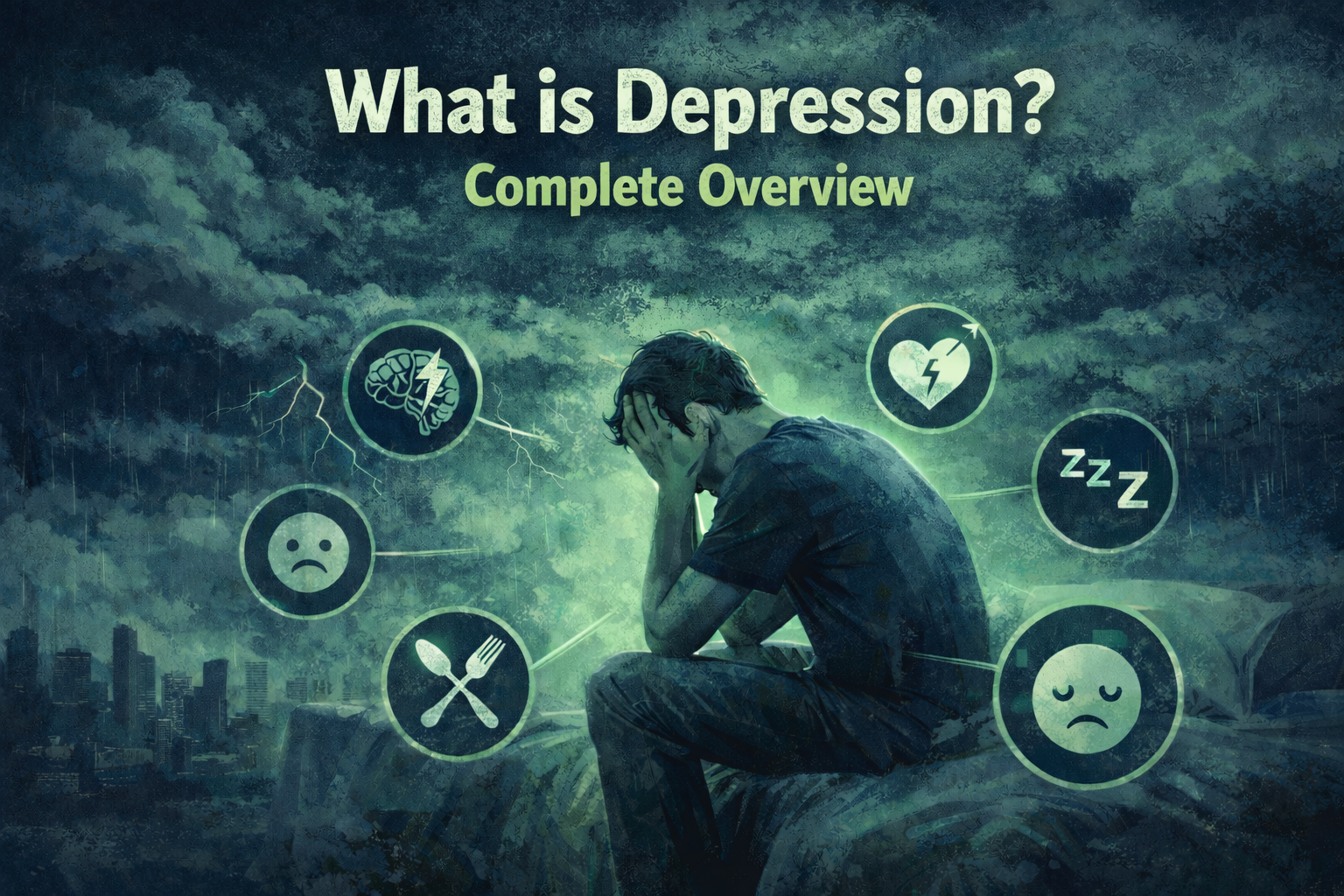
Depression is more than just feeling sad—it’s a serious mental health condition that affects how you think, feel, and handle daily activities. Famous people with depression often describe it as a persistent cloud that impacts their lives, but understanding it is the first step toward management. This section covers the basics to help you recognize it in yourself or others.
Research suggests that depression involves complex interactions between brain chemistry, genetics, and life experiences. According to the NIH, it can strike anyone, including high-achievers like those we’ll discuss later. Knowing the signs early can lead to better outcomes.
Symptoms of Depression
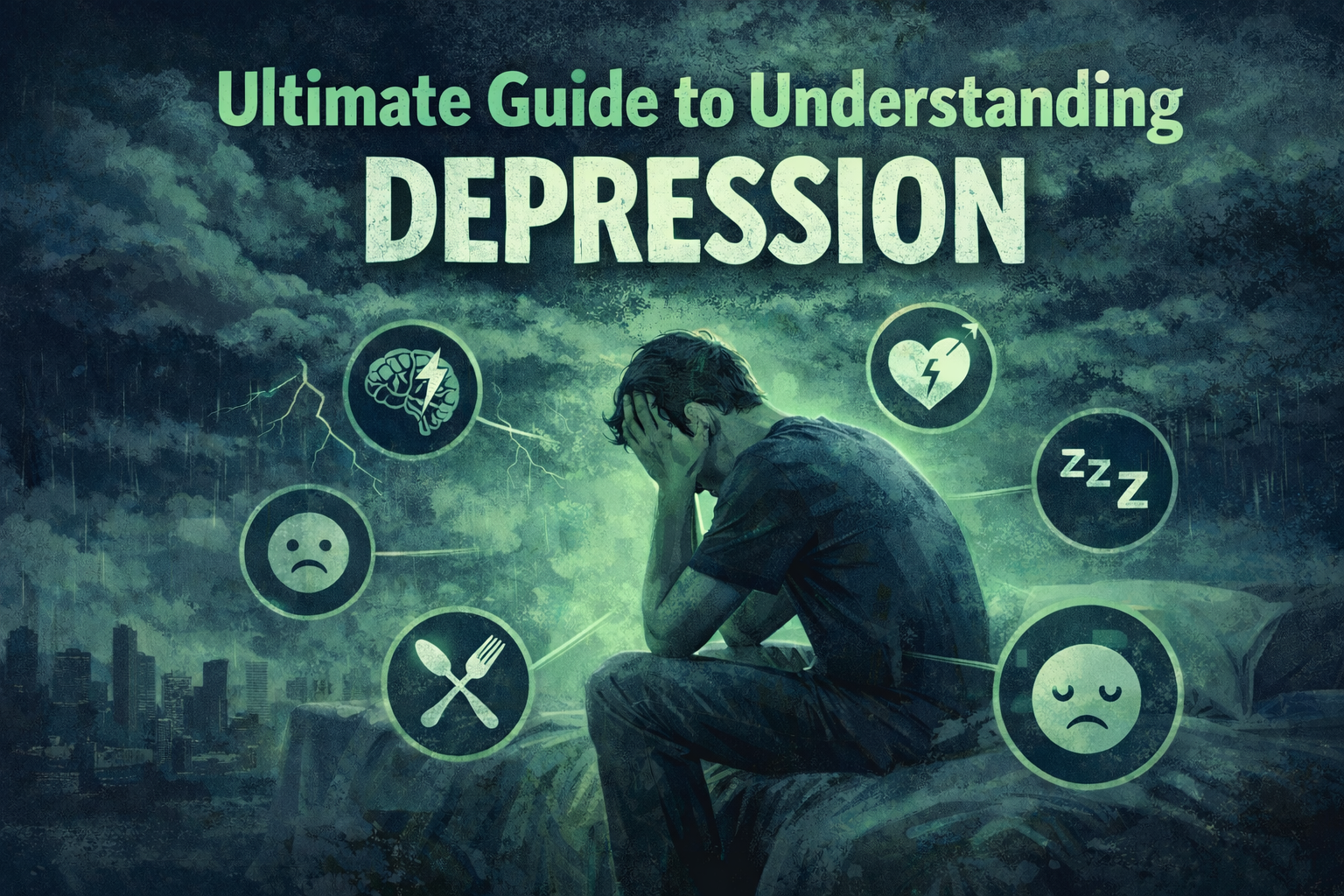
Persistent sadness or a low mood is a hallmark symptom, often lasting for weeks or more. You might feel empty, hopeless, or irritable without clear reason. Famous people with depression, such as musicians and actors, have shared how this emotional weight made even simple tasks feel impossible.
Loss of interest in activities once enjoyed, known as anhedonia, is another key sign. Hobbies, social events, or work may lose their appeal. Additionally, fatigue can make you feel constantly tired, even after rest, while changes in sleep or appetite—either too much or too little—further disrupt daily life.
These symptoms can vary in intensity but often build gradually. If they persist, consulting a healthcare professional is crucial.
Causes and Risk Factors
Biological factors like imbalances in brain chemicals, such as serotonin and norepinephrine, play a significant role. Genetics also contribute; if a family member has depression, your risk increases. Environmental stressors, including trauma, loss, or chronic illness, can trigger episodes.
The impact on daily life is profound, straining relationships and reducing productivity. For instance, famous people with depression have spoken about how public scrutiny amplified their struggles. Recognizing these factors helps in seeking targeted support.
Types of Depression
Major depressive disorder involves severe symptoms that interfere with functioning for at least two weeks. It’s what many associate with clinical depression.
Persistent depressive disorder, or dysthymia, is a milder but chronic form lasting two years or more. Seasonal affective disorder ties to reduced sunlight in winter months, causing mood dips.
Each type responds to treatment, but early intervention is key. Speak with a doctor to determine the best approach.
Pro Tip: Track your moods in a journal for a week. Note patterns tied to sleep, diet, or stress—this simple habit can reveal triggers and make discussions with a therapist more productive.
For accompanying reading, please refer to our Adviser on ‘Signs of Mental Health Issues:’ Types of Depression Explained
Why Famous People with Depression Matters
Stories of famous people with depression highlight that mental health challenges don’t discriminate, even among the successful. This awareness can inspire hope and encourage open conversations. We’ll explore how these narratives reduce stigma and promote broader societal change.
When public figures share their experiences, it humanizes depression. Research shows this can motivate others to seek help, turning personal struggles into collective progress.
Reducing Stigma Through Celebrity Stories
Celebrities sharing experiences normalize mental health discussions, making it less taboo. For example, when stars like Dwayne Johnson talk openly, it shows vulnerability as strength.
This increases awareness and encourages help-seeking. Studies from the NIH indicate that such disclosures can lower self-stigma, helping people feel less ashamed.
Inspiration from Public Figures
These stories show success despite challenges, proving depression doesn’t define you. Historical figures like Winston Churchill achieved greatness while managing their “black dog.”
They highlight resilience and recovery, offering role models for perseverance. Seeing triumphs over adversity can boost motivation for your own journey.
Broader Societal Impact
Public disclosures promote empathy and stronger support systems. Communities become more understanding, reducing isolation.
They also influence policy and funding for mental health. Advocacy from famous people with depression has led to increased resources and research investments.
Research Shows: A 2022 study in Epidemiology and Psychiatric Sciences found that celebrity disclosures can reduce public stigma by up to 20%, encouraging more people to discuss mental health openly.
For accompanying reading, please refer to our Adviser on ‘Signs of Mental Health Issues:’ Depression Stigma and Society
Famous Celebrities with Depression
Modern celebrities often use their platforms to discuss depression, fostering connection and hope. Famous people with depression like these show that fame doesn’t shield anyone from mental health issues. Their stories provide relatable insights and strategies for coping.
These disclosures remind us that seeking help is a sign of strength. Let’s look at a few examples.
Dwayne Johnson and His Battles
Dwayne Johnson, known as “The Rock,” experienced depression after family issues and career setbacks in his youth. He described feeling overwhelmed, unable to get out of bed.
He overcame it through therapy and openness, sharing his story to help others. Johnson emphasizes talking about feelings as a key to recovery.
Today, he advocates for mental health, showing that vulnerability leads to strength.
Lady Gaga’s Journey
Lady Gaga has shared her struggles with chronic pain and depression, stemming from trauma and fibromyalgia. She felt isolated despite her success.
She founded the Born This Way Foundation to support youth mental health. Through therapy and advocacy, Gaga manages her symptoms effectively.
Her openness inspires fans to prioritize their well-being.
Selena Gomez’s Experiences
Selena Gomez dealt with bipolar disorder and depression amid health issues and public pressure. She took breaks for treatment, including therapy.
She advocates through her Wondermind platform, offering resources for mental health. Gomez’s journey highlights the importance of professional support.
Her story encourages young people to seek help without shame.
Historical Figures with Depression
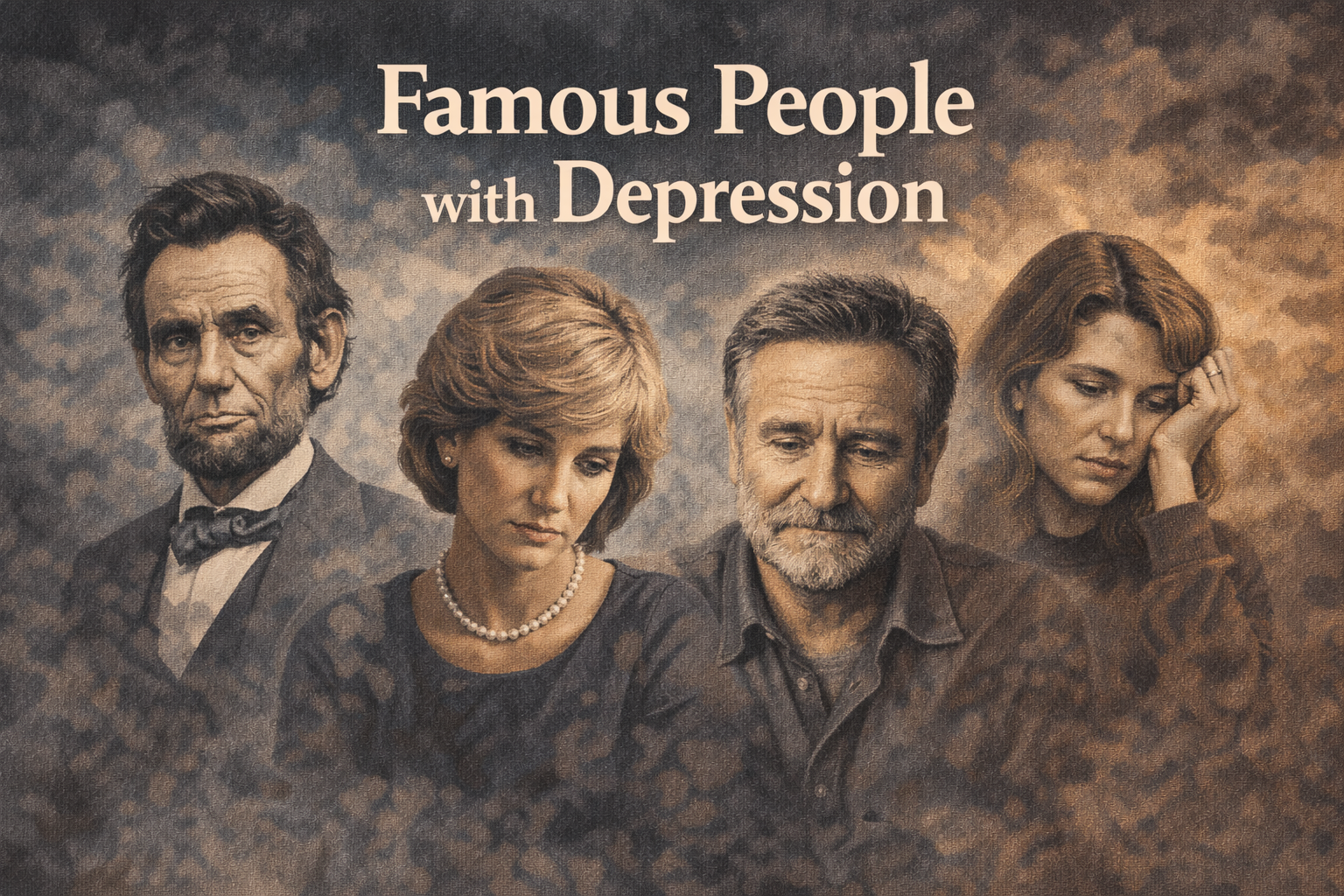
Famous people with depression aren’t new—many historical figures battled it while shaping the world. Their stories offer timeless lessons on resilience. Understanding their experiences can provide perspective on your own.
These accounts, drawn from biographies and letters, show depression’s long history.
Abraham Lincoln’s Melancholy
Abraham Lincoln suffered severe bouts of depression, or “melancholy,” leading to suicidal thoughts in his younger years. Friends worried for his safety.
He channeled this into empathetic leadership during the Civil War. Lincoln’s perseverance made him a revered president.
His story illustrates how famous people with depression can achieve greatness.
Winston Churchill’s Black Dog
Winston Churchill termed his depression the “black dog,” a persistent companion throughout his life. It brought periods of deep despair.
He managed through intense work, painting, and routine. As Prime Minister, he led Britain through WWII.
Churchill’s openness about his struggles helped normalize mental health talks.
Virginia Woolf’s Struggles
Virginia Woolf experienced bipolar-like symptoms, including manic highs and depressive lows. These influenced her writing but led to a tragic end.
She expressed her inner turmoil in novels like “Mrs. Dalloway.” Woolf’s life highlights the creative-depression link.
Famous people with depression like Woolf remind us of the need for support.
Expert Insight: As a clinical psychologist might note, “Historical figures like Lincoln teach us that depression can coexist with profound empathy and leadership—seeking help amplifies these strengths.”
Musicians Who Suffered Depression
Music often reflects personal pain, and many musicians have channeled depression into art. Famous people with depression in this field show how creativity can aid healing. Their stories resonate with fans facing similar issues.
Sharing experiences through songs builds community and reduces isolation.
Bruce Springsteen’s Story
Bruce Springsteen battled long-term depression in his 60s, describing it as a “crash” in his autobiography. It stemmed from family history and touring stress.
He used music and therapy for recovery, crediting professional help. Springsteen’s openness encourages older adults to address mental health.
Billie Eilish’s Openness
Billie Eilish dealt with depression and body dysmorphia as a teen rising to fame. She felt overwhelmed by expectations.
She incorporates these into songs for relatability, like in “Happier Than Ever.” Eilish advocates for therapy and self-compassion.
Her vulnerability connects with young audiences.
Katy Perry’s Challenges
Katy Perry experienced situational depression after personal and career shifts. She shared via livestream, breaking down barriers.
She sought therapy and mindfulness to cope. Perry’s journey shows recovery is possible with support.
Actors with Depression Stories
Actors often portray emotions on screen while hiding their own. Famous people with depression in Hollywood reveal the industry’s pressures. Their narratives emphasize seeking help amid glamour.
These stories can motivate you to address your mental health.
Kirsten Dunst’s Rehab Experience
Kirsten Dunst entered rehab in her 20s for depression, overwhelmed by fame. She described it as a necessary reset.
Dunst advocates for professional help, stressing therapy’s benefits. Her recovery led to continued success.
Jon Hamm’s Therapy Journey
Jon Hamm dealt with depression after his father’s death, feeling lost. He credits therapy for building strength.
Hamm’s openness challenges male mental health stigma. He encourages talking about emotions.
Jim Carrey’s Long-Term Battle
Jim Carrey used medication and spirituality to manage lifelong depression. He speaks openly about spiritual searches for peace.
Carrey’s story shows alternative coping alongside traditional treatments.
Important: If depression leads to thoughts of self-harm, contact the 988 Suicide & Crisis Lifeline immediately—help is available 24/7.
Athletes with Depression Issues
High-stakes sports can exacerbate mental health struggles. Famous people with depression in athletics highlight performance pressures. Their advocacy promotes balance in competitive fields.
These examples show prioritizing mental health enhances performance.
Michael Phelps’ Mental Health Advocacy
Michael Phelps struggled with post-Olympic depression, feeling purposeless after wins. He experienced suicidal thoughts.
Phelps uses therapy and public speaking to advocate. His foundation supports athlete mental health.
Simone Biles’ Olympic Withdrawal
Simone Biles prioritized mental health during the Olympics, withdrawing due to “twisties” and pressure. It sparked global conversations.
Biles highlights sports’ mental toll. Her decision empowered others.
Serena Williams’ Postpartum Experience
Serena Williams faced postpartum depression after childbirth, compounded by health complications. She shared to support mothers.
Williams emphasizes self-care and therapy.
How Famous People Overcome Depression
Many famous people with depression have shared their recovery paths, offering blueprints for others. Overcoming involves personalized strategies, often combining professional and lifestyle approaches. This section outlines common methods with examples.
Remember, what works varies—consult a professional for tailored advice.
Seeking Professional Help
Therapy and medication are common tools for managing depression. Cognitive behavioral therapy (CBT) helps reframe negative thoughts.
For example, Kristen Bell’s ongoing therapy keeps her grounded. Research suggests CBT can reduce symptoms by 50-60% in many cases.
Building Support Networks
Friends, family, and foundations provide emotional buffers. Sharing burdens lightens the load.
Lady Gaga’s community initiatives, like her foundation, foster connections. Support groups can decrease isolation feelings.
Lifestyle Changes and Self-Care
Exercise, diet, and mindfulness promote brain health. Regular activity releases endorphins, easing mood.
Dwayne Johnson’s fitness routine helped his recovery. Famous people with depression often credit small, consistent changes.
Start with walks or meditation apps for gradual improvement.
Best Practices and Expert Tips for Managing Depression
Managing depression requires ongoing effort, but evidence-based practices can make a difference. Drawing from expert consensus, these tips focus on daily habits. Incorporate them gradually for sustainable change.
Healthcare professionals recommend combining these with therapy.
Daily Routines for Stability
Consistent sleep and exercise stabilize mood. Aim for 7-9 hours nightly and 30 minutes of activity daily.
Journaling for emotional tracking helps identify patterns. Track wins to build positivity.
Mindfulness and Coping Strategies
Meditation and breathing exercises calm the mind. Apps like Headspace guide beginners.
Setting small achievable goals prevents overwhelm. Celebrate progress to foster resilience.
When to Seek Help
Recognize worsening symptoms like persistent hopelessness or withdrawal. Don’t wait—early intervention improves outcomes.
Resources include hotlines like 988 and apps for virtual therapy. Consult a mental health professional if symptoms disrupt life.
Research Shows: A 2023 meta-analysis in JAMA Psychiatry found that regular exercise can reduce depression symptoms by 40%, similar to some medications for mild cases.
Scientific Evidence & Research
Depression research evolves, with studies affirming treatments’ effectiveness. This section reviews key findings, expert views, and data. Always verify with current sources.
Clinical Studies
NIH research on celebrity disclosures shows they reduce stigma by increasing awareness and help-seeking. A 2022 study in Epidemiology and Psychiatric Sciences confirmed this impact.
Combined therapy and medication often yields best results, per multiple trials.
Expert Opinions
Psychologists emphasize therapy’s effectiveness for depression. According to experts, CBT rivals medication short-term and may outperform long-term.
The American Psychological Association notes personalized approaches work best.
Statistical Data
About 13.1% of U.S. adults and adolescents have depression, higher in young females (16.0% vs. 10.1% in males), per CDC data. Prevalence decreases with age.
External links: NIH on depression; CDC report; JAMA study.
Common Mistakes to Avoid
Avoiding pitfalls can accelerate recovery from depression. Common errors stem from misunderstanding the condition. Learn better approaches here.
Mistake #1: Isolating Yourself
Why it’s problematic: Isolation worsens loneliness and rumination, deepening depression.
Better approach: Reach out to support networks, even virtually. Start with a trusted friend or group.
Mistake #2: Ignoring Professional Help
Why it’s problematic: It delays recovery, allowing symptoms to intensify.
Better approach: Start therapy or medication under guidance. Early steps lead to faster relief.
Mistake #3: Neglecting Self-Care
Why it’s problematic: It exacerbates symptoms like fatigue.
Better approach: Prioritize sleep and exercise. Build routines gradually for lasting benefits.
Expert Insight: A psychiatrist might advise, “Treating depression like a physical illness— with rest, care, and professional input—transforms outcomes.”
Frequently Asked Questions (FAQs)
Who are some famous celebrities with depression?
Celebrities like Dwayne Johnson, Lady Gaga, and Selena Gomez have openly shared their depression struggles, using therapy and advocacy to manage it. Their stories highlight that success doesn’t exempt anyone from mental health issues.
Johnson credits openness for his recovery, while Gaga’s foundation supports others. Gomez’s platform promotes resources. These examples show professional help’s value—consult a doctor if you relate.
What famous people battled depression in history?
Historical figures such as Abraham Lincoln, Winston Churchill, and Virginia Woolf suffered from depression, often channeling it into their work while facing significant personal challenges.
Lincoln’s melancholy fueled empathy in leadership. Churchill managed his “black dog” through routines. Woolf’s writings reflected her struggles. Research suggests genetics and stress contributed—speak with a professional for modern insights.
How do celebrities overcome depression?
Many turn to therapy, medication, exercise, and support systems; for example, Michael Phelps uses mindfulness, while Kristen Bell emphasizes ongoing professional help.
Strategies vary but often include lifestyle changes. Evidence shows combined approaches work best. If struggling, start with a healthcare provider for personalized plans.
Are there musicians who suffered depression?
Yes, artists like Bruce Springsteen, Billie Eilish, and Katy Perry have dealt with depression, incorporating their experiences into music and advocating for mental health awareness.
Springsteen’s therapy aided recovery. Eilish addresses body image in songs. Perry shares via media. Their openness reduces stigma—consider therapy if music resonates with your feelings.
Why do famous people get depression?
Factors include high pressure, public scrutiny, and personal traumas; research shows depression affects all demographics, with celebrities using their platforms to reduce stigma.
Biological and environmental elements play roles. Studies indicate no immunity from fame. If facing similar stressors, professional evaluation can help.
What are common athletes with depression issues?
Athletes like Michael Phelps, Simone Biles, and Serena Williams have faced depression, often due to performance stress, and prioritize mental health over competition.
Phelps advocates post-retirement. Biles withdrew for well-being. Williams shared postpartum experiences. Sports psychology supports these choices—seek help if pressure overwhelms.
How can I manage depression like famous people?
Follow examples by seeking therapy, building routines, and sharing stories; start with small steps like exercise and professional consultation for personalized plans.
Incorporate self-care like mindfulness. Evidence backs these methods. Always consult a doctor—recovery is possible with support.
Conclusion
Stories of famous people with depression demonstrate that recovery is possible, stigma can be reduced, and action leads to empowerment. By learning from their journeys, you gain tools to manage your own mental health, turning challenges into opportunities for growth. Understanding these experiences fosters empathy and encourages proactive steps.
The primary value here is realizing depression doesn’t define success or worth—many thrive with support. If you’re struggling, reach out to a professional today; it’s a powerful first step toward healing.
For more insights, subscribe to our newsletter for weekly mental health tips. Or explore our comprehensive guide on depression management.
You’re not alone—help is available, and sharing your story can lead to profound change. Take that step; brighter days await.
Medical Disclaimer:
This article is for informational purposes only and not a substitute for professional medical advice. Consult a healthcare provider for diagnosis and treatment.
If you’re experiencing a mental health crisis, please call the 988 Suicide & Crisis Lifeline or visit your nearest emergency room. For non-emergency support, contact the Substance Abuse and Mental Health Services Administration (SAMHSA) National Helpline at 1-800-662-4357.
The content in this article is based on current research and expert consensus as of 2026, but medical knowledge evolves. Always verify information with your healthcare provider.